

Biomimetic Organocatalytic C–C-Bond Formations
83
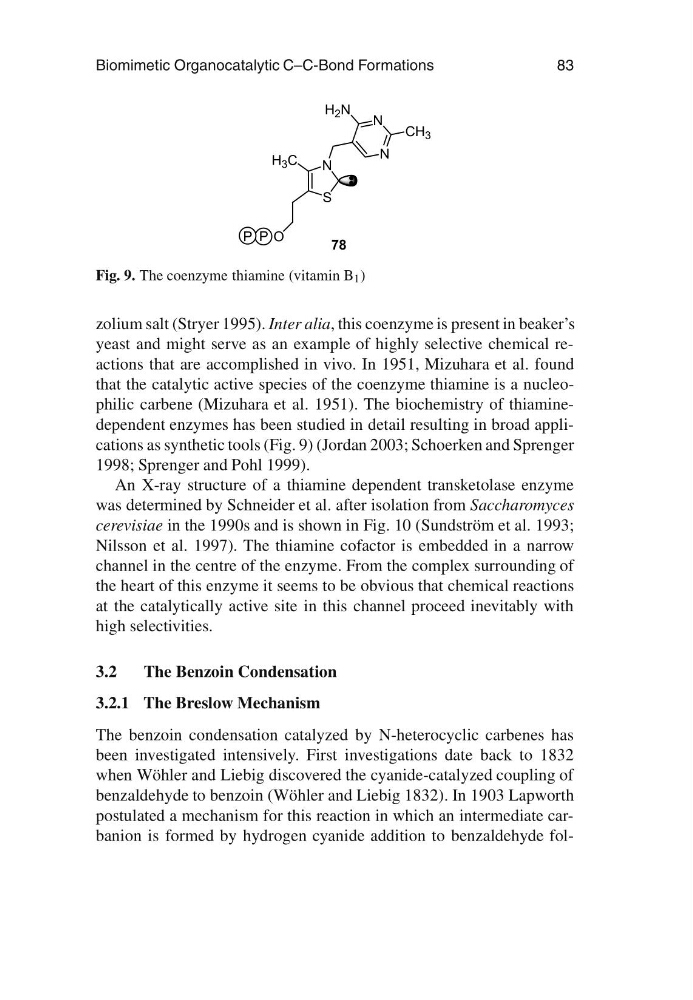
Fig. 9. The coenzyme thiamine (vitamin B 1 )
zolium salt (Stryer 1995). Inter alia, this coenzyme is present in beaker’s
yeast and might serve as an example of highly selective chemical reactions that are accomplished in vivo. In 1951, Mizuhara et al. found
that the catalytic active species of the coenzyme thiamine is a nucleophilic carbene (Mizuhara et al. 1951). The biochemistry of thiaminedependent enzymes has been studied in detail resulting in broad applications as synthetic tools (Fig. 9) (Jordan 2003; Schoerken and Sprenger
1998; Sprenger and Pohl 1999).
An X-ray structure of a thiamine dependent transketolase enzyme
was determined by Schneider et al. after isolation from Saccharomyces
cerevisiae in the 1990s and is shown in Fig. 10 (Sundström et al. 1993;
Nilsson et al. 1997). The thiamine cofactor is embedded in a narrow
channel in the centre of the enzyme. From the complex surrounding of
the heart of this enzyme it seems to be obvious that chemical reactions
at the catalytically active site in this channel proceed inevitably with
high selectivities.
3.2
The Benzoin Condensation
3.2.1 The Breslow Mechanism
The benzoin condensation catalyzed by N-heterocyclic carbenes has
been investigated intensively. First investigations date back to 1832
when Wöhler and Liebig discovered the cyanide-catalyzed coupling of
benzaldehyde to benzoin (Wöhler and Liebig 1832). In 1903 Lapworth
postulated a mechanism for this reaction in which an intermediate carbanion is formed by hydrogen cyanide addition to benzaldehyde fol-
83
Fig. 9. The coenzyme thiamine (vitamin B 1 )
zolium salt (Stryer 1995). Inter alia, this coenzyme is present in beaker’s
yeast and might serve as an example of highly selective chemical reactions that are accomplished in vivo. In 1951, Mizuhara et al. found
that the catalytic active species of the coenzyme thiamine is a nucleophilic carbene (Mizuhara et al. 1951). The biochemistry of thiaminedependent enzymes has been studied in detail resulting in broad applications as synthetic tools (Fig. 9) (Jordan 2003; Schoerken and Sprenger
1998; Sprenger and Pohl 1999).
An X-ray structure of a thiamine dependent transketolase enzyme
was determined by Schneider et al. after isolation from Saccharomyces
cerevisiae in the 1990s and is shown in Fig. 10 (Sundström et al. 1993;
Nilsson et al. 1997). The thiamine cofactor is embedded in a narrow
channel in the centre of the enzyme. From the complex surrounding of
the heart of this enzyme it seems to be obvious that chemical reactions
at the catalytically active site in this channel proceed inevitably with
high selectivities.
3.2
The Benzoin Condensation
3.2.1 The Breslow Mechanism
The benzoin condensation catalyzed by N-heterocyclic carbenes has
been investigated intensively. First investigations date back to 1832
when Wöhler and Liebig discovered the cyanide-catalyzed coupling of
benzaldehyde to benzoin (Wöhler and Liebig 1832). In 1903 Lapworth
postulated a mechanism for this reaction in which an intermediate carbanion is formed by hydrogen cyanide addition to benzaldehyde fol-