

306
Oxidation
Column
Electric
furnace
Catalyst
Sample injection
Water
trap
Back flush
stopper
Drier
Bubbler
C. Minero . E. Pelizzetti . M.R. Preston
Ascarite
Flow controler
Timer
Temperature contolier
Infrared gas
analyser
Recorder
Integrator
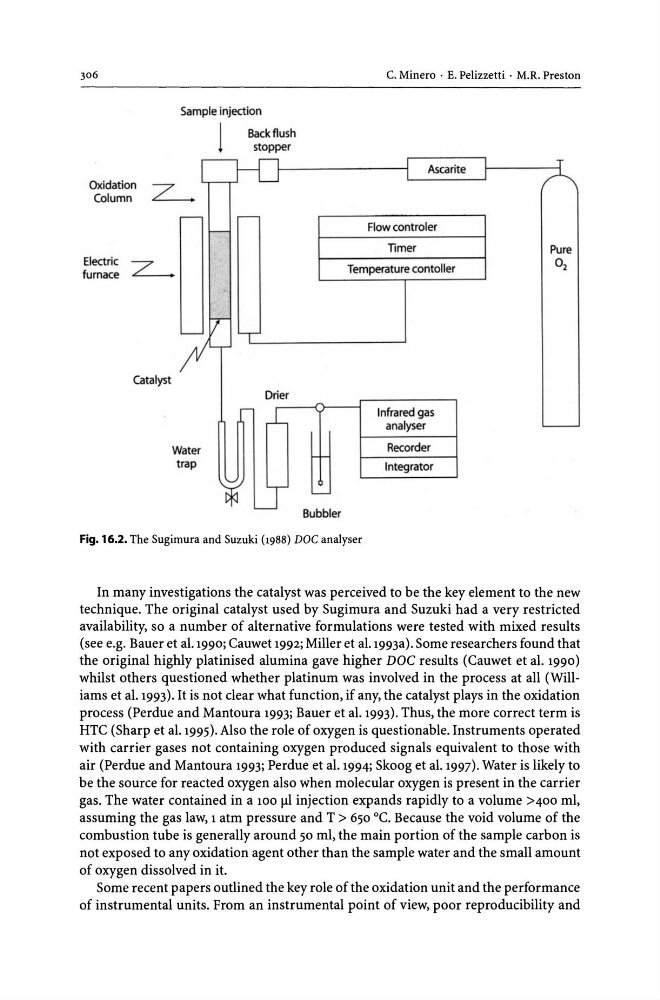
Fig. 16.2. The Sugimura and Suzuki (1988 ) DOC analyser
In many investigations the catalyst was perceived to be the key element to the new
technique. The original catalyst used by Sugimura and Suzuki had a very restricted
availability, so a number of alternative formulations were tested with mixed results
(see e.g. Bauer et al. 1990; Cauwet 1992; Miller et al.1993a). Some researchers found that
the original highly platinised alumina gave higher DOC results (Cauwet et al. 1990)
whilst others questioned whether platinum was involved in the process at all (Williams et al. 1993). It is not clear what function, if any, the catalyst plays in the oxidation
process (Perdue and Mantoura 1993; Bauer et al. 1993). Thus, the more correct term is
HTC (Sharp et al. 1995). Also the role of oxygen is questionable. Instruments operated
with carrier gases not containing oxygen produced signals equivalent to those with
air (Perdue and Mantoura 1993; Perdue et al. 1994; Skoog et al. 1997). Water is likely to
be the source for reacted oxygen also when molecular oxygen is present in the carrier
gas. The water contained in a 100 III injection expands rapidly to a volume >400 ml,
assuming the gas law, 1 atm pressure and T > 650°C. Because the void volume of the
combustion tube is generally around 50 ml, the main portion of the sample carbon is
not exposed to any oxidation agent other than the sample water and the small amount
of oxygen dissolved in it.
Some recent papers outlined the key role of the oxidation unit and the performance
of instrumental units. From an instrumental point of view, poor reproducibility and
Oxidation
Column
Electric
furnace
Catalyst
Sample injection
Water
trap
Back flush
stopper
Drier
Bubbler
C. Minero . E. Pelizzetti . M.R. Preston
Ascarite
Flow controler
Timer
Temperature contolier
Infrared gas
analyser
Recorder
Integrator
Fig. 16.2. The Sugimura and Suzuki (1988 ) DOC analyser
In many investigations the catalyst was perceived to be the key element to the new
technique. The original catalyst used by Sugimura and Suzuki had a very restricted
availability, so a number of alternative formulations were tested with mixed results
(see e.g. Bauer et al. 1990; Cauwet 1992; Miller et al.1993a). Some researchers found that
the original highly platinised alumina gave higher DOC results (Cauwet et al. 1990)
whilst others questioned whether platinum was involved in the process at all (Williams et al. 1993). It is not clear what function, if any, the catalyst plays in the oxidation
process (Perdue and Mantoura 1993; Bauer et al. 1993). Thus, the more correct term is
HTC (Sharp et al. 1995). Also the role of oxygen is questionable. Instruments operated
with carrier gases not containing oxygen produced signals equivalent to those with
air (Perdue and Mantoura 1993; Perdue et al. 1994; Skoog et al. 1997). Water is likely to
be the source for reacted oxygen also when molecular oxygen is present in the carrier
gas. The water contained in a 100 III injection expands rapidly to a volume >400 ml,
assuming the gas law, 1 atm pressure and T > 650°C. Because the void volume of the
combustion tube is generally around 50 ml, the main portion of the sample carbon is
not exposed to any oxidation agent other than the sample water and the small amount
of oxygen dissolved in it.
Some recent papers outlined the key role of the oxidation unit and the performance
of instrumental units. From an instrumental point of view, poor reproducibility and