

142
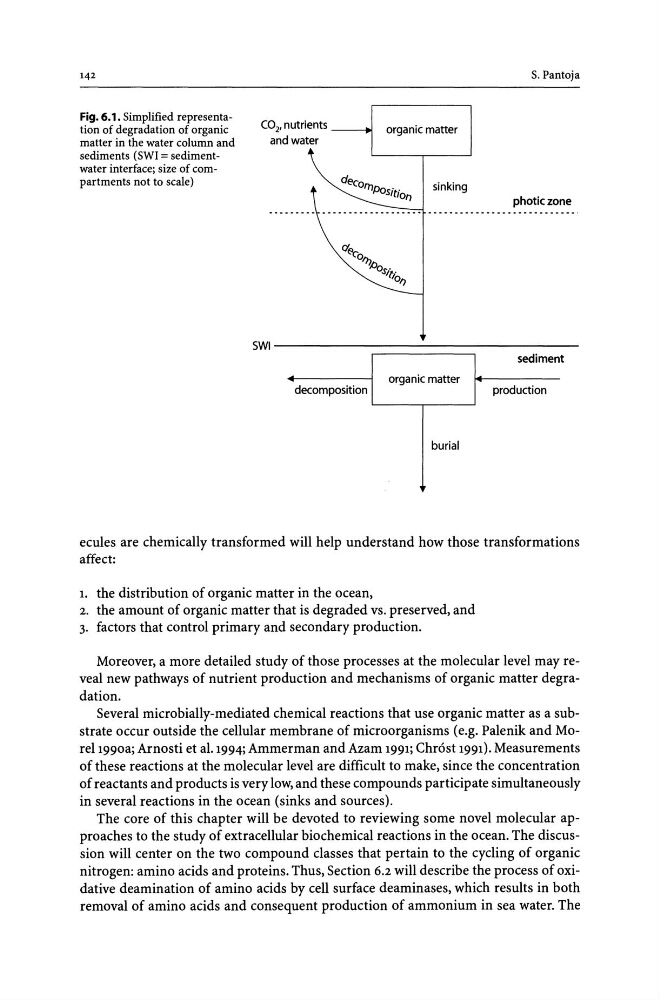
Fig. 6.1. Simplified representation of degradation of organic
matter in the water column and
sediments (SWI = sedimentwater interface; size of compartments not to scale)
CO 2 , nutrients
and water
S. Pantoja
organic matter
sinking
photic zone
SWI--------~========~----~~ sediment
decomposition
organic matter
production
burial
ecules are chemically transformed will help understand how those transformations
affect:
1. the distribution of organic matter in the ocean,
2. the amount of organic matter that is degraded vs. preserved, and
3. factors that control primary and secondary production.
Moreover, a more detailed study of those processes at the molecular level may reveal new pathways of nutrient production and mechanisms of organic matter degradation.
Several microbially-mediated chemical reactions that use organic matter as a substrate occur outside the cellular membrane of microorganisms (e.g. Palenik and Morei 1990a; Arnosti et al. 1994; Ammerman and Azam 1991; Chr6st 1991). Measurements
of these reactions at the molecular level are difficult to make, since the concentration
of reactants and products is very low, and these compounds participate simultaneously
in several reactions in the ocean (sinks and sources).
The core of this chapter will be devoted to reviewing some novel molecular approaches to the study of extracellular biochemical reactions in the ocean. The discussion will center on the two compound classes that pertain to the cycling of organic
nitrogen: amino acids and proteins. Thus, Section 6.2 will describe the process of oxidative deamination of amino acids by cell surface deaminases, which results in both
removal of amino acids and consequent production of ammonium in sea water. The
Fig. 6.1. Simplified representation of degradation of organic
matter in the water column and
sediments (SWI = sedimentwater interface; size of compartments not to scale)
CO 2 , nutrients
and water
S. Pantoja
organic matter
sinking
photic zone
SWI--------~========~----~~ sediment
decomposition
organic matter
production
burial
ecules are chemically transformed will help understand how those transformations
affect:
1. the distribution of organic matter in the ocean,
2. the amount of organic matter that is degraded vs. preserved, and
3. factors that control primary and secondary production.
Moreover, a more detailed study of those processes at the molecular level may reveal new pathways of nutrient production and mechanisms of organic matter degradation.
Several microbially-mediated chemical reactions that use organic matter as a substrate occur outside the cellular membrane of microorganisms (e.g. Palenik and Morei 1990a; Arnosti et al. 1994; Ammerman and Azam 1991; Chr6st 1991). Measurements
of these reactions at the molecular level are difficult to make, since the concentration
of reactants and products is very low, and these compounds participate simultaneously
in several reactions in the ocean (sinks and sources).
The core of this chapter will be devoted to reviewing some novel molecular approaches to the study of extracellular biochemical reactions in the ocean. The discussion will center on the two compound classes that pertain to the cycling of organic
nitrogen: amino acids and proteins. Thus, Section 6.2 will describe the process of oxidative deamination of amino acids by cell surface deaminases, which results in both
removal of amino acids and consequent production of ammonium in sea water. The