

CHAPTER 4 . Sedimentary Organic Matter Preservation and Atmospheric O2 Regulation
117
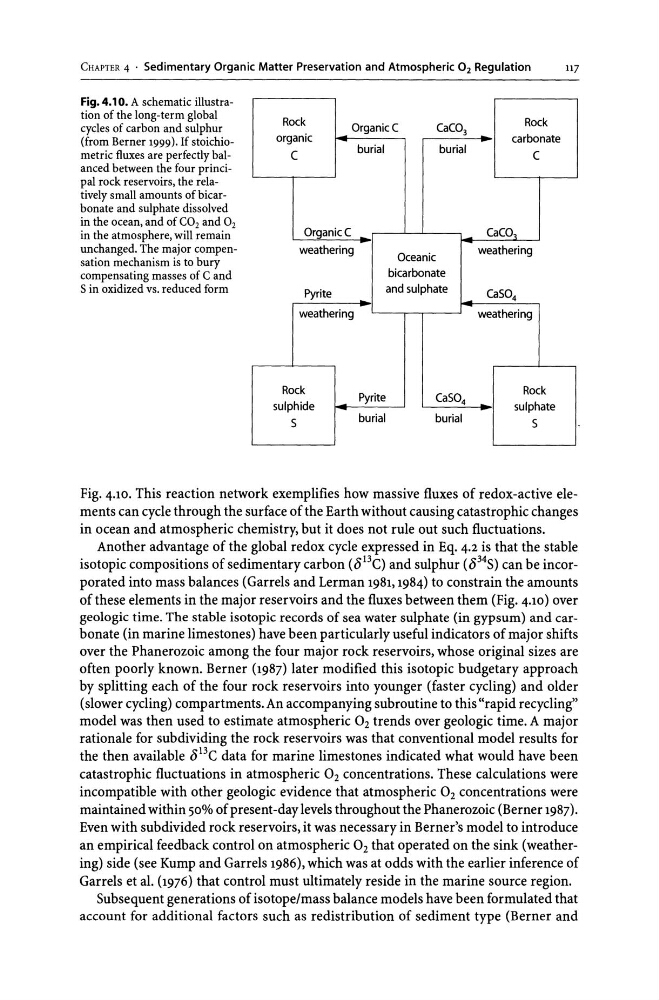
Fig. 4.1 O. A schematic illustration of the long-term global
cycles of carbon and sulphur
(from Berner 1999). If stoichiometric fluxes are perfectly balanced between the four principal rock reservoirs, the relatively small amounts of bicarbonate and sulphate dissolved
in tiIe ocean, and of CO2 and O2
in the atmosphere, will remain
unchanged. The major compensation mechanism is to bury
compensating masses of C and
S in oxidized vs. reduced form
Rock
OrganicC
CaC0 3
organic
C
burial
burial
OrganicC
weathering
Oceanic
bicarbonate
Pyrite
and sulphate
weathering
Rock
Pyrite
CaS0 4
sulphide
5
burial
burial
Rock
carbonate
C
CaCO,
weathering
CaS0 4
weathering
Rock
sulphate
5
Fig. 4.10. This reaction network exemplifies how massive fluxes of redox-active elements can cycle through the surface of the Earth without causing catastrophic changes
in ocean and atmospheric chemistry, but it does not rule out such fluctuations.
Another advantage of the global redox cycle expressed in Eq. 4.2 is that the stable
isotopic compositions of sedimentary carbon (8l3C) and sulphur (8 34 S) can be incorporated into mass balances (Garrels and Lerman 1981,1984) to constrain the amounts
of these elements in the major reservoirs and the fluxes between them (Fig. 4.10) over
geologic time. The stable isotopic records of sea water sulphate (in gypsum) and carbonate (in marine limestones) have been particularly useful indicators of major shifts
over the Phanerozoic among the four major rock reservoirs, whose original sizes are
often poorly known. Berner (1987) later modified this isotopic budgetary approach
by splitting each of the four rock reservoirs into younger (faster cycling) and older
(slower cycling) compartments. An accompanying subroutine to this "rapid recycling"
model was then used to estimate atmospheric O2 trends over geologic time. A major
rationale for subdividing the rock reservoirs was that conventional model results for
the then available 8l3e data for marine limestones indicated what would have been
catastrophic fluctuations in atmospheric O2 concentrations. These calculations were
incompatible with other geologic evidence that atmospheric O 2 concentrations were
maintained within 50% of present-day levels throughout the Phanerozoic (Berner 1987).
Even with subdivided rock reservoirs, it was necessary in Berner's model to introduce
an empirical feedback control on atmospheric O 2 that operated on the sink (weathering) side (see Kump and Garrels 1986), which was at odds with the earlier inference of
Garrels et al. (1976) that control must ultimately reside in the marine source region.
Subsequent generations of isotope/mass balance models have been formulated that
account for additional factors such as redistribution of sediment type (Berner and
117
Fig. 4.1 O. A schematic illustration of the long-term global
cycles of carbon and sulphur
(from Berner 1999). If stoichiometric fluxes are perfectly balanced between the four principal rock reservoirs, the relatively small amounts of bicarbonate and sulphate dissolved
in tiIe ocean, and of CO2 and O2
in the atmosphere, will remain
unchanged. The major compensation mechanism is to bury
compensating masses of C and
S in oxidized vs. reduced form
Rock
OrganicC
CaC0 3
organic
C
burial
burial
OrganicC
weathering
Oceanic
bicarbonate
Pyrite
and sulphate
weathering
Rock
Pyrite
CaS0 4
sulphide
5
burial
burial
Rock
carbonate
C
CaCO,
weathering
CaS0 4
weathering
Rock
sulphate
5
Fig. 4.10. This reaction network exemplifies how massive fluxes of redox-active elements can cycle through the surface of the Earth without causing catastrophic changes
in ocean and atmospheric chemistry, but it does not rule out such fluctuations.
Another advantage of the global redox cycle expressed in Eq. 4.2 is that the stable
isotopic compositions of sedimentary carbon (8l3C) and sulphur (8 34 S) can be incorporated into mass balances (Garrels and Lerman 1981,1984) to constrain the amounts
of these elements in the major reservoirs and the fluxes between them (Fig. 4.10) over
geologic time. The stable isotopic records of sea water sulphate (in gypsum) and carbonate (in marine limestones) have been particularly useful indicators of major shifts
over the Phanerozoic among the four major rock reservoirs, whose original sizes are
often poorly known. Berner (1987) later modified this isotopic budgetary approach
by splitting each of the four rock reservoirs into younger (faster cycling) and older
(slower cycling) compartments. An accompanying subroutine to this "rapid recycling"
model was then used to estimate atmospheric O2 trends over geologic time. A major
rationale for subdividing the rock reservoirs was that conventional model results for
the then available 8l3e data for marine limestones indicated what would have been
catastrophic fluctuations in atmospheric O2 concentrations. These calculations were
incompatible with other geologic evidence that atmospheric O 2 concentrations were
maintained within 50% of present-day levels throughout the Phanerozoic (Berner 1987).
Even with subdivided rock reservoirs, it was necessary in Berner's model to introduce
an empirical feedback control on atmospheric O 2 that operated on the sink (weathering) side (see Kump and Garrels 1986), which was at odds with the earlier inference of
Garrels et al. (1976) that control must ultimately reside in the marine source region.
Subsequent generations of isotope/mass balance models have been formulated that
account for additional factors such as redistribution of sediment type (Berner and