

299
Chapter thirteen: Disease
13.4 Sea otters
13.4.1 Physiologic adaptation: Metabolism
Sea otters are one of the most recent mammals to have re-entered the marine environment,
and their physiological adaptations are different from cetaceans and pinnipeds. Instead
of relying on a thick, internalized blubber layer for insulation, sea otters prevent heat loss
through an air layer trapped against the skin by an exceptionally dense fur (Williams et al.
1992). As an otter dives, the air layer is compressed, which reduces the insulating quality
of fur at depth. This elevated thermal energetic cost, along with a Resting Metabolic Rate
three times the rates observed for terrestrial mammals of a similar size, results in large
food requirements of roughly 20%–25% of body mass in prey items per day (Costa and
Kooyman 1982; Yeates et al. 2007).
Sea otters consume a variety of marine invertebrates, including clams, mussels,
and snails. As they filter seawater or scrape biofilm off of kelp, these prey items may
collect and concentrate infectious oocysts (Lindsay et al. 2001). Ingestion of infectious
Sarcocystis neurona or Toxoplasma gondii oocysts may cause severe neurological signs
such as seizures, coma, and death in otters that consume the contaminated invertebrates (Thomas et al. 2007; Miller et al. 2010). Both protozoal diseases have terrestrial
definitive hosts: Sarcocystis neurona is spread by the opossum, while Toxoplasma gondii
is spread to sea otters mainly by cats (Conrad et al. 2005). Wetlands typically filter out
a large amount of these contaminants, and prevent them from entering the sea, but in
areas where wetlands have become degraded, high levels of protozoal cysts can enter
the water. Because sea otters have a relatively restricted territory, and live in kelp forests
close to the coast, these environmental changes, along with the otters’ unique physiology and increased metabolism, have made them susceptible to protozoal diseases as
they flow from land to sea.
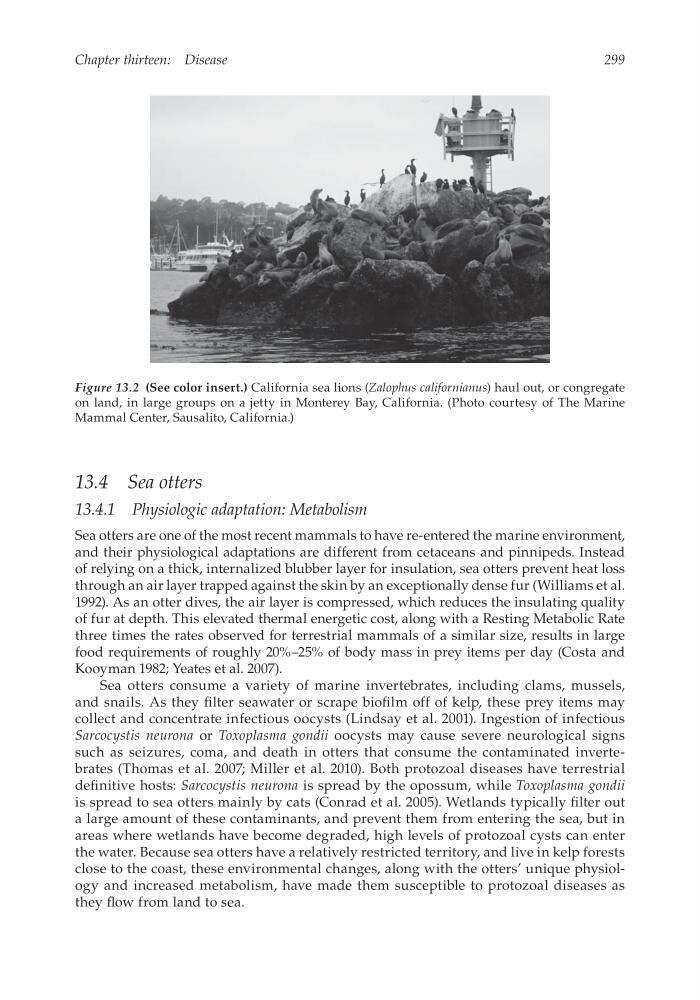
Figure 13.2 (See color insert.) California sea lions (Zalophus californianus) haul out, or congregate
on land, in large groups on a jetty in Monterey Bay, California. (Photo courtesy of The Marine
Mammal Center, Sausalito, California.)
Chapter thirteen: Disease
13.4 Sea otters
13.4.1 Physiologic adaptation: Metabolism
Sea otters are one of the most recent mammals to have re-entered the marine environment,
and their physiological adaptations are different from cetaceans and pinnipeds. Instead
of relying on a thick, internalized blubber layer for insulation, sea otters prevent heat loss
through an air layer trapped against the skin by an exceptionally dense fur (Williams et al.
1992). As an otter dives, the air layer is compressed, which reduces the insulating quality
of fur at depth. This elevated thermal energetic cost, along with a Resting Metabolic Rate
three times the rates observed for terrestrial mammals of a similar size, results in large
food requirements of roughly 20%–25% of body mass in prey items per day (Costa and
Kooyman 1982; Yeates et al. 2007).
Sea otters consume a variety of marine invertebrates, including clams, mussels,
and snails. As they filter seawater or scrape biofilm off of kelp, these prey items may
collect and concentrate infectious oocysts (Lindsay et al. 2001). Ingestion of infectious
Sarcocystis neurona or Toxoplasma gondii oocysts may cause severe neurological signs
such as seizures, coma, and death in otters that consume the contaminated invertebrates (Thomas et al. 2007; Miller et al. 2010). Both protozoal diseases have terrestrial
definitive hosts: Sarcocystis neurona is spread by the opossum, while Toxoplasma gondii
is spread to sea otters mainly by cats (Conrad et al. 2005). Wetlands typically filter out
a large amount of these contaminants, and prevent them from entering the sea, but in
areas where wetlands have become degraded, high levels of protozoal cysts can enter
the water. Because sea otters have a relatively restricted territory, and live in kelp forests
close to the coast, these environmental changes, along with the otters’ unique physiology and increased metabolism, have made them susceptible to protozoal diseases as
they flow from land to sea.
Figure 13.2 (See color insert.) California sea lions (Zalophus californianus) haul out, or congregate
on land, in large groups on a jetty in Monterey Bay, California. (Photo courtesy of The Marine
Mammal Center, Sausalito, California.)