

Deposition, Transformation, and Remobilization of Soot and Diesel
3
catalysts increasing the effectiveness of even low sulfur dioxide concentrations in
damaging building materials (Johansson et al., 1986). The higher concentrations of
oxides of nitrogen in the air can increase the amount of nitric acid deposited on
urban surfaces. It is extremely corrosive and traces of nitrate are found in rainwater
that drains from contemporary buildings. Furthermore, there is a noticeable change
in the microfl ora on buildings (see Warscheid and Braams, 2000 for a review of
causes). Sulfur dioxide is phytotoxic, so in atmospheres with less sulfur, plants (especially lichen) grow more effectively on buildings. When combined with the greater
rate of delivery of nitrate to buildings surfaces, which are usually poor in this nutrient, an increasing rate of biological attack is expected. Where lichens are growing an
oxalate layer often forms, although this can have a protective role.
The impacts of air pollution on architecture in the twenty-fi rst century derive
from a range of novel interactions. The increase in the number of diesel particles
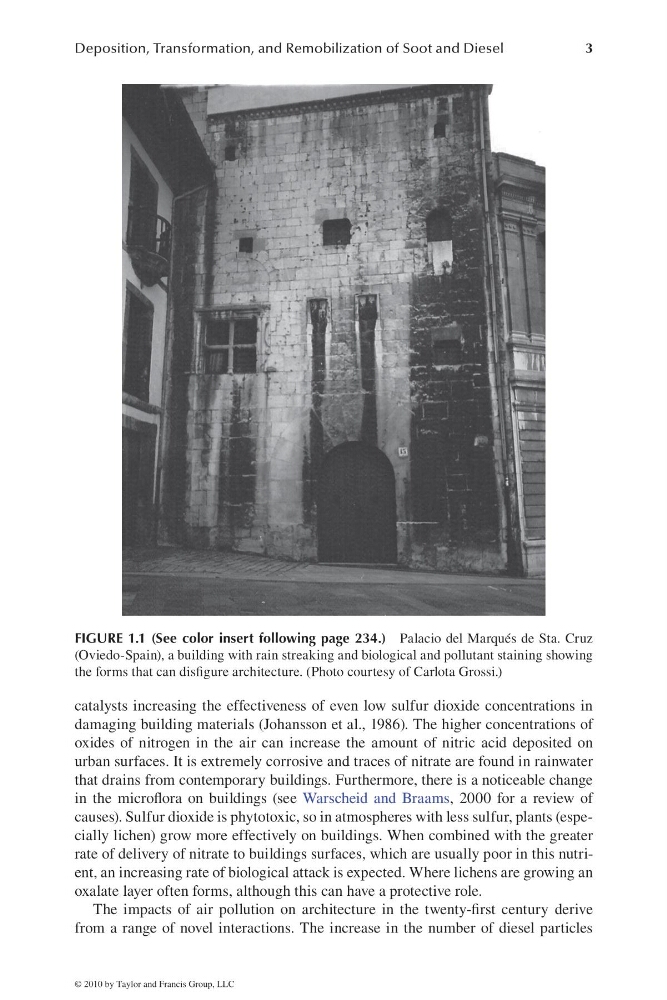
FIGURE 1.1 (See color insert following page 234.) Palacio del Marqués de Sta. Cruz
(Oviedo-Spain), a building with rain streaking and biological and pollutant staining showing
the forms that can disfi gure architecture. (Photo courtesy of Carlota Grossi.)
© 2010 by Taylor and Francis Group, LLC
3
catalysts increasing the effectiveness of even low sulfur dioxide concentrations in
damaging building materials (Johansson et al., 1986). The higher concentrations of
oxides of nitrogen in the air can increase the amount of nitric acid deposited on
urban surfaces. It is extremely corrosive and traces of nitrate are found in rainwater
that drains from contemporary buildings. Furthermore, there is a noticeable change
in the microfl ora on buildings (see Warscheid and Braams, 2000 for a review of
causes). Sulfur dioxide is phytotoxic, so in atmospheres with less sulfur, plants (especially lichen) grow more effectively on buildings. When combined with the greater
rate of delivery of nitrate to buildings surfaces, which are usually poor in this nutrient, an increasing rate of biological attack is expected. Where lichens are growing an
oxalate layer often forms, although this can have a protective role.
The impacts of air pollution on architecture in the twenty-fi rst century derive
from a range of novel interactions. The increase in the number of diesel particles
FIGURE 1.1 (See color insert following page 234.) Palacio del Marqués de Sta. Cruz
(Oviedo-Spain), a building with rain streaking and biological and pollutant staining showing
the forms that can disfi gure architecture. (Photo courtesy of Carlota Grossi.)
© 2010 by Taylor and Francis Group, LLC