

42
Richard H. Shimabukuro et al.
MALATHION
° ~ °
°
°
II
II
II
II
(CH30)2P-S-CH-C-OC2H5 - - - - - (CH30)2P-OH + (CH 3 0)2 P-SH
I
CH2-R- oC2 H5
°
MALAOXON
° II !
(CH 3 0)2 P-S-yH-COOH
+
CH 2 -C-OC 2 H5
II
°
°
II
(CH 3 0)2 P-S-yH-COOH
CH 2 -COOH
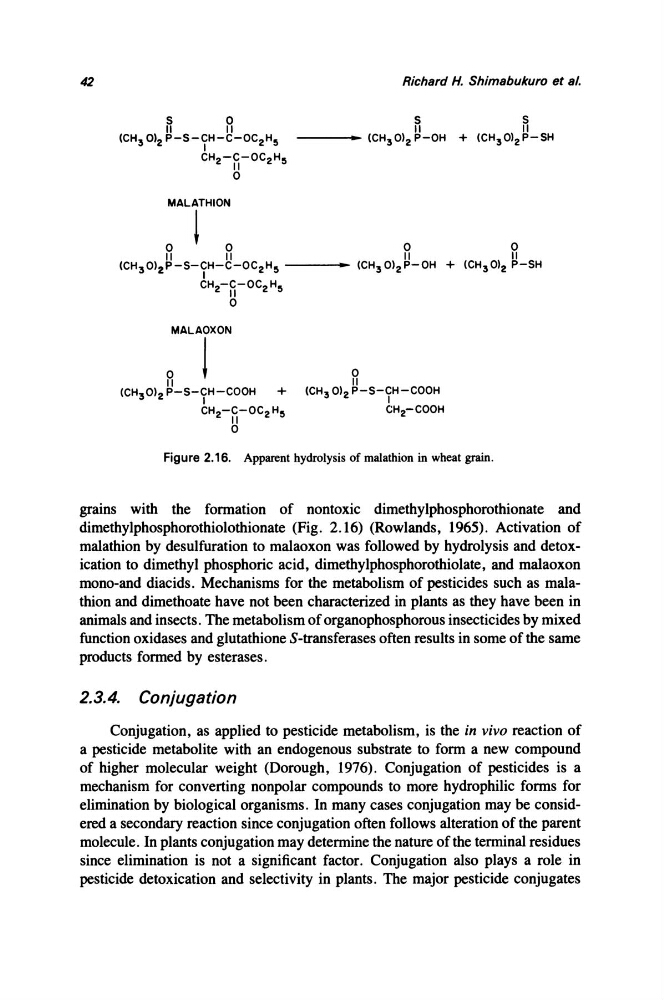
Figure 2.16. Apparent hydrolysis of malathion in wheat grain.
grains with the formation of nontoxic dimethylphosphorothionate and
dimethylphosphorothiolothionate (Fig. 2.16) (Rowlands, 1965). Activation of
malathion by desulfuration to malaoxon was followed by hydrolysis and detoxication to dimethyl phosphoric acid, dimethylphosphorothiolate, and malaoxon
mono-and diacids. Mechanisms for the metabolism of pesticides such as malathion and dimethoate have not been characterized in plants as they have been in
animals and insects. The metabolism of organophosphorous insecticides by mixed
function oxidases and glutathione S-transferases often results in some of the same
products formed by esterases.
2.3.4. Conjugation
Conjugation, as applied to pesticide metabolism, is the in vivo reaction of
a pesticide metabolite with an endogenous substrate to form a new compound
of higher molecular weight (Dorough, 1976). Conjugation of pesticides is a
mechanism for converting nonpolar compounds to more hydrophilic forms for
elimination by biological organisms. In many cases conjugation may be considered a secondary reaction since conjugation often follows alteration of the parent
molecule. In plants conjugation may determine the nature of the terminal residues
since elimination is not a significant factor. Conjugation also plays a role in
pesticide detoxication and selectivity in plants. The major pesticide conjugates
Richard H. Shimabukuro et al.
MALATHION
° ~ °
°
°
II
II
II
II
(CH30)2P-S-CH-C-OC2H5 - - - - - (CH30)2P-OH + (CH 3 0)2 P-SH
I
CH2-R- oC2 H5
°
MALAOXON
° II !
(CH 3 0)2 P-S-yH-COOH
+
CH 2 -C-OC 2 H5
II
°
°
II
(CH 3 0)2 P-S-yH-COOH
CH 2 -COOH
Figure 2.16. Apparent hydrolysis of malathion in wheat grain.
grains with the formation of nontoxic dimethylphosphorothionate and
dimethylphosphorothiolothionate (Fig. 2.16) (Rowlands, 1965). Activation of
malathion by desulfuration to malaoxon was followed by hydrolysis and detoxication to dimethyl phosphoric acid, dimethylphosphorothiolate, and malaoxon
mono-and diacids. Mechanisms for the metabolism of pesticides such as malathion and dimethoate have not been characterized in plants as they have been in
animals and insects. The metabolism of organophosphorous insecticides by mixed
function oxidases and glutathione S-transferases often results in some of the same
products formed by esterases.
2.3.4. Conjugation
Conjugation, as applied to pesticide metabolism, is the in vivo reaction of
a pesticide metabolite with an endogenous substrate to form a new compound
of higher molecular weight (Dorough, 1976). Conjugation of pesticides is a
mechanism for converting nonpolar compounds to more hydrophilic forms for
elimination by biological organisms. In many cases conjugation may be considered a secondary reaction since conjugation often follows alteration of the parent
molecule. In plants conjugation may determine the nature of the terminal residues
since elimination is not a significant factor. Conjugation also plays a role in
pesticide detoxication and selectivity in plants. The major pesticide conjugates