

166
A.C.A. da Costa
R - variable group
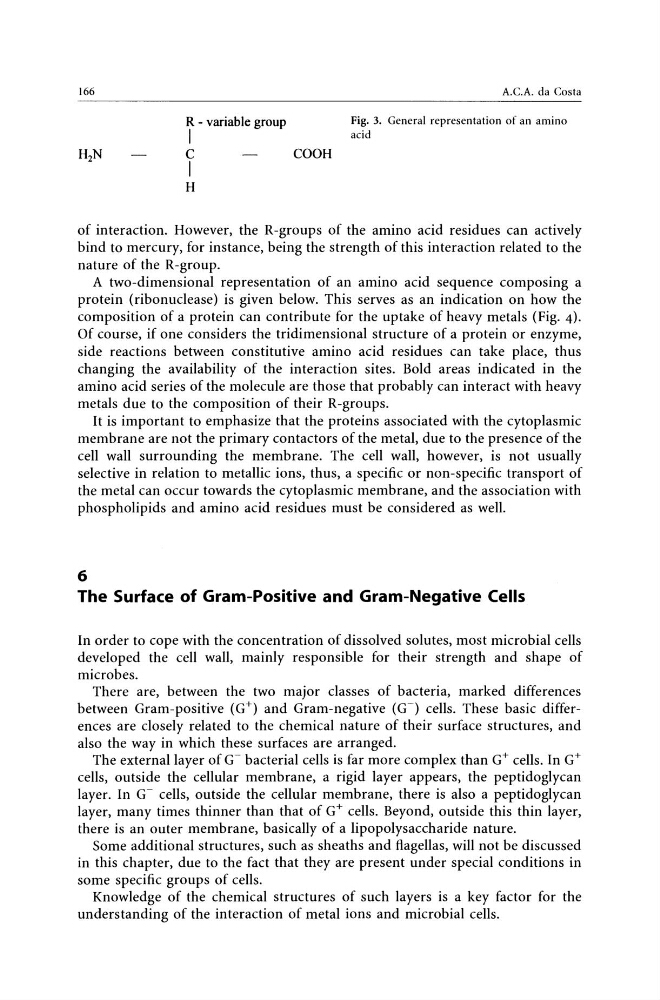
Fig. 3. General representation of an amino
I
acid
C
COOH
I
H
of interaction. However, the R-groups of the amino acid residues can actively
bind to mercury, for instance, being the strength of this interaction related to the
nature of the R-group.
A two-dimensional representation of an amino acid sequence composing a
protein (ribonuclease) is given below. This serves as an indication on how the
composition of a protein can contribute for the uptake of heavy metals (Fig. 4).
Of course, if one considers the tridimensional structure of a protein or enzyme,
side reactions between constitutive amino acid residues can take place, thus
changing the availability of the interaction sites. Bold areas indicated in the
amino acid series of the molecule are those that probably can interact with heavy
metals due to the composition of their R-groups.
It is important to emphasize that the proteins associated with the cytoplasmic
membrane are not the primary contactors of the metal, due to the presence of the
cell wall surrounding the membrane. The cell wall, however, is not usually
selective in relation to metallic ions, thus, a specific or non-specific transport of
the metal can occur towards the cytoplasmic membrane, and the association with
phospholipids and amino acid residues must be considered as well.
6
The Surface of Gram-Positive and Gram-Negative Cells
In order to cope with the concentration of dissolved solutes, most microbial cells
developed the cell wall, mainly responsible for their strength and shape of
microbes.
There are, between the two major classes of bacteria, marked differences
between Gram-positive (G+) and Gram-negative (G-) cells. These basic differences are closely related to the chemical nature of their surface structures, and
also the way in which these surfaces are arranged.
The external layer of G- bacterial cells is far more complex than G+ cells. In G+
cells, outside the cellular membrane, a rigid layer appears, the peptidoglycan
layer. In G- cells, outside the cellular membrane, there is also a peptidoglycan
layer, many times thinner than that of G+ cells. Beyond, outside this thin layer,
there is an outer membrane, basically of a lipopolysaccharide nature.
Some additional structures, such as sheaths and flagellas, will not be discussed
in this chapter, due to the fact that they are present under special conditions in
some specific groups of cells.
Knowledge of the chemical structures of such layers is a key factor for the
understanding of the interaction of metal ions and microbial cells.
A.C.A. da Costa
R - variable group
Fig. 3. General representation of an amino
I
acid
C
COOH
I
H
of interaction. However, the R-groups of the amino acid residues can actively
bind to mercury, for instance, being the strength of this interaction related to the
nature of the R-group.
A two-dimensional representation of an amino acid sequence composing a
protein (ribonuclease) is given below. This serves as an indication on how the
composition of a protein can contribute for the uptake of heavy metals (Fig. 4).
Of course, if one considers the tridimensional structure of a protein or enzyme,
side reactions between constitutive amino acid residues can take place, thus
changing the availability of the interaction sites. Bold areas indicated in the
amino acid series of the molecule are those that probably can interact with heavy
metals due to the composition of their R-groups.
It is important to emphasize that the proteins associated with the cytoplasmic
membrane are not the primary contactors of the metal, due to the presence of the
cell wall surrounding the membrane. The cell wall, however, is not usually
selective in relation to metallic ions, thus, a specific or non-specific transport of
the metal can occur towards the cytoplasmic membrane, and the association with
phospholipids and amino acid residues must be considered as well.
6
The Surface of Gram-Positive and Gram-Negative Cells
In order to cope with the concentration of dissolved solutes, most microbial cells
developed the cell wall, mainly responsible for their strength and shape of
microbes.
There are, between the two major classes of bacteria, marked differences
between Gram-positive (G+) and Gram-negative (G-) cells. These basic differences are closely related to the chemical nature of their surface structures, and
also the way in which these surfaces are arranged.
The external layer of G- bacterial cells is far more complex than G+ cells. In G+
cells, outside the cellular membrane, a rigid layer appears, the peptidoglycan
layer. In G- cells, outside the cellular membrane, there is also a peptidoglycan
layer, many times thinner than that of G+ cells. Beyond, outside this thin layer,
there is an outer membrane, basically of a lipopolysaccharide nature.
Some additional structures, such as sheaths and flagellas, will not be discussed
in this chapter, due to the fact that they are present under special conditions in
some specific groups of cells.
Knowledge of the chemical structures of such layers is a key factor for the
understanding of the interaction of metal ions and microbial cells.