

00
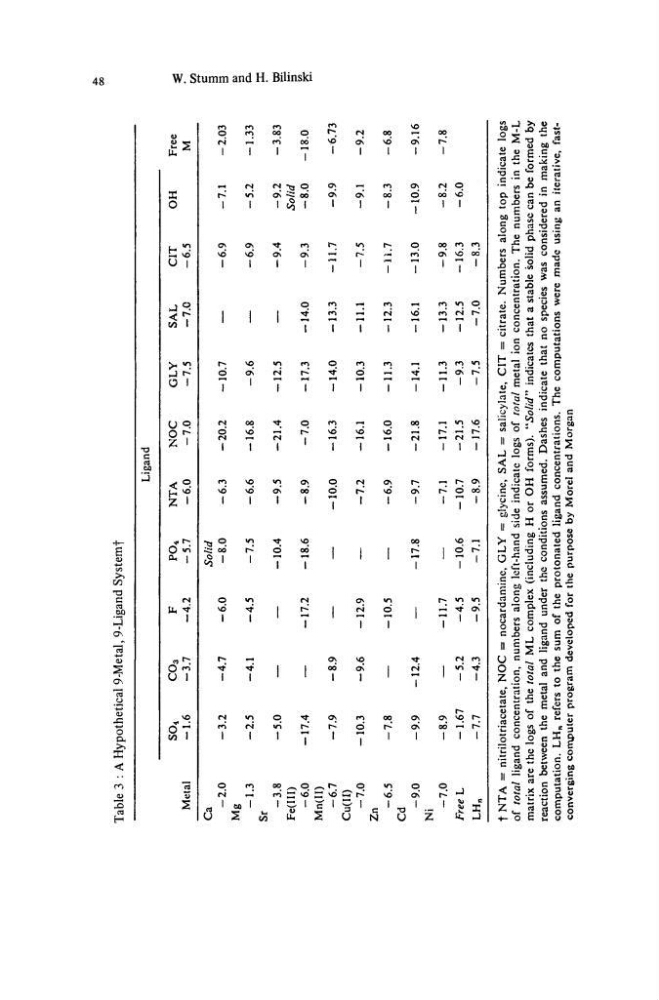
Table 3 : A Hypothetical 9-Metal, 9-Ligand Systemf
Metal
Ca
- 2 . 0
Mg
-1.3
Sr
-3.8
Fe(111)
- 6 . 0
Mn(II)
-6.7
Cu(ll)
- 7 . 0
Zn
-6.5
Cd
-9.0
Ni
-7.0
Free L
LH
n
SO*
- 1 . 6
- 3 . 2
- 2 . 5
- 5 . 0
-17.4
- 7 . 9
-10.3
-7.8
-9.9
-8.9
-1.67
-7.7
co
3
-3.7
- 4 . 7
-4.1
—
—
-8.9
- 9 . 6
—
-12.4
—
- 5 . 2
-4.3
F
- 4 . 2
- 6 . 0
- 4 . 5
—
-17.2
—
-12.9
-10.5
—
-11.7
-4.5
-9.5
PO
4
-5.7
Solid
- 8 . 0
- 7 . 5
-10.4
-18.6
—
—
—
-17.8
—
-10.6
-7.1
Ligand
NTA
- 6 . 0
- 6 . 3
- 6 . 6
- 9 . 5
- 8 . 9
-10.0
- 7 . 2
- 6 . 9
-9.7
-7.1
-10.7
-8.9
NOC
- 7 . 0
-20.2
-16.8
-21.4
- 7 . 0
-16.3
-16.1
-16.0
-21.8
-17.1
-21.5
-17.6
GLY
-7.5
-10.7
- 9 . 6
-12.5
-17.3
-14.0
-10.3
-11.3
-14.1
-11.3
- 9 . 3
- 7 . 5
SAL
- 7 . 0
—
—
—
-14.0
-13.3
-11.1
-12.3
-16.1
-13.3
-12.5
- 7 . 0
CIT
- 6 . 5
- 6 . 9
- 6 . 9
- 9 . 4
- 9 . 3
-11.7
- 7 . 5
-11.7
-13.0
- 9 . 8
-16.3
- 8 . 3
OH
-7.1
- 5 . 2
- 9 . 2
Solid
- 8 . 0
-9.9
-9.1
- 8 . 3
-10.9
- 8 . 2
- 6 . 0
Free
M
-2.03
-1.33
-3.83
-18.0
-6.73
- 9 . 2
-6.8
-9.16
-7.8
t NTA = nitrilotriacetate, NOC = nocardaminc, GLY = glycine, SAL = salicylate, CIT = citrate. Numbers along top indicate logs
of total ligand concentration, numbers along left-hand side indicate logs of total metal ion concentration. The numbers in the M-L
matrix are the logs of the total ML complex (including H or OH forms).
"Solid" indicates that a stable solid phase can be formed by
reaction between the metal and ligand under the conditions assumed. Dashes indicate that no species was considered in making the
computation. LH
n refers to the sum of the protonated ligand concentrations. The computations were made using an iterative, fastconverging computer program developed for the purpose by Morel and Morgan
Trace Metals in Natural Waters
Table 3 : A Hypothetical 9-Metal, 9-Ligand Systemf
Metal
Ca
- 2 . 0
Mg
-1.3
Sr
-3.8
Fe(111)
- 6 . 0
Mn(II)
-6.7
Cu(ll)
- 7 . 0
Zn
-6.5
Cd
-9.0
Ni
-7.0
Free L
LH
n
SO*
- 1 . 6
- 3 . 2
- 2 . 5
- 5 . 0
-17.4
- 7 . 9
-10.3
-7.8
-9.9
-8.9
-1.67
-7.7
co
3
-3.7
- 4 . 7
-4.1
—
—
-8.9
- 9 . 6
—
-12.4
—
- 5 . 2
-4.3
F
- 4 . 2
- 6 . 0
- 4 . 5
—
-17.2
—
-12.9
-10.5
—
-11.7
-4.5
-9.5
PO
4
-5.7
Solid
- 8 . 0
- 7 . 5
-10.4
-18.6
—
—
—
-17.8
—
-10.6
-7.1
Ligand
NTA
- 6 . 0
- 6 . 3
- 6 . 6
- 9 . 5
- 8 . 9
-10.0
- 7 . 2
- 6 . 9
-9.7
-7.1
-10.7
-8.9
NOC
- 7 . 0
-20.2
-16.8
-21.4
- 7 . 0
-16.3
-16.1
-16.0
-21.8
-17.1
-21.5
-17.6
GLY
-7.5
-10.7
- 9 . 6
-12.5
-17.3
-14.0
-10.3
-11.3
-14.1
-11.3
- 9 . 3
- 7 . 5
SAL
- 7 . 0
—
—
—
-14.0
-13.3
-11.1
-12.3
-16.1
-13.3
-12.5
- 7 . 0
CIT
- 6 . 5
- 6 . 9
- 6 . 9
- 9 . 4
- 9 . 3
-11.7
- 7 . 5
-11.7
-13.0
- 9 . 8
-16.3
- 8 . 3
OH
-7.1
- 5 . 2
- 9 . 2
Solid
- 8 . 0
-9.9
-9.1
- 8 . 3
-10.9
- 8 . 2
- 6 . 0
Free
M
-2.03
-1.33
-3.83
-18.0
-6.73
- 9 . 2
-6.8
-9.16
-7.8
t NTA = nitrilotriacetate, NOC = nocardaminc, GLY = glycine, SAL = salicylate, CIT = citrate. Numbers along top indicate logs
of total ligand concentration, numbers along left-hand side indicate logs of total metal ion concentration. The numbers in the M-L
matrix are the logs of the total ML complex (including H or OH forms).
"Solid" indicates that a stable solid phase can be formed by
reaction between the metal and ligand under the conditions assumed. Dashes indicate that no species was considered in making the
computation. LH
n refers to the sum of the protonated ligand concentrations. The computations were made using an iterative, fastconverging computer program developed for the purpose by Morel and Morgan
Trace Metals in Natural Waters