

The World of Coral Reefs
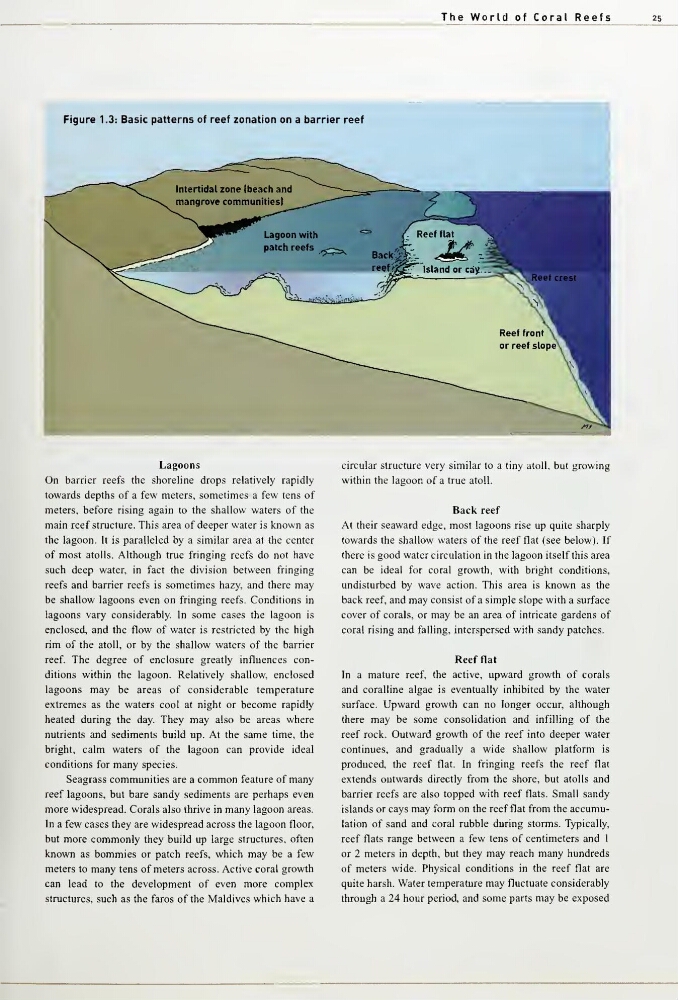
Figure 1.3: Basic patterns of reef zonation on a barrier reef
Lagoons
On barrier reefs the shoreline drops relatively rapidly
towards depths of a few meters, sometimes a few tens of
meters, before rising again to the shallow waters of the
main reef structure. This area of deeper water is known as
the lagoon. It is paralleled by a similar area at the center
of most atolls. Although true fringing reefs do not have
such deep water, in fact the division between fringing
reefs and barrier reefs is sometimes hazy, and there may
be shallow lagoons even on fringing reefs. Conditions in
lagoons vary considerably. In some cases the lagoon is
enclosed, and the flow of water is restricted by the high
rim of the atoll, or by the shallow waters of the barrier
reef The degree of enclosure greatly influences conditions within the lagoon. Relatively shallow, enclosed
lagoons may be areas of considerable temperature
extremes as the waters cool at night or become rapidly
heated during the day. They may also be areas where
nutrients and sediments build up. At the same time, the
bright, calm waters of the lagoon can provide ideal
conditions for many species.
Seagrass communities are a common feature of many
reef lagoons, but bare sandy sediments are perhaps even
more widespread. Corals also thrive in many lagoon areas.
In a few cases they are widespread across the lagoon floor,
but more commonly they build up large structures, often
known as bommies or patch reefs, which may be a few
meters to many tens of meters across. Active coral growth
can lead to the development of even more complex
structures, such as the faros of the Maldives which have a
circular structure very similar to a tiny atoll, but growing
within the lagoon of a true atoll.
Back reef
At their seaward edge, most lagoons rise up quite sharply
towards the shallow waters of the reef flat (see below). If
there is good water circulation in the lagoon itself this area
can be ideal for coral growth, with bright conditions,
undisturbed by wave action. This area is known as the
back reef, and may consist of a simple slope with a surface
cover of corals, or may be an area of intricate gardens of
coral rising and falling, interspersed with sandy patches.
Reef flat
In a mature reef, the active, upward growth of corals
and coralline algae is eventually inhibited by the water
surface. Upward growth can no longer occur, although
there may be some consolidation and infilling of the
reef rock. Outward growth of the reef into deeper water
continues, and gradually a wide shallow platform is
produced, the reef flat. In fringing reefs the reef flat
extends outwards directly from the shore, but atolls and
barrier reefs are also topped with reef flats. Small sandy
islands or cays may form on the reef flat from the accumulation of sand and coral rubble during storms. Typically,
reef flats range between a few tens of centimeters and I
or 2 meters in depth, but they may reach many hundreds
of meters wide. Physical conditions in the reef flat are
quite harsh. Water temperature may fluctuate considerably
through a 24 hour period, and some parts may be exposed
Figure 1.3: Basic patterns of reef zonation on a barrier reef
Lagoons
On barrier reefs the shoreline drops relatively rapidly
towards depths of a few meters, sometimes a few tens of
meters, before rising again to the shallow waters of the
main reef structure. This area of deeper water is known as
the lagoon. It is paralleled by a similar area at the center
of most atolls. Although true fringing reefs do not have
such deep water, in fact the division between fringing
reefs and barrier reefs is sometimes hazy, and there may
be shallow lagoons even on fringing reefs. Conditions in
lagoons vary considerably. In some cases the lagoon is
enclosed, and the flow of water is restricted by the high
rim of the atoll, or by the shallow waters of the barrier
reef The degree of enclosure greatly influences conditions within the lagoon. Relatively shallow, enclosed
lagoons may be areas of considerable temperature
extremes as the waters cool at night or become rapidly
heated during the day. They may also be areas where
nutrients and sediments build up. At the same time, the
bright, calm waters of the lagoon can provide ideal
conditions for many species.
Seagrass communities are a common feature of many
reef lagoons, but bare sandy sediments are perhaps even
more widespread. Corals also thrive in many lagoon areas.
In a few cases they are widespread across the lagoon floor,
but more commonly they build up large structures, often
known as bommies or patch reefs, which may be a few
meters to many tens of meters across. Active coral growth
can lead to the development of even more complex
structures, such as the faros of the Maldives which have a
circular structure very similar to a tiny atoll, but growing
within the lagoon of a true atoll.
Back reef
At their seaward edge, most lagoons rise up quite sharply
towards the shallow waters of the reef flat (see below). If
there is good water circulation in the lagoon itself this area
can be ideal for coral growth, with bright conditions,
undisturbed by wave action. This area is known as the
back reef, and may consist of a simple slope with a surface
cover of corals, or may be an area of intricate gardens of
coral rising and falling, interspersed with sandy patches.
Reef flat
In a mature reef, the active, upward growth of corals
and coralline algae is eventually inhibited by the water
surface. Upward growth can no longer occur, although
there may be some consolidation and infilling of the
reef rock. Outward growth of the reef into deeper water
continues, and gradually a wide shallow platform is
produced, the reef flat. In fringing reefs the reef flat
extends outwards directly from the shore, but atolls and
barrier reefs are also topped with reef flats. Small sandy
islands or cays may form on the reef flat from the accumulation of sand and coral rubble during storms. Typically,
reef flats range between a few tens of centimeters and I
or 2 meters in depth, but they may reach many hundreds
of meters wide. Physical conditions in the reef flat are
quite harsh. Water temperature may fluctuate considerably
through a 24 hour period, and some parts may be exposed