

cytotoxicity toward cancer cells). Examples of chemotherapeutic agents include
alkylating agents, metabolic antagonists, antibiotics, plant-derived alkaloids, and
other natural substances and hormones. Examination of the relevant literature shows
reports of natural anticancer agents isolated from marine organisms, including
didemnin B (A), dolastatin (B), and cyanosafracin B (C). Perhaps the most notable
example of pharmacological effects from marine organism-derived bioactive substances is antitumor activity. Examples of bioactive substances isolated and refined
from marine animals include pateamine A (D), psammaplin A (E), haterumainide
(F), neoamphimidine (G), and smenospongorine (H) (Fig. 10.17) (Shin 2013).
10.3.3.1 Substances with Antibiotic Bioactivity Properties
As a rule, antibiotics are used to treat and prevent bacterial infection. The category
typically includes antibacterial and antifungal agents, which are classified according
to similarities in antibiotic mechanism, scope, and structure. Natural antibiotics are
chemicals produced by microorganisms such as bacteria and fungi, which allow
them to inhibit the growth of or kill germs.
Around 100 species are currently used to treat infection. The first of the natural
antibiotics to be discovered was benzylpenicillin, while other examples include
streptomycin, chloramphenicol, tetracycline antibiotics, and macrolide antibiotics.
Among the bioactive marine substances found to have strong antibiotic properties
are flexibilide (A), sinulariolide (B), indolequinone (C), ascochytatin (D), isoaptamine (E), and batzelladine L (F) (Fig. 10.18).
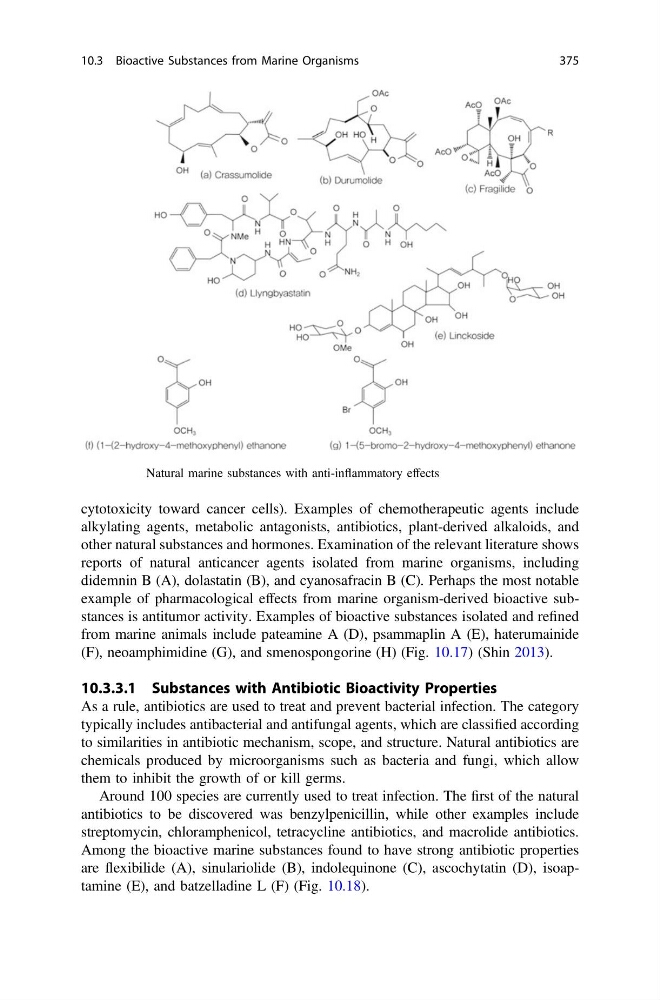
Fig. 10.16 Natural marine substances with anti-inflammatory effects
10.3 Bioactive Substances from Marine Organisms
375
alkylating agents, metabolic antagonists, antibiotics, plant-derived alkaloids, and
other natural substances and hormones. Examination of the relevant literature shows
reports of natural anticancer agents isolated from marine organisms, including
didemnin B (A), dolastatin (B), and cyanosafracin B (C). Perhaps the most notable
example of pharmacological effects from marine organism-derived bioactive substances is antitumor activity. Examples of bioactive substances isolated and refined
from marine animals include pateamine A (D), psammaplin A (E), haterumainide
(F), neoamphimidine (G), and smenospongorine (H) (Fig. 10.17) (Shin 2013).
10.3.3.1 Substances with Antibiotic Bioactivity Properties
As a rule, antibiotics are used to treat and prevent bacterial infection. The category
typically includes antibacterial and antifungal agents, which are classified according
to similarities in antibiotic mechanism, scope, and structure. Natural antibiotics are
chemicals produced by microorganisms such as bacteria and fungi, which allow
them to inhibit the growth of or kill germs.
Around 100 species are currently used to treat infection. The first of the natural
antibiotics to be discovered was benzylpenicillin, while other examples include
streptomycin, chloramphenicol, tetracycline antibiotics, and macrolide antibiotics.
Among the bioactive marine substances found to have strong antibiotic properties
are flexibilide (A), sinulariolide (B), indolequinone (C), ascochytatin (D), isoaptamine (E), and batzelladine L (F) (Fig. 10.18).
Fig. 10.16 Natural marine substances with anti-inflammatory effects
10.3 Bioactive Substances from Marine Organisms
375