

Natural extracts also contain skin-friendly biomolecules that can be obtained
through bioprocessing. These can be described as functional biocosmetics that
emphasize prevention of skin aging and whitening effects. In contrast with the
chemical cosmetics used in beauty treatments, these functional products are known
as “cosmeceuticals,” a portmanteau of “cosmetics” and “pharmaceuticals.”
The seven main functions of cosmetics are skin moisturizing, antioxidation, UV
protection, wrinkle improvement, whitening, acne prevention, and hair growth and
scent effects. The recent emergence of edible nutricosmetics has broken down the
boundary between cosmetics and food. This shows that biocosmetics are expanding
into the domains of pharmaceuticals and food thanks to advancements in gene
manipulation, bioprocessing technology, and technology to explore useful natural
bioresources.
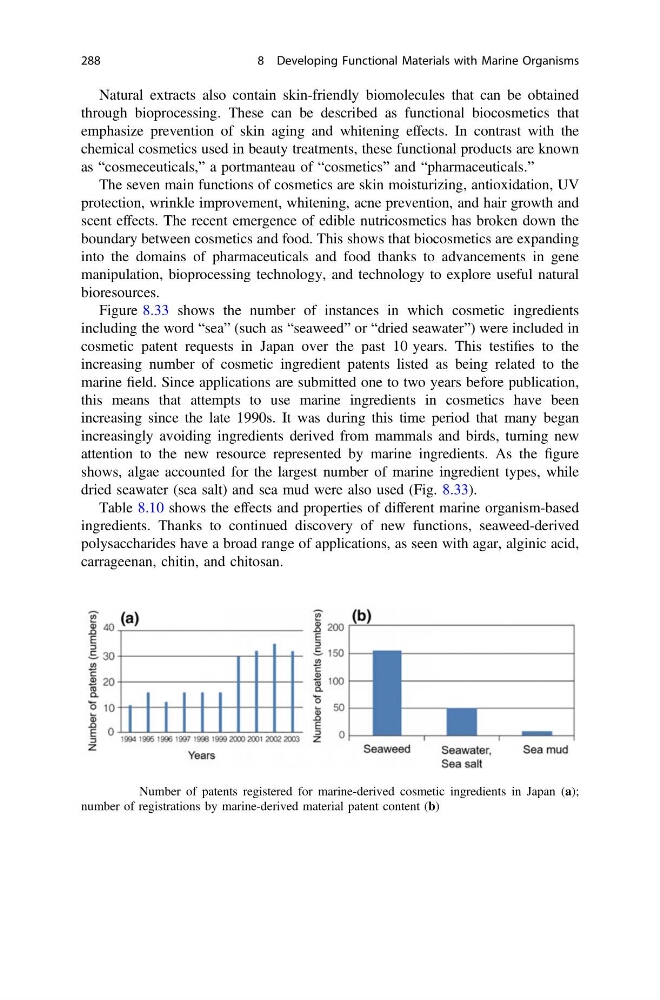
Figure 8.33 shows the number of instances in which cosmetic ingredients
including the word “sea” (such as “seaweed” or “dried seawater”) were included in
cosmetic patent requests in Japan over the past 10 years. This testifies to the
increasing number of cosmetic ingredient patents listed as being related to the
marine field. Since applications are submitted one to two years before publication,
this means that attempts to use marine ingredients in cosmetics have been
increasing since the late 1990s. It was during this time period that many began
increasingly avoiding ingredients derived from mammals and birds, turning new
attention to the new resource represented by marine ingredients. As the figure
shows, algae accounted for the largest number of marine ingredient types, while
dried seawater (sea salt) and sea mud were also used (Fig. 8.33).
Table 8.10 shows the effects and properties of different marine organism-based
ingredients. Thanks to continued discovery of new functions, seaweed-derived
polysaccharides have a broad range of applications, as seen with agar, alginic acid,
carrageenan, chitin, and chitosan.
Fig. 8.33 Number of patents registered for marine-derived cosmetic ingredients in Japan (a);
number of registrations by marine-derived material patent content (b)
288
8 Developing Functional Materials with Marine Organisms
through bioprocessing. These can be described as functional biocosmetics that
emphasize prevention of skin aging and whitening effects. In contrast with the
chemical cosmetics used in beauty treatments, these functional products are known
as “cosmeceuticals,” a portmanteau of “cosmetics” and “pharmaceuticals.”
The seven main functions of cosmetics are skin moisturizing, antioxidation, UV
protection, wrinkle improvement, whitening, acne prevention, and hair growth and
scent effects. The recent emergence of edible nutricosmetics has broken down the
boundary between cosmetics and food. This shows that biocosmetics are expanding
into the domains of pharmaceuticals and food thanks to advancements in gene
manipulation, bioprocessing technology, and technology to explore useful natural
bioresources.
Figure 8.33 shows the number of instances in which cosmetic ingredients
including the word “sea” (such as “seaweed” or “dried seawater”) were included in
cosmetic patent requests in Japan over the past 10 years. This testifies to the
increasing number of cosmetic ingredient patents listed as being related to the
marine field. Since applications are submitted one to two years before publication,
this means that attempts to use marine ingredients in cosmetics have been
increasing since the late 1990s. It was during this time period that many began
increasingly avoiding ingredients derived from mammals and birds, turning new
attention to the new resource represented by marine ingredients. As the figure
shows, algae accounted for the largest number of marine ingredient types, while
dried seawater (sea salt) and sea mud were also used (Fig. 8.33).
Table 8.10 shows the effects and properties of different marine organism-based
ingredients. Thanks to continued discovery of new functions, seaweed-derived
polysaccharides have a broad range of applications, as seen with agar, alginic acid,
carrageenan, chitin, and chitosan.
Fig. 8.33 Number of patents registered for marine-derived cosmetic ingredients in Japan (a);
number of registrations by marine-derived material patent content (b)
288
8 Developing Functional Materials with Marine Organisms