

The Great Barrier Reef
66
inorganic nitrogen (usually as ammonium or nitrate
ions) and phosphorus (as phosphate). They get these
compounds from the breakdown (waste) products of
animals that have consumed other organisms, or by the
breakdown of debris generated by predators (e.g. fish)
or scavengers (crabs, starfish) and use them to build
new organic molecules. A range of organisms are involved in these natural cycles with different types of
bacteria playing a dominant role in degradation. Huge
populations of bacteria inhabit the sediments associated with coral reefs, which provide the ideal microenvironment for processing these compounds. One of the
best known of these process pathways is the nitrogen
cycle (Fig. 7.4), in which organic material settles on the
surface of the sediments and is quickly buried by scavengers such as worms, molluscs and crustaceans.
In the upper few millimetres of the sediment, where
oxygen levels are relatively high, a diverse range of
microorganisms (bacteria like Vibrio, as well as many
actinomycetes and fungi) use proteinases to strip amine
groups off proteins and release ammonium ions (a
process called ‘ammonification’). Some ammonium
ions escape from the sediments into the water column
for use by photosynthetic organisms to build amino
acids and proteins. Some ammonium ions continue
down a pathway of ‘nitrification’, in which case the ammonium is oxidised to produce nitrate. This occurs
in the O 2 rich upper sediment layers by a set of bacteria
that must have oxygen to survive (Fig. 7.4). Some nitrate released by this process leaves the sediment also
for use by marine photosynthesisers: some stays in the
sediments and undergoes further denitrification. The
next step involves the conversion of nitrate to nitrite
that has to occur without oxygen and consequently
occurs within the sediments, below the upper oxygen
rich layers (first few millimetres). Here, oxygen levels
decrease to zero due to the lack of light and the abundance of metabolising fauna that cause the oxygen concentration to decrease. The processes of ammonium
oxidation and nitrate reduction are coupled. Aerobic nitrification sits adjacent to anaerobic denitrification (via
the sediment gradient in oxygen availability), which is
ideal for this coupling of the two processes together.
The eventual outcome is that nitrate is reduced to nitrite, and nitrite is denitrified to nitrous oxide (NO)
and/or nitrogen (N 2 ) gas that is lost to the atmosphere.
Before leaving the topic of the nitrogen cycle, it is important to consider where inorganic nitrogen and hence
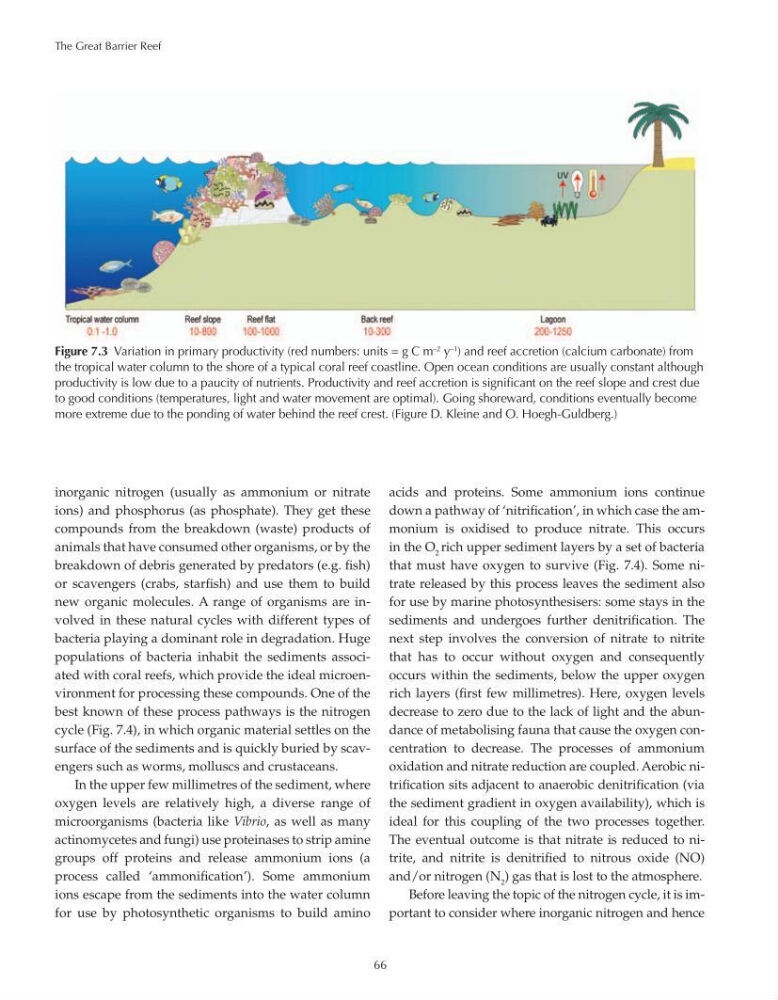
Figure 7.3 Variation in primary productivity (red numbers: units = g C m
–2 y
–1
) and reef accretion (calcium carbonate) from
the tropical water column to the shore of a typical coral reef coastline. Open ocean conditions are usually constant although
productivity is low due to a paucity of nutrients. Productivity and reef accretion is significant on the reef slope and crest due
to good conditions (temperatures, light and water movement are optimal). Going shoreward, conditions eventually become
more extreme due to the ponding of water behind the reef crest. (Figure D. Kleine and O. Hoegh-Guldberg.)
66
inorganic nitrogen (usually as ammonium or nitrate
ions) and phosphorus (as phosphate). They get these
compounds from the breakdown (waste) products of
animals that have consumed other organisms, or by the
breakdown of debris generated by predators (e.g. fish)
or scavengers (crabs, starfish) and use them to build
new organic molecules. A range of organisms are involved in these natural cycles with different types of
bacteria playing a dominant role in degradation. Huge
populations of bacteria inhabit the sediments associated with coral reefs, which provide the ideal microenvironment for processing these compounds. One of the
best known of these process pathways is the nitrogen
cycle (Fig. 7.4), in which organic material settles on the
surface of the sediments and is quickly buried by scavengers such as worms, molluscs and crustaceans.
In the upper few millimetres of the sediment, where
oxygen levels are relatively high, a diverse range of
microorganisms (bacteria like Vibrio, as well as many
actinomycetes and fungi) use proteinases to strip amine
groups off proteins and release ammonium ions (a
process called ‘ammonification’). Some ammonium
ions escape from the sediments into the water column
for use by photosynthetic organisms to build amino
acids and proteins. Some ammonium ions continue
down a pathway of ‘nitrification’, in which case the ammonium is oxidised to produce nitrate. This occurs
in the O 2 rich upper sediment layers by a set of bacteria
that must have oxygen to survive (Fig. 7.4). Some nitrate released by this process leaves the sediment also
for use by marine photosynthesisers: some stays in the
sediments and undergoes further denitrification. The
next step involves the conversion of nitrate to nitrite
that has to occur without oxygen and consequently
occurs within the sediments, below the upper oxygen
rich layers (first few millimetres). Here, oxygen levels
decrease to zero due to the lack of light and the abundance of metabolising fauna that cause the oxygen concentration to decrease. The processes of ammonium
oxidation and nitrate reduction are coupled. Aerobic nitrification sits adjacent to anaerobic denitrification (via
the sediment gradient in oxygen availability), which is
ideal for this coupling of the two processes together.
The eventual outcome is that nitrate is reduced to nitrite, and nitrite is denitrified to nitrous oxide (NO)
and/or nitrogen (N 2 ) gas that is lost to the atmosphere.
Before leaving the topic of the nitrogen cycle, it is important to consider where inorganic nitrogen and hence
Figure 7.3 Variation in primary productivity (red numbers: units = g C m
–2 y
–1
) and reef accretion (calcium carbonate) from
the tropical water column to the shore of a typical coral reef coastline. Open ocean conditions are usually constant although
productivity is low due to a paucity of nutrients. Productivity and reef accretion is significant on the reef slope and crest due
to good conditions (temperatures, light and water movement are optimal). Going shoreward, conditions eventually become
more extreme due to the ponding of water behind the reef crest. (Figure D. Kleine and O. Hoegh-Guldberg.)