

The Great Barrier Reef
36
southward mean oceanic current. By turbulent mixing,
the width of the plume grows as the water moves
northward away from the river mouth.
Strong winds entrain muddy sediment in suspension
in embayments, such as Trinity Bay in the Cairns region
of the GBR. When the wind calms, this water is negatively buoyant because of the sediment load; the densitydriven flows makes this water cascade downward into
deeper water as a bottom-tagging nepheloid layer a few
metres thick, carrying the mud towards coastal and inner
shelf reefs that it will help degrade (Fig. 4.6F).
N CONVERGENCES
Convergences are caused by a variety of physical features that include, eddies, jets, wind, fronts, internal
waves and freshwater plumes. Convergence zones accumulate plankton and floating objects such as flotsam, drift algae (see Chapter 14) and aggregations of
cells (e.g. Trichodesmium). The convergence zones of
windrows that form parallel to the direction of the
wind are Langmuir cells and aggregate floatsam and
organisms such as plankton, coral eggs and jellyfish.
Tidally induced fronts are generated through differences in the density of waters masses, differences in
depth (i.e. water will travel relatively faster in deeper
water creating a shear zone or convergence), and the
edge of eddies. When lagoons heat up, sea water
becomes less dense and on the outgoing tide a thermal front will form where the warm water meets
relatively cool inter-reefal waters. The differences in
temperature can range from 0.2 °C to 1.5 °C and a convergence will form at the front. These and other tidal
fronts generally dissipate with a change of the tide.
Internal waves result when there is a density difference with depth and on the GBR this is usually restricted to reefs on the outer shelf and in the Coral Sea,
such as Raine Island. Internal waves commonly also
form near the shelf break from tidal motions. The outgoing tide deforms the thermocline downward and as
the tide changes to flood it perturbs the thermocline
and propagates a packet of internal waves shoreward.
Parallel convergences form at the surface over the rear
of each wave and aggregated material is transported
shoreward. The largest internal waves in the world
(amplitude of 270 m) have been found around isolated
oceanic coral reefs. The deformation of the thermocline
upward over a reef combined with channeling by local
topography will result in benthic organisms being
bathed in cool water and this can constitute significant
upwelling events (enhancing productivity) and thermal shocks (stressing organisms).
N WIND AND UPWELLING
Wind has great influence on currents. Although tides
and the EAC are important, the direction and intensity
of wind also greatly affects water movement. Although
transport by the wind is downwind at the surface, this
is not the case through the whole water column. Transport of particles in the wind affected layer (Eckman
layer) deviates to the left in the southern hemisphere
with depth and more to the right in the northern hemisphere as a result of the rotation of the Earth. On average, therefore, particles will be transport toward shore
in the Eckman layer with a wind from the south and
offshore with a wind from the north. When surface waters are transported away from the shore, a sea level
low is created which is replaced by cool water from beneath. This is one of the major mechanisms for generating upwelling of nutrient rich waters. Upwelling in the
clear waters of the GBR appears to an oxymoron as tropical waters are generally thought to be oligotrophic.
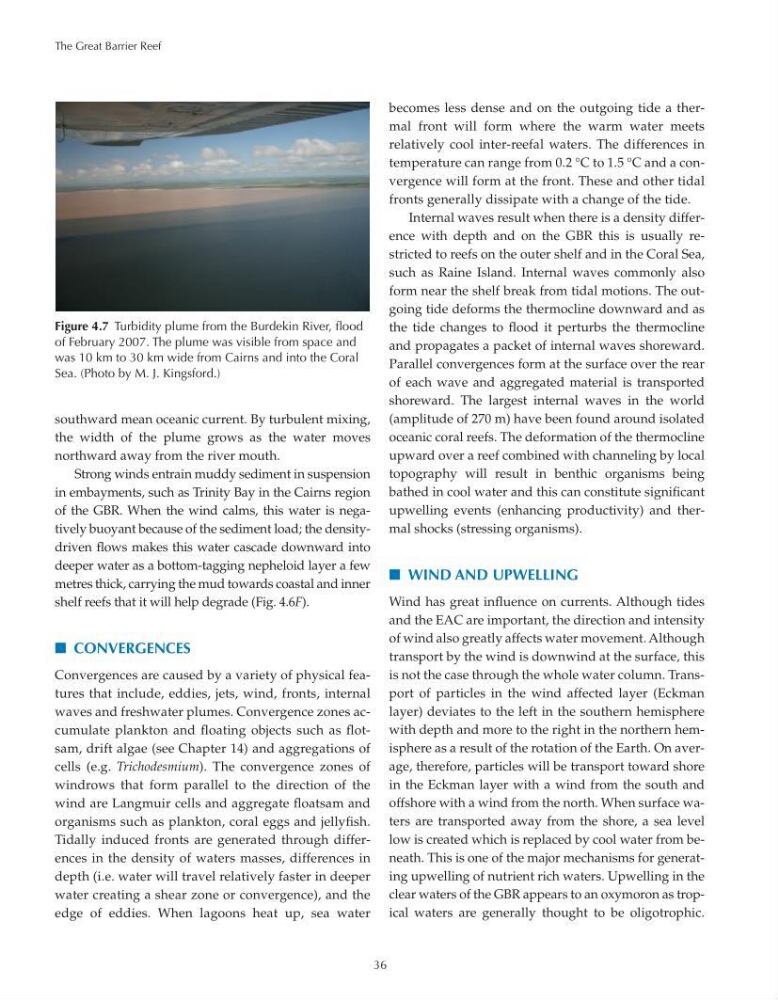
Figure 4.7 Turbidity plume from the Burdekin River, flood
of February 2007. The plume was visible from space and
was 10 km to 30 km wide from Cairns and into the Coral
Sea. (Photo by M. J. Kingsford.)
36
southward mean oceanic current. By turbulent mixing,
the width of the plume grows as the water moves
northward away from the river mouth.
Strong winds entrain muddy sediment in suspension
in embayments, such as Trinity Bay in the Cairns region
of the GBR. When the wind calms, this water is negatively buoyant because of the sediment load; the densitydriven flows makes this water cascade downward into
deeper water as a bottom-tagging nepheloid layer a few
metres thick, carrying the mud towards coastal and inner
shelf reefs that it will help degrade (Fig. 4.6F).
N CONVERGENCES
Convergences are caused by a variety of physical features that include, eddies, jets, wind, fronts, internal
waves and freshwater plumes. Convergence zones accumulate plankton and floating objects such as flotsam, drift algae (see Chapter 14) and aggregations of
cells (e.g. Trichodesmium). The convergence zones of
windrows that form parallel to the direction of the
wind are Langmuir cells and aggregate floatsam and
organisms such as plankton, coral eggs and jellyfish.
Tidally induced fronts are generated through differences in the density of waters masses, differences in
depth (i.e. water will travel relatively faster in deeper
water creating a shear zone or convergence), and the
edge of eddies. When lagoons heat up, sea water
becomes less dense and on the outgoing tide a thermal front will form where the warm water meets
relatively cool inter-reefal waters. The differences in
temperature can range from 0.2 °C to 1.5 °C and a convergence will form at the front. These and other tidal
fronts generally dissipate with a change of the tide.
Internal waves result when there is a density difference with depth and on the GBR this is usually restricted to reefs on the outer shelf and in the Coral Sea,
such as Raine Island. Internal waves commonly also
form near the shelf break from tidal motions. The outgoing tide deforms the thermocline downward and as
the tide changes to flood it perturbs the thermocline
and propagates a packet of internal waves shoreward.
Parallel convergences form at the surface over the rear
of each wave and aggregated material is transported
shoreward. The largest internal waves in the world
(amplitude of 270 m) have been found around isolated
oceanic coral reefs. The deformation of the thermocline
upward over a reef combined with channeling by local
topography will result in benthic organisms being
bathed in cool water and this can constitute significant
upwelling events (enhancing productivity) and thermal shocks (stressing organisms).
N WIND AND UPWELLING
Wind has great influence on currents. Although tides
and the EAC are important, the direction and intensity
of wind also greatly affects water movement. Although
transport by the wind is downwind at the surface, this
is not the case through the whole water column. Transport of particles in the wind affected layer (Eckman
layer) deviates to the left in the southern hemisphere
with depth and more to the right in the northern hemisphere as a result of the rotation of the Earth. On average, therefore, particles will be transport toward shore
in the Eckman layer with a wind from the south and
offshore with a wind from the north. When surface waters are transported away from the shore, a sea level
low is created which is replaced by cool water from beneath. This is one of the major mechanisms for generating upwelling of nutrient rich waters. Upwelling in the
clear waters of the GBR appears to an oxymoron as tropical waters are generally thought to be oligotrophic.
Figure 4.7 Turbidity plume from the Burdekin River, flood
of February 2007. The plume was visible from space and
was 10 km to 30 km wide from Cairns and into the Coral
Sea. (Photo by M. J. Kingsford.)