

5.8.4 CARBOHYDRATES
A high-carbohydrate diet usually leads to a decreased rate of detoxification.
Microsomal oxidation is generally depressed when the carbohydrate to protein
ratio is increased. In addition, the nature of the carbohydrates also affects
oxidase activity. For example, sucrose gives rise to the lowest activity,
cornstarch, the highest value, and glucose and fructose give intermediate
values. Since dietary carbohydrates influence body lipid composition, the
relationship between carbohydrate nutrition and toxicity is often difficult to
assess. However, environmental chemicals can affect, and be affected by, body
glucose homeostasis in several different ways. For example, CCl 4 rapidly
deactivates hepatic glucose 6-phosphatase by damaging the membrane
environment of the enzyme. Trichloroethylene and several other compounds
that are metabolized by the liver to glucuronyl conjugates are more hepatotoxic
to fasted animals than to fed animals.
5.8.5 LIPIDS
Dietary lipids may affect the toxicity of environmental chemicals by delaying or
enhancing their absorption. The absorption of lipophobic substances is delayed
and that of lipophilic substances accelerated. The endoplasmic reticulum
contains high levels of lipids, especially phospholipids (which are rich in
polyunsaturated fatty acids). Lipids may influence the detoxification process by
affecting the cytochrome P450 system because phosphatidylcholine is an
essential component of the hepatic microsomal MFO system. A high-fat diet
may cause more oxidation to occur because it may contribute to more
incorporation of membrane material.
The type of lipid can also affect toxicant metabolism, as a high proportion
of phospholipids are unsaturated due to the presence of linoleic acid (18:2) in
the b-position of triacylglycerol. Dietary 18:2 is important in determining the
normal levels of hepatic cytochrome P450 concentration and the rate of
oxidative demethylation in rat liver.
Dietary lipids play a unique role in the toxicity of chlorinated hydrocarbon
pesticides. Dietary lipids may favor more absorption of these pesticides, but
once these chemicals are absorbed into the body they may be stored in the
Factors Affecting Xenobiotic Action
75
[16:54 26/8/04 P:/CRC PRESS/4365 MING-HO.751 (1670)/4365-005.3d]
Ref: 4365 MING-HO YU Chap-005 Page: 75 65-84
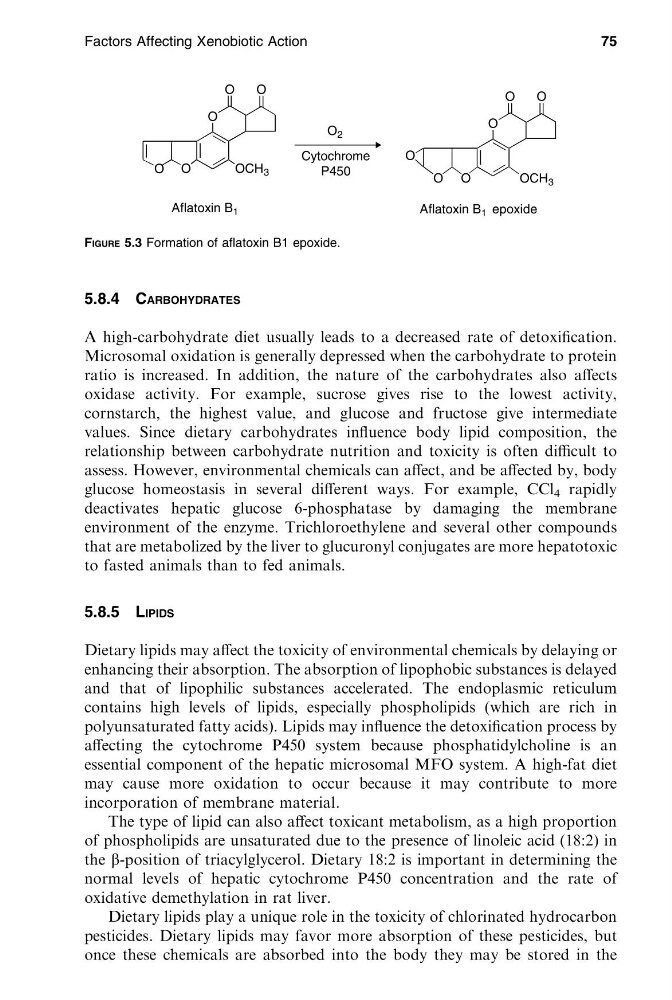
FIGURE 5.3 Formation of aflatoxin B1 epoxide.
A high-carbohydrate diet usually leads to a decreased rate of detoxification.
Microsomal oxidation is generally depressed when the carbohydrate to protein
ratio is increased. In addition, the nature of the carbohydrates also affects
oxidase activity. For example, sucrose gives rise to the lowest activity,
cornstarch, the highest value, and glucose and fructose give intermediate
values. Since dietary carbohydrates influence body lipid composition, the
relationship between carbohydrate nutrition and toxicity is often difficult to
assess. However, environmental chemicals can affect, and be affected by, body
glucose homeostasis in several different ways. For example, CCl 4 rapidly
deactivates hepatic glucose 6-phosphatase by damaging the membrane
environment of the enzyme. Trichloroethylene and several other compounds
that are metabolized by the liver to glucuronyl conjugates are more hepatotoxic
to fasted animals than to fed animals.
5.8.5 LIPIDS
Dietary lipids may affect the toxicity of environmental chemicals by delaying or
enhancing their absorption. The absorption of lipophobic substances is delayed
and that of lipophilic substances accelerated. The endoplasmic reticulum
contains high levels of lipids, especially phospholipids (which are rich in
polyunsaturated fatty acids). Lipids may influence the detoxification process by
affecting the cytochrome P450 system because phosphatidylcholine is an
essential component of the hepatic microsomal MFO system. A high-fat diet
may cause more oxidation to occur because it may contribute to more
incorporation of membrane material.
The type of lipid can also affect toxicant metabolism, as a high proportion
of phospholipids are unsaturated due to the presence of linoleic acid (18:2) in
the b-position of triacylglycerol. Dietary 18:2 is important in determining the
normal levels of hepatic cytochrome P450 concentration and the rate of
oxidative demethylation in rat liver.
Dietary lipids play a unique role in the toxicity of chlorinated hydrocarbon
pesticides. Dietary lipids may favor more absorption of these pesticides, but
once these chemicals are absorbed into the body they may be stored in the
Factors Affecting Xenobiotic Action
75
[16:54 26/8/04 P:/CRC PRESS/4365 MING-HO.751 (1670)/4365-005.3d]
Ref: 4365 MING-HO YU Chap-005 Page: 75 65-84
FIGURE 5.3 Formation of aflatoxin B1 epoxide.