

436
J. Bauer et al.
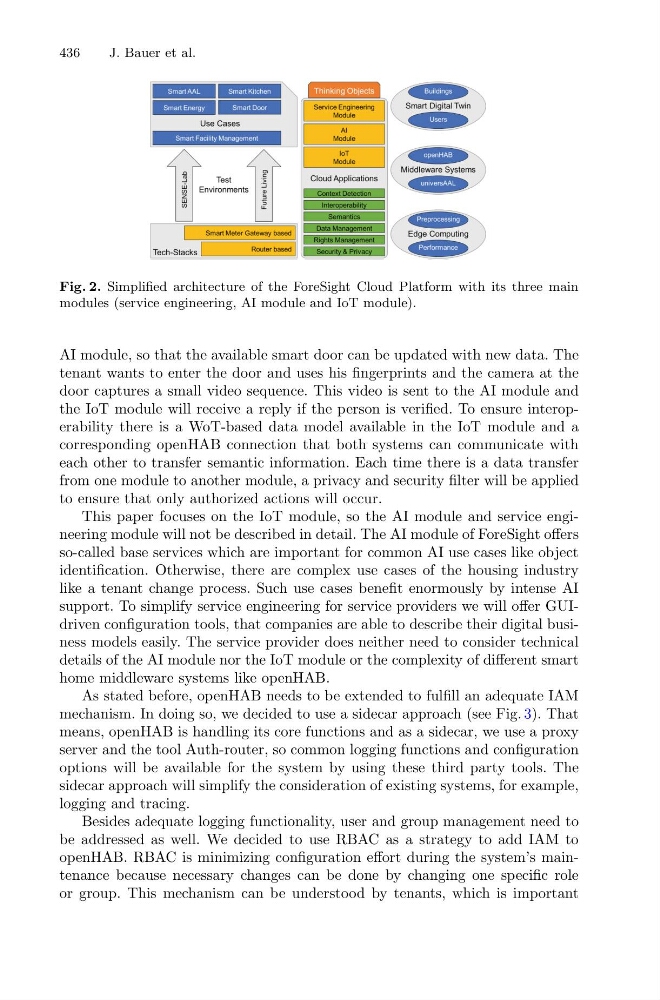
Fig. 2. Simplified architecture of the ForeSight Cloud Platform with its three main
modules (service engineering, AI module and IoT module).
AI module, so that the available smart door can be updated with new data. The
tenant wants to enter the door and uses his fingerprints and the camera at the
door captures a small video sequence. This video is sent to the AI module and
the IoT module will receive a reply if the person is verified. To ensure interoperability there is a WoT-based data model available in the IoT module and a
corresponding openHAB connection that both systems can communicate with
each other to transfer semantic information. Each time there is a data transfer
from one module to another module, a privacy and security filter will be applied
to ensure that only authorized actions will occur.
This paper focuses on the IoT module, so the AI module and service engineering module will not be described in detail. The AI module of ForeSight offers
so-called base services which are important for common AI use cases like object
identification. Otherwise, there are complex use cases of the housing industry
like a tenant change process. Such use cases benefit enormously by intense AI
support. To simplify service engineering for service providers we will offer GUIdriven configuration tools, that companies are able to describe their digital business models easily. The service provider does neither need to consider technical
details of the AI module nor the IoT module or the complexity of different smart
home middleware systems like openHAB.
As stated before, openHAB needs to be extended to fulfill an adequate IAM
mechanism. In doing so, we decided to use a sidecar approach (see Fig. 3). That
means, openHAB is handling its core functions and as a sidecar, we use a proxy
server and the tool Auth-router, so common logging functions and configuration
options will be available for the system by using these third party tools. The
sidecar approach will simplify the consideration of existing systems, for example,
logging and tracing.
Besides adequate logging functionality, user and group management need to
be addressed as well. We decided to use RBAC as a strategy to add IAM to
openHAB. RBAC is minimizing configuration effort during the system’s maintenance because necessary changes can be done by changing one specific role
or group. This mechanism can be understood by tenants, which is important
J. Bauer et al.
Fig. 2. Simplified architecture of the ForeSight Cloud Platform with its three main
modules (service engineering, AI module and IoT module).
AI module, so that the available smart door can be updated with new data. The
tenant wants to enter the door and uses his fingerprints and the camera at the
door captures a small video sequence. This video is sent to the AI module and
the IoT module will receive a reply if the person is verified. To ensure interoperability there is a WoT-based data model available in the IoT module and a
corresponding openHAB connection that both systems can communicate with
each other to transfer semantic information. Each time there is a data transfer
from one module to another module, a privacy and security filter will be applied
to ensure that only authorized actions will occur.
This paper focuses on the IoT module, so the AI module and service engineering module will not be described in detail. The AI module of ForeSight offers
so-called base services which are important for common AI use cases like object
identification. Otherwise, there are complex use cases of the housing industry
like a tenant change process. Such use cases benefit enormously by intense AI
support. To simplify service engineering for service providers we will offer GUIdriven configuration tools, that companies are able to describe their digital business models easily. The service provider does neither need to consider technical
details of the AI module nor the IoT module or the complexity of different smart
home middleware systems like openHAB.
As stated before, openHAB needs to be extended to fulfill an adequate IAM
mechanism. In doing so, we decided to use a sidecar approach (see Fig. 3). That
means, openHAB is handling its core functions and as a sidecar, we use a proxy
server and the tool Auth-router, so common logging functions and configuration
options will be available for the system by using these third party tools. The
sidecar approach will simplify the consideration of existing systems, for example,
logging and tracing.
Besides adequate logging functionality, user and group management need to
be addressed as well. We decided to use RBAC as a strategy to add IAM to
openHAB. RBAC is minimizing configuration effort during the system’s maintenance because necessary changes can be done by changing one specific role
or group. This mechanism can be understood by tenants, which is important