

of drought awareness after one year. A significant change was noted in the consideration of the possible impacts of climate changes on drought frequency by IAV.
It is not possible to affirm that this change was due to the work performed during
DROP, but one can state that a supportive process facilitating the development of
drought awareness is ongoing.
6.6 Conclusions and Case-Specific Recommendations
The governance team of the DROP project concluded that the strong network
driven by IAV for drinking water management of the Arzal reservoir in the lower
Vilaine River catchment and for the implementation of the SAGE management plan
can also be used for drought management, even if this currently is not the case. If
the focus is placed on setting up drought policy and drought adaptation plans, the
structure of the system of the levels and actors in the whole Vilaine catchment will
be available for its implementation. It is expected that it is the overall high availability of water as well as the common priority given to drinking water by these
actors that currently forbid the implementation of measures for drought adaptation
in the Arzal reservoir area except in those sub-basins where water scarcity is already
obvious but where the use of water from the Arzal reservoir is not a concern.
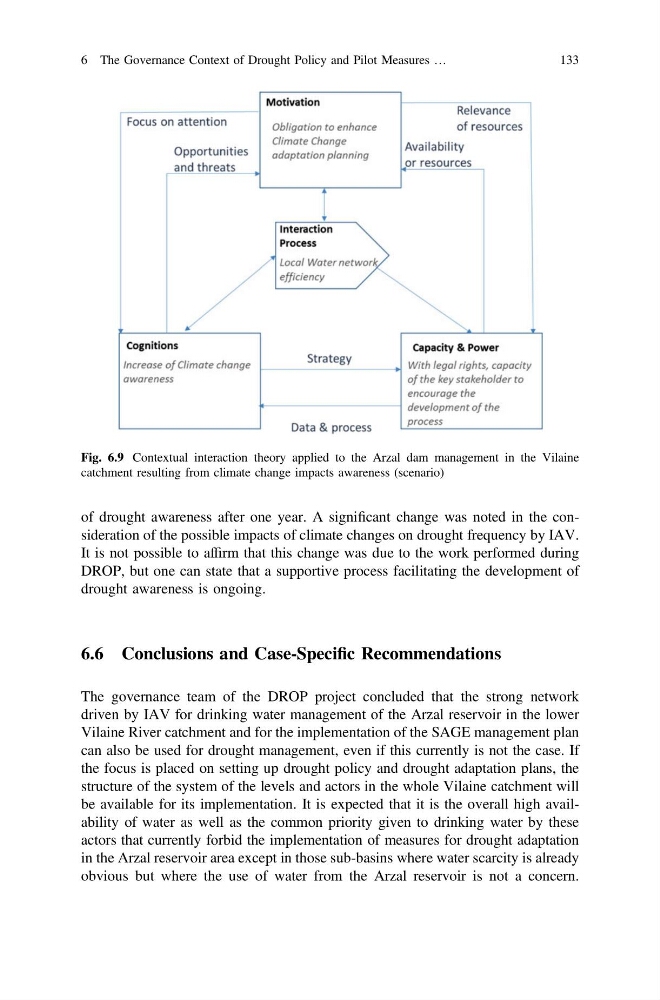
Fig. 6.9 Contextual interaction theory applied to the Arzal dam management in the Vilaine
catchment resulting from climate change impacts awareness (scenario)
6 The Governance Context of Drought Policy and Pilot Measures …
133
It is not possible to affirm that this change was due to the work performed during
DROP, but one can state that a supportive process facilitating the development of
drought awareness is ongoing.
6.6 Conclusions and Case-Specific Recommendations
The governance team of the DROP project concluded that the strong network
driven by IAV for drinking water management of the Arzal reservoir in the lower
Vilaine River catchment and for the implementation of the SAGE management plan
can also be used for drought management, even if this currently is not the case. If
the focus is placed on setting up drought policy and drought adaptation plans, the
structure of the system of the levels and actors in the whole Vilaine catchment will
be available for its implementation. It is expected that it is the overall high availability of water as well as the common priority given to drinking water by these
actors that currently forbid the implementation of measures for drought adaptation
in the Arzal reservoir area except in those sub-basins where water scarcity is already
obvious but where the use of water from the Arzal reservoir is not a concern.
Fig. 6.9 Contextual interaction theory applied to the Arzal dam management in the Vilaine
catchment resulting from climate change impacts awareness (scenario)
6 The Governance Context of Drought Policy and Pilot Measures …
133