

265
For comparison, the consumer price index for the period between 2007 and 2014 is
20.9 % (2006 = 100) according to the data provided by the Israel Central Bureau of
Statistics (CBS).
Certain population groups such as disabled people, victims of hostilities and
people who are qualifi ed to receive social welfare transfers receive governmental
support. This support allows these groups of people to double their amount of water
used; however, they still have to pay the price for the low block tariff – instead of
3.5 m
3 per capita and month, these individuals can use 7 m
3 per capita a month for
the low block tariff rate. The Knesset Finance Committee decides which population
groups are eligible to receive this benefi t, while the eligibility is decided by the
Social Security (Bituach Leumi). The support itself comes from the local water
corporation retroactively and is shown on the water invoice.
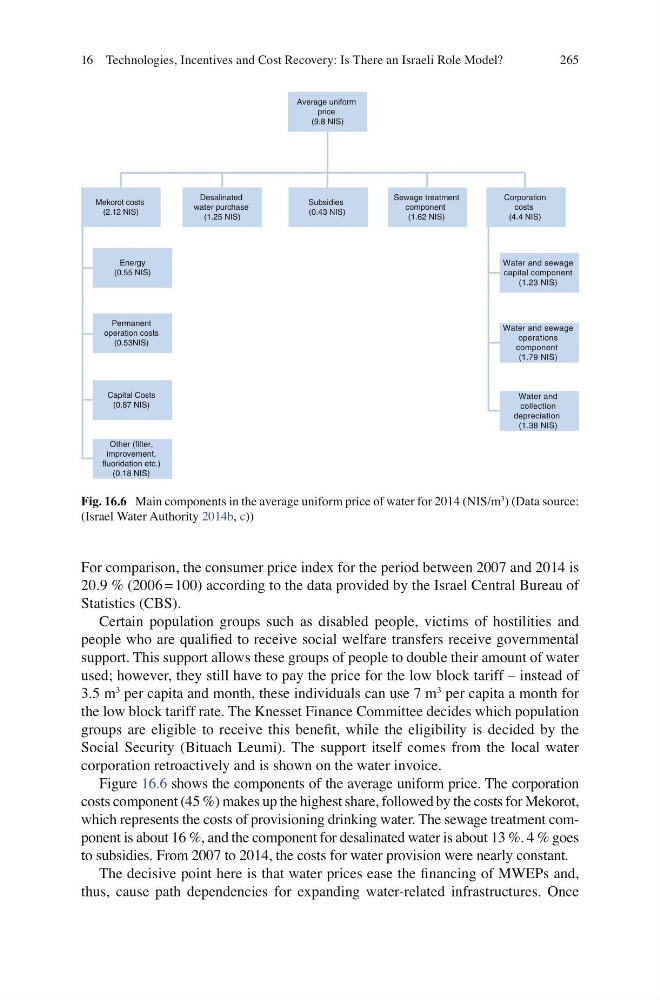
Figure 16.6 shows the components of the average uniform price. The corporation
costs component (45 %) makes up the highest share, followed by the costs for Mekorot,
which represents the costs of provisioning drinking water. The sewage treatment component is about 16 %, and the component for desalinated water is about 13 %. 4 % goes
to subsidies. From 2007 to 2014, the costs for water provision were nearly constant.
The decisive point here is that water prices ease the fi nancing of MWEPs and,
thus, cause path dependencies for expanding water-related infrastructures. Once
Average uniform
price
(9.8 NIS)
Mekorot costs
(2.12 NIS)
Desalinated
water purchase
(1.25 NIS)
Subsidies
(0.43 NIS)
Sewage treatment
component
(1.62 NIS)
Corporation
costs
(4.4 NIS)
Water and sewage
capital component
(1.23 NIS)
Water and sewage
operations
component
(1.79 NIS)
Water and
collection
depreciation
(1.38 NIS)
Energy
(0.55 NIS)
Permanent
operation costs
(0.53NIS)
Capital Costs
(0.87 NIS)
Other (filter,
improvement,
fluoridation etc.)
(0.18 NIS)
Fig. 16.6 Main components in the average uniform price of water for 2014 (NIS/m
3
) (Data source:
(Israel Water Authority 2014b , c ))
16 Technologies, Incentives and Cost Recovery: Is There an Israeli Role Model?
For comparison, the consumer price index for the period between 2007 and 2014 is
20.9 % (2006 = 100) according to the data provided by the Israel Central Bureau of
Statistics (CBS).
Certain population groups such as disabled people, victims of hostilities and
people who are qualifi ed to receive social welfare transfers receive governmental
support. This support allows these groups of people to double their amount of water
used; however, they still have to pay the price for the low block tariff – instead of
3.5 m
3 per capita and month, these individuals can use 7 m
3 per capita a month for
the low block tariff rate. The Knesset Finance Committee decides which population
groups are eligible to receive this benefi t, while the eligibility is decided by the
Social Security (Bituach Leumi). The support itself comes from the local water
corporation retroactively and is shown on the water invoice.
Figure 16.6 shows the components of the average uniform price. The corporation
costs component (45 %) makes up the highest share, followed by the costs for Mekorot,
which represents the costs of provisioning drinking water. The sewage treatment component is about 16 %, and the component for desalinated water is about 13 %. 4 % goes
to subsidies. From 2007 to 2014, the costs for water provision were nearly constant.
The decisive point here is that water prices ease the fi nancing of MWEPs and,
thus, cause path dependencies for expanding water-related infrastructures. Once
Average uniform
price
(9.8 NIS)
Mekorot costs
(2.12 NIS)
Desalinated
water purchase
(1.25 NIS)
Subsidies
(0.43 NIS)
Sewage treatment
component
(1.62 NIS)
Corporation
costs
(4.4 NIS)
Water and sewage
capital component
(1.23 NIS)
Water and sewage
operations
component
(1.79 NIS)
Water and
collection
depreciation
(1.38 NIS)
Energy
(0.55 NIS)
Permanent
operation costs
(0.53NIS)
Capital Costs
(0.87 NIS)
Other (filter,
improvement,
fluoridation etc.)
(0.18 NIS)
Fig. 16.6 Main components in the average uniform price of water for 2014 (NIS/m
3
) (Data source:
(Israel Water Authority 2014b , c ))
16 Technologies, Incentives and Cost Recovery: Is There an Israeli Role Model?