

328
5 Conclusion
The developed life cycle engineering approach is a helpful environmental management tool to support design for environment. The progress in this methodology is
the ability to calculate measurable targets – such as weight reduction, fuel reduction
on a vehicle level, or the amount of secondary material – on the basis of LCA
results. With the help of an example in lightweight design, the successful implementation and application of LCA derived technical targets in a company was shown. It
is important to note that LCA is not used here for comparing the environmental
performance between competing materials or technologies. Instead, life cycle engineering shows the technical roadmap of measures that must be taken in order to
assure environmental progress over the entire life cycle. In this way, life cycle engineering mainly focuses on the management and controlling of actions to improve
the environmental performance of products. Environmental performance improvement is key for a life cycle management initiative in a company.
References
ISO (2006a) ISO 14040 Environmental management – life cycle assessment – principles and
framework. International Organisation, Geneva
ISO (2006b) ISO 14044 Environmental management – life cycle assessment – Requirements and
guidelines. International Organisation, Geneva
Krinke S, Koffler C, Deinzer G, Heil U (2010) An integrated life cycle approach to lightweight
automotive design. ATZ Worldwide 112(6):36–42
Remmen A, Jensen AA, Frydendal J (2007) Life cycle management. A business guide to sustainability. UNEP DTI
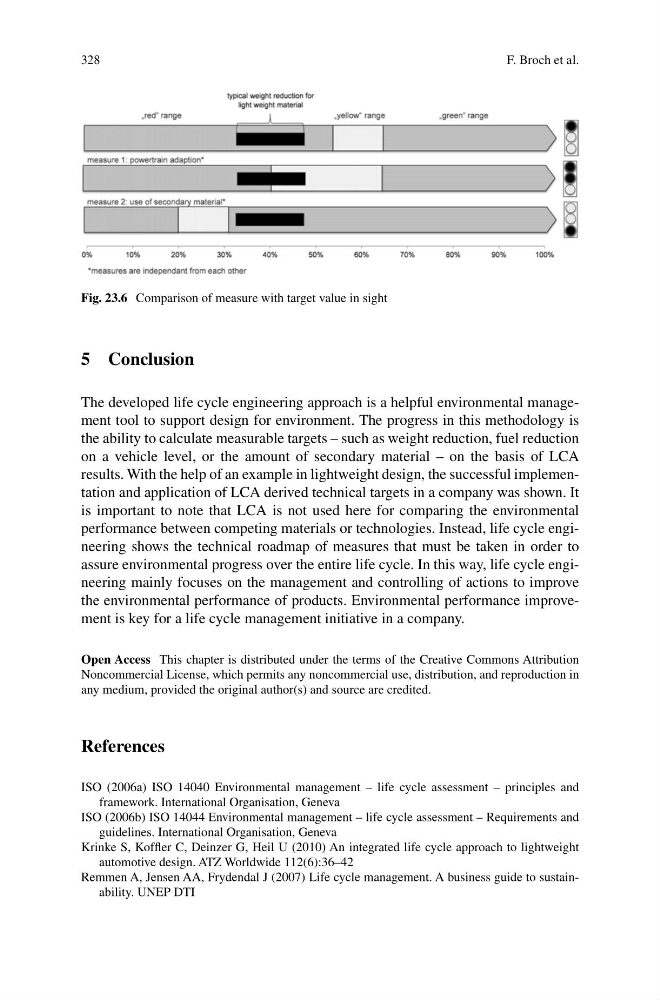
Fig. 23.6 Comparison of measure with target value in sight
Open Access This chapter is distributed under the terms of the Creative Commons Attribution
Noncommercial License, which permits any noncommercial use, distribution, and reproduction in
any medium, provided the original author(s) and source are credited.
F. Broch et al.
5 Conclusion
The developed life cycle engineering approach is a helpful environmental management tool to support design for environment. The progress in this methodology is
the ability to calculate measurable targets – such as weight reduction, fuel reduction
on a vehicle level, or the amount of secondary material – on the basis of LCA
results. With the help of an example in lightweight design, the successful implementation and application of LCA derived technical targets in a company was shown. It
is important to note that LCA is not used here for comparing the environmental
performance between competing materials or technologies. Instead, life cycle engineering shows the technical roadmap of measures that must be taken in order to
assure environmental progress over the entire life cycle. In this way, life cycle engineering mainly focuses on the management and controlling of actions to improve
the environmental performance of products. Environmental performance improvement is key for a life cycle management initiative in a company.
References
ISO (2006a) ISO 14040 Environmental management – life cycle assessment – principles and
framework. International Organisation, Geneva
ISO (2006b) ISO 14044 Environmental management – life cycle assessment – Requirements and
guidelines. International Organisation, Geneva
Krinke S, Koffler C, Deinzer G, Heil U (2010) An integrated life cycle approach to lightweight
automotive design. ATZ Worldwide 112(6):36–42
Remmen A, Jensen AA, Frydendal J (2007) Life cycle management. A business guide to sustainability. UNEP DTI
Fig. 23.6 Comparison of measure with target value in sight
Open Access This chapter is distributed under the terms of the Creative Commons Attribution
Noncommercial License, which permits any noncommercial use, distribution, and reproduction in
any medium, provided the original author(s) and source are credited.
F. Broch et al.