

snow fall, changes in river flow are much more dependent on changes in rainfall
than on changes in temperature (Bates et al. 2008). Due to the non-linearity of
response, the changes in river flow will always be considerably higher in percentage
than the changes in the precipitation amount. Many studies in such regions project
an increase in flow seasonality, often with higher flows in the peak flow season and
lower flows during the low-flow season. Though, in most cases the timing of peak
and low flows remains virtually unchanged (IPCC 2007).
River flow regimes can be described as the average seasonal behaviour of flow.
Differences in the regularity of the seasonal patterns reflect different dimensionalities
of the flow regimes, which can change due to changes in climate conditions. For
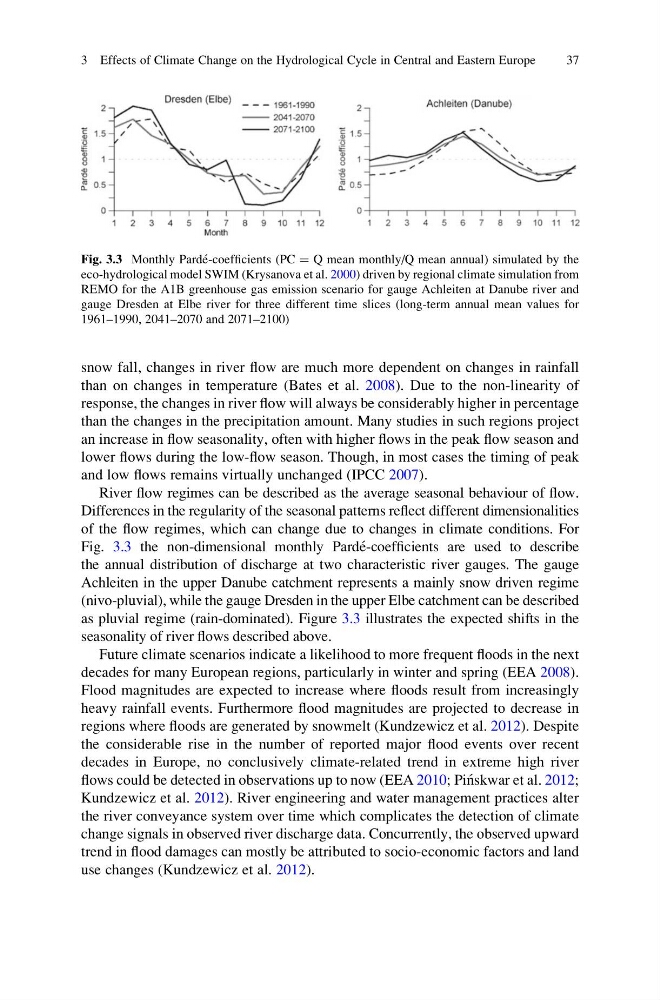
Fig. 3.3 the non-dimensional monthly Parde ´-coefficients are used to describe
the annual distribution of discharge at two characteristic river gauges. The gauge
Achleiten in the upper Danube catchment represents a mainly snow driven regime
(nivo-pluvial), while the gauge Dresden in the upper Elbe catchment can be described
as pluvial regime (rain-dominated). Figure 3.3 illustrates the expected shifts in the
seasonality of river flows described above.
Future climate scenarios indicate a likelihood to more frequent floods in the next
decades for many European regions, particularly in winter and spring (EEA 2008).
Flood magnitudes are expected to increase where floods result from increasingly
heavy rainfall events. Furthermore flood magnitudes are projected to decrease in
regions where floods are generated by snowmelt (Kundzewicz et al. 2012). Despite
the considerable rise in the number of reported major flood events over recent
decades in Europe, no conclusively climate-related trend in extreme high river
flows could be detected in observations up to now (EEA 2010; Pin ´skwar et al. 2012;
Kundzewicz et al. 2012). River engineering and water management practices alter
the river conveyance system over time which complicates the detection of climate
change signals in observed river discharge data. Concurrently, the observed upward
trend in flood damages can mostly be attributed to socio-economic factors and land
use changes (Kundzewicz et al. 2012).
Fig. 3.3 Monthly Parde ´-coefficients (PC ¼ Q mean monthly/Q mean annual) simulated by the
eco-hydrological model SWIM (Krysanova et al. 2000) driven by regional climate simulation from
REMO for the A1B greenhouse gas emission scenario for gauge Achleiten at Danube river and
gauge Dresden at Elbe river for three different time slices (long-term annual mean values for
1961–1990, 2041–2070 and 2071–2100)
3 Effects of Climate Change on the Hydrological Cycle in Central and Eastern Europe
37
than on changes in temperature (Bates et al. 2008). Due to the non-linearity of
response, the changes in river flow will always be considerably higher in percentage
than the changes in the precipitation amount. Many studies in such regions project
an increase in flow seasonality, often with higher flows in the peak flow season and
lower flows during the low-flow season. Though, in most cases the timing of peak
and low flows remains virtually unchanged (IPCC 2007).
River flow regimes can be described as the average seasonal behaviour of flow.
Differences in the regularity of the seasonal patterns reflect different dimensionalities
of the flow regimes, which can change due to changes in climate conditions. For
Fig. 3.3 the non-dimensional monthly Parde ´-coefficients are used to describe
the annual distribution of discharge at two characteristic river gauges. The gauge
Achleiten in the upper Danube catchment represents a mainly snow driven regime
(nivo-pluvial), while the gauge Dresden in the upper Elbe catchment can be described
as pluvial regime (rain-dominated). Figure 3.3 illustrates the expected shifts in the
seasonality of river flows described above.
Future climate scenarios indicate a likelihood to more frequent floods in the next
decades for many European regions, particularly in winter and spring (EEA 2008).
Flood magnitudes are expected to increase where floods result from increasingly
heavy rainfall events. Furthermore flood magnitudes are projected to decrease in
regions where floods are generated by snowmelt (Kundzewicz et al. 2012). Despite
the considerable rise in the number of reported major flood events over recent
decades in Europe, no conclusively climate-related trend in extreme high river
flows could be detected in observations up to now (EEA 2010; Pin ´skwar et al. 2012;
Kundzewicz et al. 2012). River engineering and water management practices alter
the river conveyance system over time which complicates the detection of climate
change signals in observed river discharge data. Concurrently, the observed upward
trend in flood damages can mostly be attributed to socio-economic factors and land
use changes (Kundzewicz et al. 2012).
Fig. 3.3 Monthly Parde ´-coefficients (PC ¼ Q mean monthly/Q mean annual) simulated by the
eco-hydrological model SWIM (Krysanova et al. 2000) driven by regional climate simulation from
REMO for the A1B greenhouse gas emission scenario for gauge Achleiten at Danube river and
gauge Dresden at Elbe river for three different time slices (long-term annual mean values for
1961–1990, 2041–2070 and 2071–2100)
3 Effects of Climate Change on the Hydrological Cycle in Central and Eastern Europe
37