

German development organization, which distributed them as Christmas gifts to
their employees. To avoid having to pay import duties, the coordinator of the
Uplands Program signed a letter confirming that the shipment was linked to a
non-profit research project. Microbiological tests and checks of the moisture content were carried out by colleagues at Chiang Mai University to ensure that the
dried litchis were safe to eat.
Production and sales of dried litchis have remained at a relatively low level and
have been characterized by annual fluctuations (see Table 9.2), due to competition
for labor during the extremely short harvesting season in May/June and low profit
margins for sales in the local markets, particularly when the price of fresh litchi is
relatively high (Schreinemachers et al. 2010). The Uplands Program; therefore,
aimed to explore marketing opportunities abroad and sent samples of dried litchis to
a large European food fair in 2008. This promotion led to a number of promising
Table 9.2 Sales of dried litchi from the processing cooperative in Mae Sa Mai/Mae Sa Noi
Year
Quantity (kg) Major marketing channels
2008/2009
98
Direct marketing, retailers, tourist facilities, trial export to a
German Development Expert organization
2009/2010
255
Retailers, tourist facilities, trial export to a French natural food
retailer
2010/2011
75
Retailers, tourist facilities
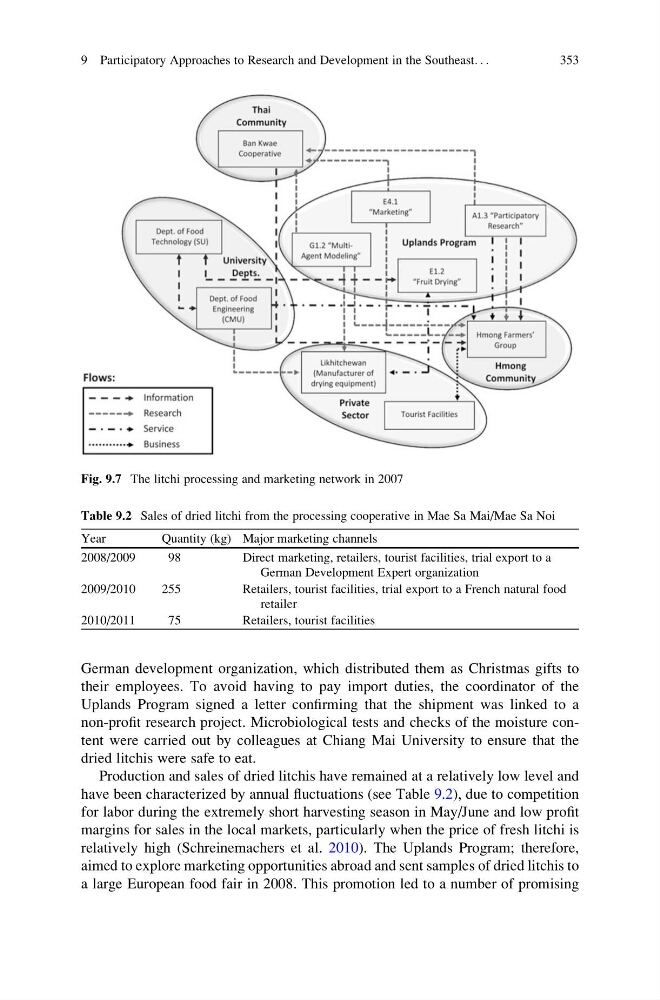
Fig. 9.7 The litchi processing and marketing network in 2007
9 Participatory Approaches to Research and Development in the Southeast. . .
353
their employees. To avoid having to pay import duties, the coordinator of the
Uplands Program signed a letter confirming that the shipment was linked to a
non-profit research project. Microbiological tests and checks of the moisture content were carried out by colleagues at Chiang Mai University to ensure that the
dried litchis were safe to eat.
Production and sales of dried litchis have remained at a relatively low level and
have been characterized by annual fluctuations (see Table 9.2), due to competition
for labor during the extremely short harvesting season in May/June and low profit
margins for sales in the local markets, particularly when the price of fresh litchi is
relatively high (Schreinemachers et al. 2010). The Uplands Program; therefore,
aimed to explore marketing opportunities abroad and sent samples of dried litchis to
a large European food fair in 2008. This promotion led to a number of promising
Table 9.2 Sales of dried litchi from the processing cooperative in Mae Sa Mai/Mae Sa Noi
Year
Quantity (kg) Major marketing channels
2008/2009
98
Direct marketing, retailers, tourist facilities, trial export to a
German Development Expert organization
2009/2010
255
Retailers, tourist facilities, trial export to a French natural food
retailer
2010/2011
75
Retailers, tourist facilities
Fig. 9.7 The litchi processing and marketing network in 2007
9 Participatory Approaches to Research and Development in the Southeast. . .
353