

latter may be the result of an improved fruit set after flowering, or reduced fruit fall
at later stages. Different studies have shown that yield differences between irrigation treatments are mainly related to the number of fruit per tree (Pavel and de
Villiers 2004; Duran Zuazo et al. 2011). In one study, a high level of correlation
between yield and the size of the fruit set (R
2
¼ 0.74) was found, rather than
between yield and the retention rate (R
2
¼ 0.08). In the same study significant
differences in fruit drop were reported between irrigation treatments, while still
concluding that the main determinant for fruit drop was the size of the fruit set
(Spreer et al. 2009). In Vietnam, Roemer et al. (2011) found no correlation between
irrigation and fruit drop in mango, but rather attributed it to climatic peculiarities.
In commercial mango production activities, the influence of irrigation on the size
of the fruit set and, therefore, on the final number of fruits harvested, is small, as
fruits are thinned about 6 weeks after the fruit set has developed, which is after the
major fruit drop has occurred (Roemer et al. 2011). As a consequence, the overall
influence of irrigation on total mango yields is minor, so the main focus of irrigation
research should be the influence of irrigation activities on fruit growth and fruit size
distribution at harvest time, as this determines the production value received by the
growers, with a 40–50 % higher price received for premium grade mangos. High
quality mangos are defined as having a desirable size, a clean skin, a compliant
color and a good shape (Chomchalow and Songkhla 2008).
6.2.3 Influence of Irrigation on Mango Fruit Growth
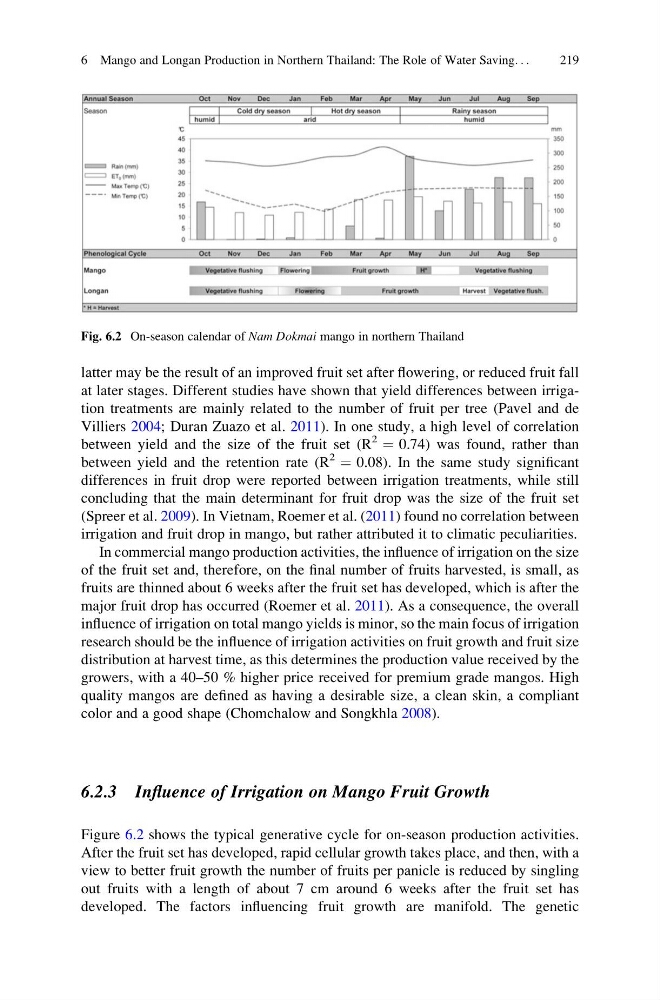
Figure 6.2 shows the typical generative cycle for on-season production activities.
After the fruit set has developed, rapid cellular growth takes place, and then, with a
view to better fruit growth the number of fruits per panicle is reduced by singling
out fruits with a length of about 7 cm around 6 weeks after the fruit set has
developed. The factors influencing fruit growth are manifold. The genetic
Fig. 6.2 On-season calendar of Nam Dokmai mango in northern Thailand
6 Mango and Longan Production in Northern Thailand: The Role of Water Saving. . .
219
at later stages. Different studies have shown that yield differences between irrigation treatments are mainly related to the number of fruit per tree (Pavel and de
Villiers 2004; Duran Zuazo et al. 2011). In one study, a high level of correlation
between yield and the size of the fruit set (R
2
¼ 0.74) was found, rather than
between yield and the retention rate (R
2
¼ 0.08). In the same study significant
differences in fruit drop were reported between irrigation treatments, while still
concluding that the main determinant for fruit drop was the size of the fruit set
(Spreer et al. 2009). In Vietnam, Roemer et al. (2011) found no correlation between
irrigation and fruit drop in mango, but rather attributed it to climatic peculiarities.
In commercial mango production activities, the influence of irrigation on the size
of the fruit set and, therefore, on the final number of fruits harvested, is small, as
fruits are thinned about 6 weeks after the fruit set has developed, which is after the
major fruit drop has occurred (Roemer et al. 2011). As a consequence, the overall
influence of irrigation on total mango yields is minor, so the main focus of irrigation
research should be the influence of irrigation activities on fruit growth and fruit size
distribution at harvest time, as this determines the production value received by the
growers, with a 40–50 % higher price received for premium grade mangos. High
quality mangos are defined as having a desirable size, a clean skin, a compliant
color and a good shape (Chomchalow and Songkhla 2008).
6.2.3 Influence of Irrigation on Mango Fruit Growth
Figure 6.2 shows the typical generative cycle for on-season production activities.
After the fruit set has developed, rapid cellular growth takes place, and then, with a
view to better fruit growth the number of fruits per panicle is reduced by singling
out fruits with a length of about 7 cm around 6 weeks after the fruit set has
developed. The factors influencing fruit growth are manifold. The genetic
Fig. 6.2 On-season calendar of Nam Dokmai mango in northern Thailand
6 Mango and Longan Production in Northern Thailand: The Role of Water Saving. . .
219