

6.3 Density Difference and Loading Ratio Effects
433
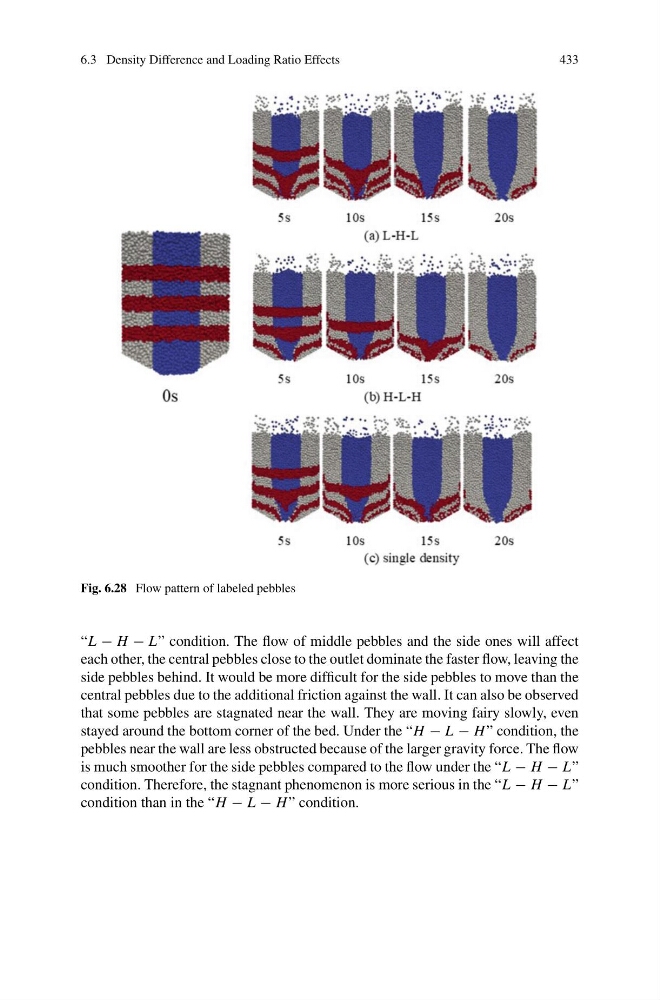
Fig. 6.28 Flow pattern of labeled pebbles
“L − H − L” condition. The flow of middle pebbles and the side ones will affect
each other, the central pebbles close to the outlet dominate the faster flow, leaving the
side pebbles behind. It would be more difficult for the side pebbles to move than the
central pebbles due to the additional friction against the wall. It can also be observed
that some pebbles are stagnated near the wall. They are moving fairy slowly, even
stayed around the bottom corner of the bed. Under the “H − L − H ” condition, the
pebbles near the wall are less obstructed because of the larger gravity force. The flow
is much smoother for the side pebbles compared to the flow under the “L − H − L”
condition. Therefore, the stagnant phenomenon is more serious in the “L − H − L”
condition than in the “H − L − H ” condition.
433
Fig. 6.28 Flow pattern of labeled pebbles
“L − H − L” condition. The flow of middle pebbles and the side ones will affect
each other, the central pebbles close to the outlet dominate the faster flow, leaving the
side pebbles behind. It would be more difficult for the side pebbles to move than the
central pebbles due to the additional friction against the wall. It can also be observed
that some pebbles are stagnated near the wall. They are moving fairy slowly, even
stayed around the bottom corner of the bed. Under the “H − L − H ” condition, the
pebbles near the wall are less obstructed because of the larger gravity force. The flow
is much smoother for the side pebbles compared to the flow under the “L − H − L”
condition. Therefore, the stagnant phenomenon is more serious in the “L − H − L”
condition than in the “H − L − H ” condition.