

liquid type EDLTs has been applied to explore high temperature superconductivity,
and it was accompanied by some interesting results. On the other hand, solid
electrolyte type EDLTs, termed all-solid-state EDLT, as has not been used to search
for superconductivity so far. Therefore, we studied all-solid-state EDLTs with
superconductors to investigate the possibility of superconducting T c modulation
using EDL carrier doping near superconductor/solid electrolyte interfaces [17].
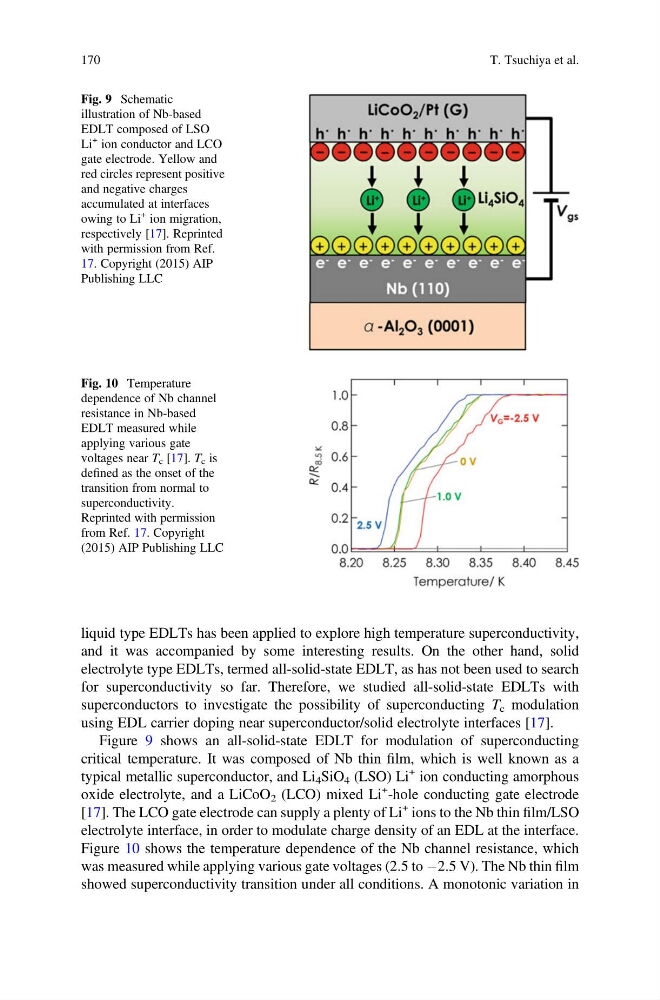
Figure 9 shows an all-solid-state EDLT for modulation of superconducting
critical temperature. It was composed of Nb thin film, which is well known as a
typical metallic superconductor, and Li 4 SiO 4 (LSO) Li
+ ion conducting amorphous
oxide electrolyte, and a LiCoO 2 (LCO) mixed Li
+ -hole conducting gate electrode
[17]. The LCO gate electrode can supply a plenty of Li
+ ions to the Nb thin film/LSO
electrolyte interface, in order to modulate charge density of an EDL at the interface.
Figure 10 shows the temperature dependence of the Nb channel resistance, which
was measured while applying various gate voltages (2.5 to À2.5 V). The Nb thin film
showed superconductivity transition under all conditions. A monotonic variation in
Fig. 9 Schematic
illustration of Nb-based
EDLT composed of LSO
Li
+ ion conductor and LCO
gate electrode. Yellow and
red circles represent positive
and negative charges
accumulated at interfaces
owing to Li
+ ion migration,
respectively [17]. Reprinted
with permission from Ref.
17. Copyright (2015) AIP
Publishing LLC
Fig. 10 Temperature
dependence of Nb channel
resistance in Nb-based
EDLT measured while
applying various gate
voltages near T c [17]. T c is
defined as the onset of the
transition from normal to
superconductivity.
Reprinted with permission
from Ref. 17. Copyright
(2015) AIP Publishing LLC
170
T. Tsuchiya et al.
and it was accompanied by some interesting results. On the other hand, solid
electrolyte type EDLTs, termed all-solid-state EDLT, as has not been used to search
for superconductivity so far. Therefore, we studied all-solid-state EDLTs with
superconductors to investigate the possibility of superconducting T c modulation
using EDL carrier doping near superconductor/solid electrolyte interfaces [17].
Figure 9 shows an all-solid-state EDLT for modulation of superconducting
critical temperature. It was composed of Nb thin film, which is well known as a
typical metallic superconductor, and Li 4 SiO 4 (LSO) Li
+ ion conducting amorphous
oxide electrolyte, and a LiCoO 2 (LCO) mixed Li
+ -hole conducting gate electrode
[17]. The LCO gate electrode can supply a plenty of Li
+ ions to the Nb thin film/LSO
electrolyte interface, in order to modulate charge density of an EDL at the interface.
Figure 10 shows the temperature dependence of the Nb channel resistance, which
was measured while applying various gate voltages (2.5 to À2.5 V). The Nb thin film
showed superconductivity transition under all conditions. A monotonic variation in
Fig. 9 Schematic
illustration of Nb-based
EDLT composed of LSO
Li
+ ion conductor and LCO
gate electrode. Yellow and
red circles represent positive
and negative charges
accumulated at interfaces
owing to Li
+ ion migration,
respectively [17]. Reprinted
with permission from Ref.
17. Copyright (2015) AIP
Publishing LLC
Fig. 10 Temperature
dependence of Nb channel
resistance in Nb-based
EDLT measured while
applying various gate
voltages near T c [17]. T c is
defined as the onset of the
transition from normal to
superconductivity.
Reprinted with permission
from Ref. 17. Copyright
(2015) AIP Publishing LLC
170
T. Tsuchiya et al.