

181
neighbour procedure (González-García & Belmonte, 2010). The results appear in
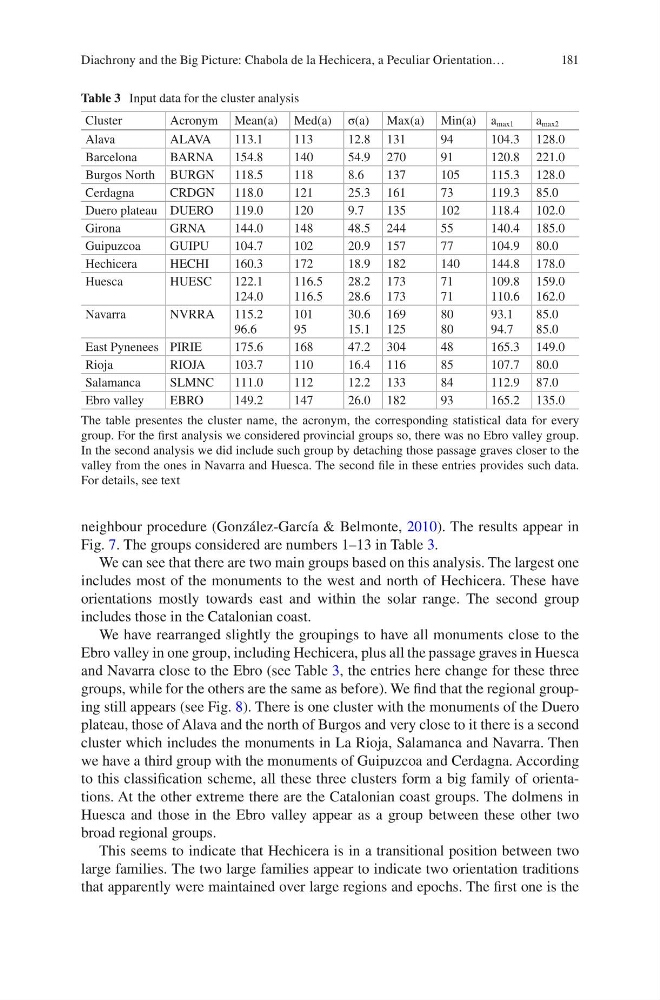
Fig. 7. The groups considered are numbers 1–13 in Table 3.
We can see that there are two main groups based on this analysis. The largest one
includes most of the monuments to the west and north of Hechicera. These have
orientations mostly towards east and within the solar range. The second group
includes those in the Catalonian coast.
We have rearranged slightly the groupings to have all monuments close to the
Ebro valley in one group, including Hechicera, plus all the passage graves in Huesca
and Navarra close to the Ebro (see Table 3, the entries here change for these three
groups, while for the others are the same as before). We find that the regional grouping still appears (see Fig. 8). There is one cluster with the monuments of the Duero
plateau, those of Alava and the north of Burgos and very close to it there is a second
cluster which includes the monuments in La Rioja, Salamanca and Navarra. Then
we have a third group with the monuments of Guipuzcoa and Cerdagna. According
to this classification scheme, all these three clusters form a big family of orientations. At the other extreme there are the Catalonian coast groups. The dolmens in
Huesca and those in the Ebro valley appear as a group between these other two
broad regional groups.
This seems to indicate that Hechicera is in a transitional position between two
large families. The two large families appear to indicate two orientation traditions
that apparently were maintained over large regions and epochs. The first one is the
Table 3 Input data for the cluster analysis
Cluster
Acronym Mean(a) Med(a) σ(a) Max(a) Min(a) a max1
a max2
Alava
ALAVA
113.1
113
12.8 131
94
104.3 128.0
Barcelona
BARNA
154.8
140
54.9 270
91
120.8 221.0
Burgos North BURGN
118.5
118
8.6
137
105
115.3 128.0
Cerdagna
CRDGN
118.0
121
25.3 161
73
119.3 85.0
Duero plateau DUERO
119.0
120
9.7
135
102
118.4 102.0
Girona
GRNA
144.0
148
48.5 244
55
140.4 185.0
Guipuzcoa
GUIPU
104.7
102
20.9 157
77
104.9 80.0
Hechicera
HECHI
160.3
172
18.9 182
140
144.8 178.0
Huesca
HUESC
122.1
124.0
116.5
116.5
28.2
28.6
173
173
71
71
109.8
110.6
159.0
162.0
Navarra
NVRRA
115.2
96.6
101
95
30.6
15.1
169
125
80
80
93.1
94.7
85.0
85.0
East Pynenees PIRIE
175.6
168
47.2 304
48
165.3 149.0
Rioja
RIOJA
103.7
110
16.4 116
85
107.7 80.0
Salamanca
SLMNC
111.0
112
12.2 133
84
112.9 87.0
Ebro valley
EBRO
149.2
147
26.0 182
93
165.2 135.0
The table presentes the cluster name, the acronym, the corresponding statistical data for every
group. For the first analysis we considered provincial groups so, there was no Ebro valley group.
In the second analysis we did include such group by detaching those passage graves closer to the
valley from the ones in Navarra and Huesca. The second file in these entries provides such data.
For details, see text
Diachrony and the Big Picture: Chabola de la Hechicera, a Peculiar Orientation…
neighbour procedure (González-García & Belmonte, 2010). The results appear in
Fig. 7. The groups considered are numbers 1–13 in Table 3.
We can see that there are two main groups based on this analysis. The largest one
includes most of the monuments to the west and north of Hechicera. These have
orientations mostly towards east and within the solar range. The second group
includes those in the Catalonian coast.
We have rearranged slightly the groupings to have all monuments close to the
Ebro valley in one group, including Hechicera, plus all the passage graves in Huesca
and Navarra close to the Ebro (see Table 3, the entries here change for these three
groups, while for the others are the same as before). We find that the regional grouping still appears (see Fig. 8). There is one cluster with the monuments of the Duero
plateau, those of Alava and the north of Burgos and very close to it there is a second
cluster which includes the monuments in La Rioja, Salamanca and Navarra. Then
we have a third group with the monuments of Guipuzcoa and Cerdagna. According
to this classification scheme, all these three clusters form a big family of orientations. At the other extreme there are the Catalonian coast groups. The dolmens in
Huesca and those in the Ebro valley appear as a group between these other two
broad regional groups.
This seems to indicate that Hechicera is in a transitional position between two
large families. The two large families appear to indicate two orientation traditions
that apparently were maintained over large regions and epochs. The first one is the
Table 3 Input data for the cluster analysis
Cluster
Acronym Mean(a) Med(a) σ(a) Max(a) Min(a) a max1
a max2
Alava
ALAVA
113.1
113
12.8 131
94
104.3 128.0
Barcelona
BARNA
154.8
140
54.9 270
91
120.8 221.0
Burgos North BURGN
118.5
118
8.6
137
105
115.3 128.0
Cerdagna
CRDGN
118.0
121
25.3 161
73
119.3 85.0
Duero plateau DUERO
119.0
120
9.7
135
102
118.4 102.0
Girona
GRNA
144.0
148
48.5 244
55
140.4 185.0
Guipuzcoa
GUIPU
104.7
102
20.9 157
77
104.9 80.0
Hechicera
HECHI
160.3
172
18.9 182
140
144.8 178.0
Huesca
HUESC
122.1
124.0
116.5
116.5
28.2
28.6
173
173
71
71
109.8
110.6
159.0
162.0
Navarra
NVRRA
115.2
96.6
101
95
30.6
15.1
169
125
80
80
93.1
94.7
85.0
85.0
East Pynenees PIRIE
175.6
168
47.2 304
48
165.3 149.0
Rioja
RIOJA
103.7
110
16.4 116
85
107.7 80.0
Salamanca
SLMNC
111.0
112
12.2 133
84
112.9 87.0
Ebro valley
EBRO
149.2
147
26.0 182
93
165.2 135.0
The table presentes the cluster name, the acronym, the corresponding statistical data for every
group. For the first analysis we considered provincial groups so, there was no Ebro valley group.
In the second analysis we did include such group by detaching those passage graves closer to the
valley from the ones in Navarra and Huesca. The second file in these entries provides such data.
For details, see text
Diachrony and the Big Picture: Chabola de la Hechicera, a Peculiar Orientation…