

2 Bio-microelectromechanical Systems (BioMEMS) …
61
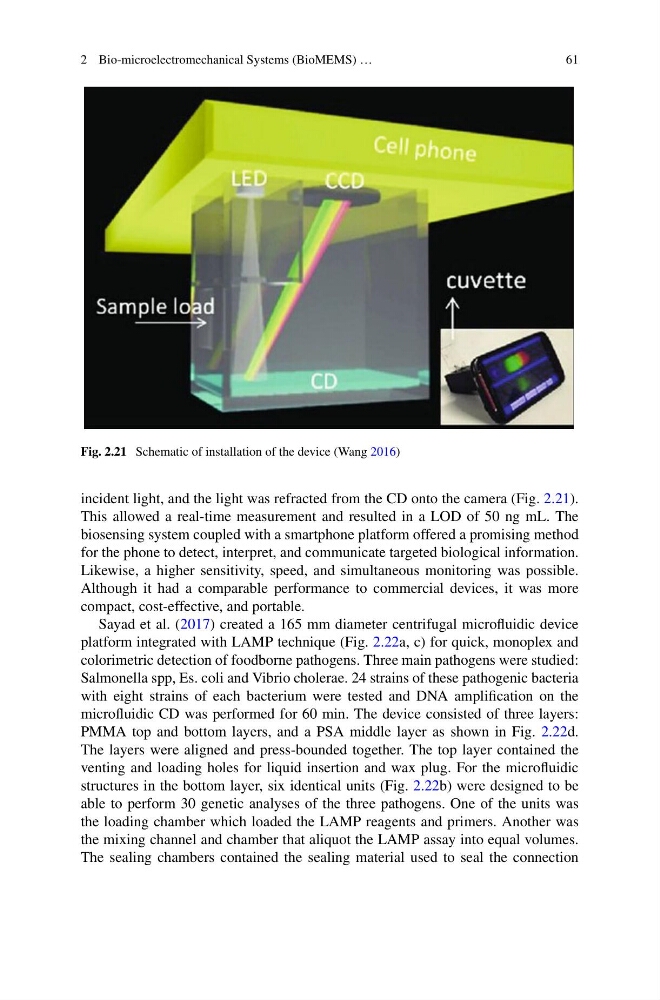
Fig. 2.21 Schematic of installation of the device (Wang 2016)
incident light, and the light was refracted from the CD onto the camera (Fig. 2.21).
This allowed a real-time measurement and resulted in a LOD of 50 ng mL. The
biosensing system coupled with a smartphone platform offered a promising method
for the phone to detect, interpret, and communicate targeted biological information.
Likewise, a higher sensitivity, speed, and simultaneous monitoring was possible.
Although it had a comparable performance to commercial devices, it was more
compact, cost-effective, and portable.
Sayad et al. (2017) created a 165 mm diameter centrifugal microfluidic device
platform integrated with LAMP technique (Fig. 2.22a, c) for quick, monoplex and
colorimetric detection of foodborne pathogens. Three main pathogens were studied:
Salmonella spp, Es. coli and Vibrio cholerae. 24 strains of these pathogenic bacteria
with eight strains of each bacterium were tested and DNA amplification on the
microfluidic CD was performed for 60 min. The device consisted of three layers:
PMMA top and bottom layers, and a PSA middle layer as shown in Fig. 2.22d.
The layers were aligned and press-bounded together. The top layer contained the
venting and loading holes for liquid insertion and wax plug. For the microfluidic
structures in the bottom layer, six identical units (Fig. 2.22b) were designed to be
able to perform 30 genetic analyses of the three pathogens. One of the units was
the loading chamber which loaded the LAMP reagents and primers. Another was
the mixing channel and chamber that aliquot the LAMP assay into equal volumes.
The sealing chambers contained the sealing material used to seal the connection
61
Fig. 2.21 Schematic of installation of the device (Wang 2016)
incident light, and the light was refracted from the CD onto the camera (Fig. 2.21).
This allowed a real-time measurement and resulted in a LOD of 50 ng mL. The
biosensing system coupled with a smartphone platform offered a promising method
for the phone to detect, interpret, and communicate targeted biological information.
Likewise, a higher sensitivity, speed, and simultaneous monitoring was possible.
Although it had a comparable performance to commercial devices, it was more
compact, cost-effective, and portable.
Sayad et al. (2017) created a 165 mm diameter centrifugal microfluidic device
platform integrated with LAMP technique (Fig. 2.22a, c) for quick, monoplex and
colorimetric detection of foodborne pathogens. Three main pathogens were studied:
Salmonella spp, Es. coli and Vibrio cholerae. 24 strains of these pathogenic bacteria
with eight strains of each bacterium were tested and DNA amplification on the
microfluidic CD was performed for 60 min. The device consisted of three layers:
PMMA top and bottom layers, and a PSA middle layer as shown in Fig. 2.22d.
The layers were aligned and press-bounded together. The top layer contained the
venting and loading holes for liquid insertion and wax plug. For the microfluidic
structures in the bottom layer, six identical units (Fig. 2.22b) were designed to be
able to perform 30 genetic analyses of the three pathogens. One of the units was
the loading chamber which loaded the LAMP reagents and primers. Another was
the mixing channel and chamber that aliquot the LAMP assay into equal volumes.
The sealing chambers contained the sealing material used to seal the connection