

6 Bio-microelectromechanical Systems (BioMEMS) …
135
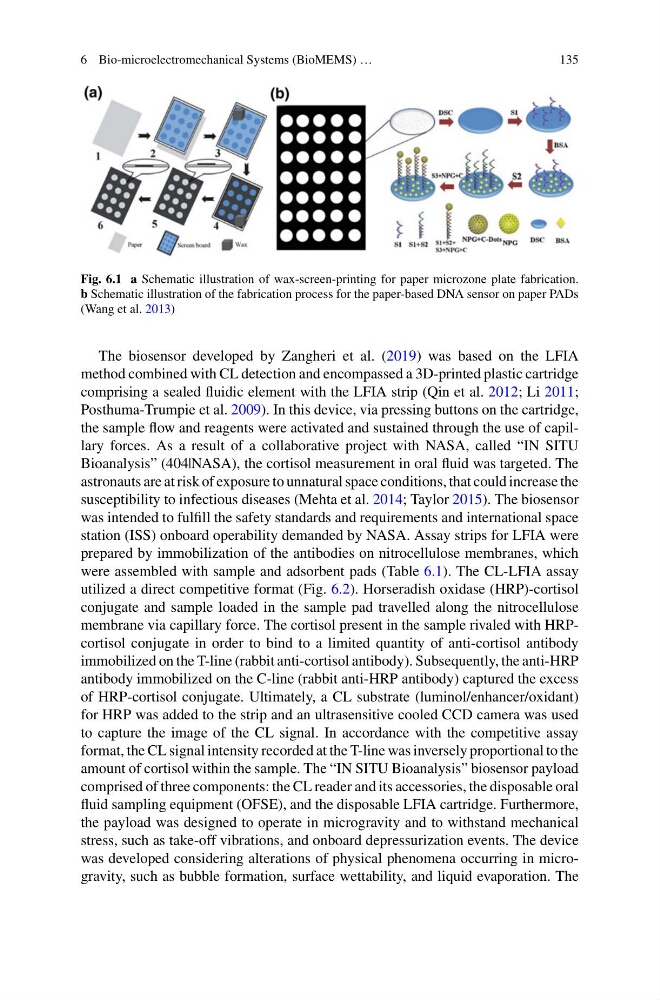
Fig. 6.1 a Schematic illustration of wax-screen-printing for paper microzone plate fabrication.
b Schematic illustration of the fabrication process for the paper-based DNA sensor on paper PADs
(Wang et al. 2013)
The biosensor developed by Zangheri et al. (2019) was based on the LFIA
method combined with CL detection and encompassed a 3D-printed plastic cartridge
comprising a sealed fluidic element with the LFIA strip (Qin et al. 2012; Li 2011;
Posthuma-Trumpie et al. 2009). In this device, via pressing buttons on the cartridge,
the sample flow and reagents were activated and sustained through the use of capillary forces. As a result of a collaborative project with NASA, called “IN SITU
Bioanalysis” (404|NASA), the cortisol measurement in oral fluid was targeted. The
astronauts are at risk of exposure to unnatural space conditions, that could increase the
susceptibility to infectious diseases (Mehta et al. 2014; Taylor 2015). The biosensor
was intended to fulfill the safety standards and requirements and international space
station (ISS) onboard operability demanded by NASA. Assay strips for LFIA were
prepared by immobilization of the antibodies on nitrocellulose membranes, which
were assembled with sample and adsorbent pads (Table 6.1). The CL-LFIA assay
utilized a direct competitive format (Fig. 6.2). Horseradish oxidase (HRP)-cortisol
conjugate and sample loaded in the sample pad travelled along the nitrocellulose
membrane via capillary force. The cortisol present in the sample rivaled with HRPcortisol conjugate in order to bind to a limited quantity of anti-cortisol antibody
immobilized on the T-line (rabbit anti-cortisol antibody). Subsequently, the anti-HRP
antibody immobilized on the C-line (rabbit anti-HRP antibody) captured the excess
of HRP-cortisol conjugate. Ultimately, a CL substrate (luminol/enhancer/oxidant)
for HRP was added to the strip and an ultrasensitive cooled CCD camera was used
to capture the image of the CL signal. In accordance with the competitive assay
format, the CL signal intensity recorded at the T-line was inversely proportional to the
amount of cortisol within the sample. The “IN SITU Bioanalysis” biosensor payload
comprised of three components: the CL reader and its accessories, the disposable oral
fluid sampling equipment (OFSE), and the disposable LFIA cartridge. Furthermore,
the payload was designed to operate in microgravity and to withstand mechanical
stress, such as take-off vibrations, and onboard depressurization events. The device
was developed considering alterations of physical phenomena occurring in microgravity, such as bubble formation, surface wettability, and liquid evaporation. The
135
Fig. 6.1 a Schematic illustration of wax-screen-printing for paper microzone plate fabrication.
b Schematic illustration of the fabrication process for the paper-based DNA sensor on paper PADs
(Wang et al. 2013)
The biosensor developed by Zangheri et al. (2019) was based on the LFIA
method combined with CL detection and encompassed a 3D-printed plastic cartridge
comprising a sealed fluidic element with the LFIA strip (Qin et al. 2012; Li 2011;
Posthuma-Trumpie et al. 2009). In this device, via pressing buttons on the cartridge,
the sample flow and reagents were activated and sustained through the use of capillary forces. As a result of a collaborative project with NASA, called “IN SITU
Bioanalysis” (404|NASA), the cortisol measurement in oral fluid was targeted. The
astronauts are at risk of exposure to unnatural space conditions, that could increase the
susceptibility to infectious diseases (Mehta et al. 2014; Taylor 2015). The biosensor
was intended to fulfill the safety standards and requirements and international space
station (ISS) onboard operability demanded by NASA. Assay strips for LFIA were
prepared by immobilization of the antibodies on nitrocellulose membranes, which
were assembled with sample and adsorbent pads (Table 6.1). The CL-LFIA assay
utilized a direct competitive format (Fig. 6.2). Horseradish oxidase (HRP)-cortisol
conjugate and sample loaded in the sample pad travelled along the nitrocellulose
membrane via capillary force. The cortisol present in the sample rivaled with HRPcortisol conjugate in order to bind to a limited quantity of anti-cortisol antibody
immobilized on the T-line (rabbit anti-cortisol antibody). Subsequently, the anti-HRP
antibody immobilized on the C-line (rabbit anti-HRP antibody) captured the excess
of HRP-cortisol conjugate. Ultimately, a CL substrate (luminol/enhancer/oxidant)
for HRP was added to the strip and an ultrasensitive cooled CCD camera was used
to capture the image of the CL signal. In accordance with the competitive assay
format, the CL signal intensity recorded at the T-line was inversely proportional to the
amount of cortisol within the sample. The “IN SITU Bioanalysis” biosensor payload
comprised of three components: the CL reader and its accessories, the disposable oral
fluid sampling equipment (OFSE), and the disposable LFIA cartridge. Furthermore,
the payload was designed to operate in microgravity and to withstand mechanical
stress, such as take-off vibrations, and onboard depressurization events. The device
was developed considering alterations of physical phenomena occurring in microgravity, such as bubble formation, surface wettability, and liquid evaporation. The