

Closing the Loops in Textile Architecture …
269
3 Textile Architecture Today
Textile architecture and its textile-based construction technology are characterized by
the low weight of the embedded materials: around 0.2–0.5 kg/m
2 for transparent fluorpolymer systems up to 0.5–2 kg/m
2 for multilayer textile membrane systems, working
in extreme loading condition. Fibers and polymer granulates should be combined in
different ways, with the aim to create custom-made materials for textile architecture
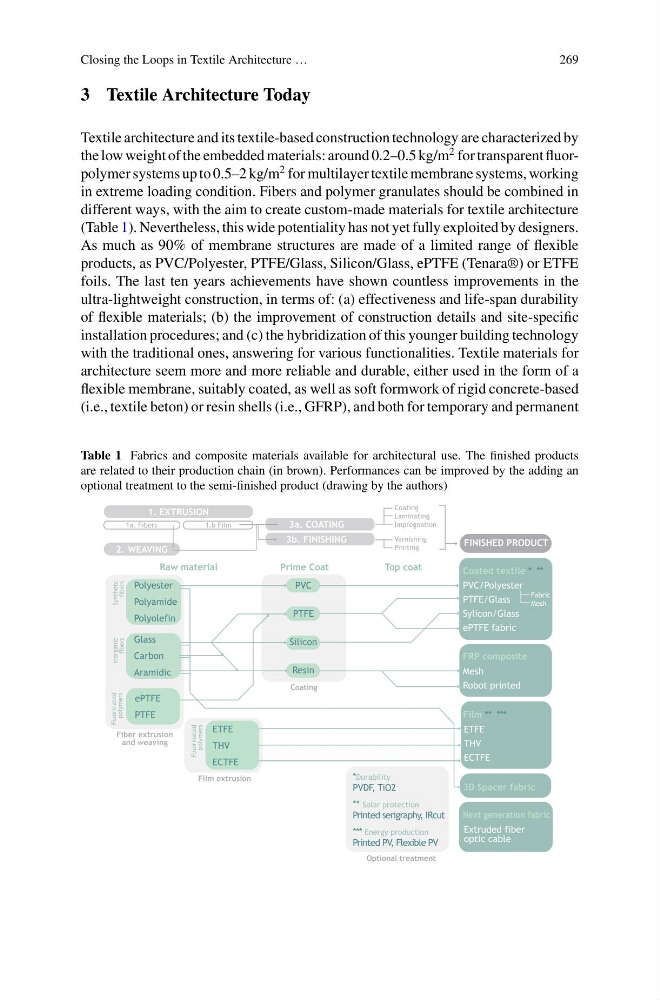
(Table 1). Nevertheless, this wide potentiality has not yet fully exploited by designers.
As much as 90% of membrane structures are made of a limited range of flexible
products, as PVC/Polyester, PTFE/Glass, Silicon/Glass, ePTFE (Tenara®) or ETFE
foils. The last ten years achievements have shown countless improvements in the
ultra-lightweight construction, in terms of: (a) effectiveness and life-span durability
of flexible materials; (b) the improvement of construction details and site-specific
installation procedures; and (c) the hybridization of this younger building technology
with the traditional ones, answering for various functionalities. Textile materials for
architecture seem more and more reliable and durable, either used in the form of a
flexible membrane, suitably coated, as well as soft formwork of rigid concrete-based
(i.e., textile beton) or resin shells (i.e., GFRP), and both for temporary and permanent
Table 1 Fabrics and composite materials available for architectural use. The finished products
are related to their production chain (in brown). Performances can be improved by the adding an
optional treatment to the semi-finished product (drawing by the authors)
269
3 Textile Architecture Today
Textile architecture and its textile-based construction technology are characterized by
the low weight of the embedded materials: around 0.2–0.5 kg/m
2 for transparent fluorpolymer systems up to 0.5–2 kg/m
2 for multilayer textile membrane systems, working
in extreme loading condition. Fibers and polymer granulates should be combined in
different ways, with the aim to create custom-made materials for textile architecture
(Table 1). Nevertheless, this wide potentiality has not yet fully exploited by designers.
As much as 90% of membrane structures are made of a limited range of flexible
products, as PVC/Polyester, PTFE/Glass, Silicon/Glass, ePTFE (Tenara®) or ETFE
foils. The last ten years achievements have shown countless improvements in the
ultra-lightweight construction, in terms of: (a) effectiveness and life-span durability
of flexible materials; (b) the improvement of construction details and site-specific
installation procedures; and (c) the hybridization of this younger building technology
with the traditional ones, answering for various functionalities. Textile materials for
architecture seem more and more reliable and durable, either used in the form of a
flexible membrane, suitably coated, as well as soft formwork of rigid concrete-based
(i.e., textile beton) or resin shells (i.e., GFRP), and both for temporary and permanent
Table 1 Fabrics and composite materials available for architectural use. The finished products
are related to their production chain (in brown). Performances can be improved by the adding an
optional treatment to the semi-finished product (drawing by the authors)