

166
A. Del Bo et al.
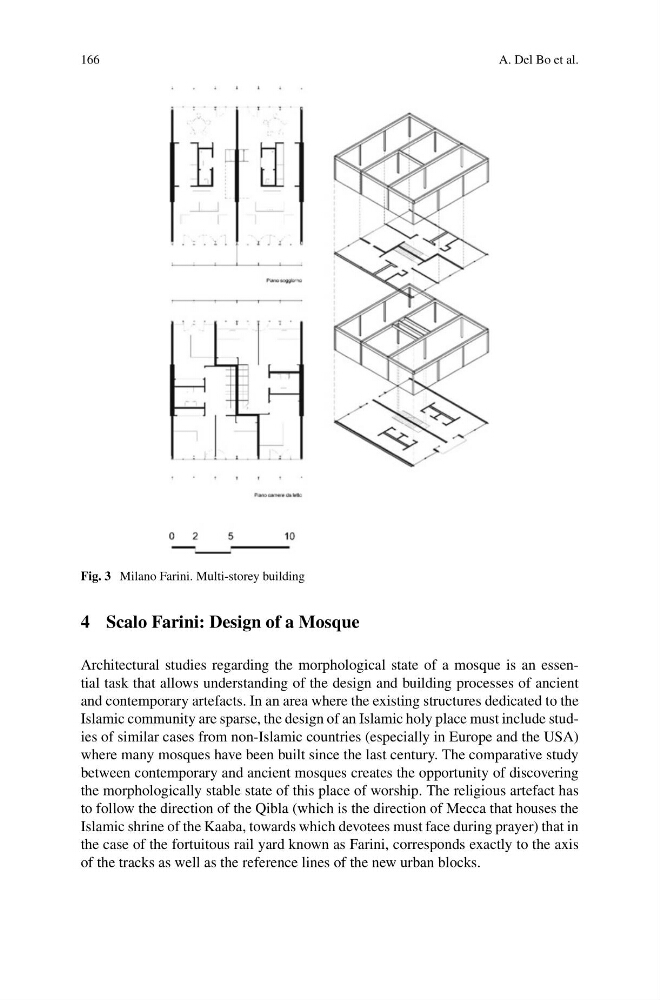
Fig. 3 Milano Farini. Multi-storey building
4 Scalo Farini: Design of a Mosque
Architectural studies regarding the morphological state of a mosque is an essential task that allows understanding of the design and building processes of ancient
and contemporary artefacts. In an area where the existing structures dedicated to the
Islamic community are sparse, the design of an Islamic holy place must include studies of similar cases from non-Islamic countries (especially in Europe and the USA)
where many mosques have been built since the last century. The comparative study
between contemporary and ancient mosques creates the opportunity of discovering
the morphologically stable state of this place of worship. The religious artefact has
to follow the direction of the Qibla (which is the direction of Mecca that houses the
Islamic shrine of the Kaaba, towards which devotees must face during prayer) that in
the case of the fortuitous rail yard known as Farini, corresponds exactly to the axis
of the tracks as well as the reference lines of the new urban blocks.
A. Del Bo et al.
Fig. 3 Milano Farini. Multi-storey building
4 Scalo Farini: Design of a Mosque
Architectural studies regarding the morphological state of a mosque is an essential task that allows understanding of the design and building processes of ancient
and contemporary artefacts. In an area where the existing structures dedicated to the
Islamic community are sparse, the design of an Islamic holy place must include studies of similar cases from non-Islamic countries (especially in Europe and the USA)
where many mosques have been built since the last century. The comparative study
between contemporary and ancient mosques creates the opportunity of discovering
the morphologically stable state of this place of worship. The religious artefact has
to follow the direction of the Qibla (which is the direction of Mecca that houses the
Islamic shrine of the Kaaba, towards which devotees must face during prayer) that in
the case of the fortuitous rail yard known as Farini, corresponds exactly to the axis
of the tracks as well as the reference lines of the new urban blocks.