

120
BE
FR
DE
CH
GB
AT
FI
SI
SE
DK
ES
NO
SK
CZ
LT
LV
HR
BG
RU
Never
0.2% 1.0% 1.1% 1.0% 2.4% 0.7% 1.4% 2.3% 1.5% 2.0% 8.6% 2.0% 6.2% 6.1% 23.7% 23.3% 20.0% 28.1% 61.3%
Sometimes 1.8% 2.8% 3.7% 3.5% 8.8% 6.0% 8.6% 9.9% 7.8% 10.7% 15.4% 11.1% 21.3% 20.6% 33.8% 35.7% 33.5% 34.7% 22.9%
Often
11.0% 15.4% 15.2% 17.6% 15.6% 20.7% 26.2% 25.1% 28.9% 29.3% 20.5% 31.7% 30.4% 32.4% 21.4% 20.8% 30.1% 24.6% 10.0%
Always
87.0% 80.8% 80.1% 77.9% 73.1% 72.6% 63.8% 62.7% 61.8% 58.0% 55.5% 55.2% 42.1% 41.0% 21.1% 20.2% 16.4% 12.7% 5.8%
0.0%
20.0%
40.0%
60.0%
80.0%
100.0%
Recycling behaviours in European countries
Always
Often
Sometimes
Never
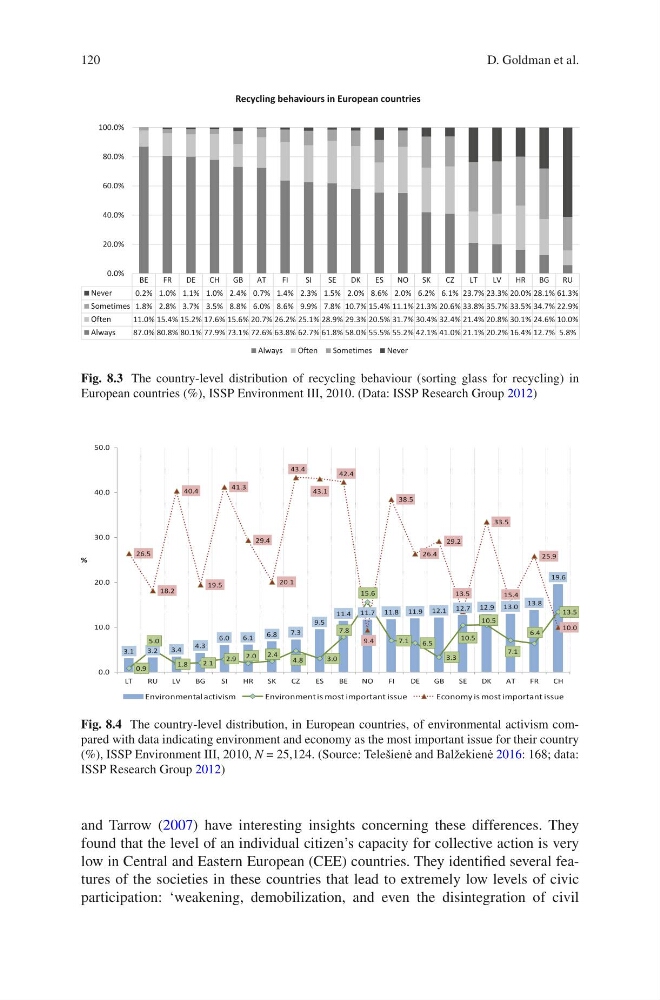
Fig. 8.3 The country-level distribution of recycling behaviour (sorting glass for recycling) in
European countries (%), ISSP Environment III, 2010. (Data: ISSP Research Group 2012)
3.1
3.2
3.4
4.3
6.0
6.1
6.8
7.3
9.5
11.4 11.7 11.8 11.9 12.1 12.7 12.9 13.0
13.8
19.6
0.9
5.0
1.8
2.1
2.9 2.0
2.4
4.8
3.0
7.8
15.6
7.1
6.5
3.3
10.5
10.5
7.1
6.4
13.5
26.5
18.2
40.4
19.5
41.3
29.4
20.1
43.4
43.1
42.4
9.4
38.5
26.4
29.2
13.5
33.5
15.4
25.9
10.0
0.0
10.0
20.0
30.0
40.0
50.0
LT
RU
LV
BG
SI
HR
SK
CZ
ES
BE
NO
FI
DE
GB
SE
DK
AT
FR
CH
%
Environmental activism
Environment is most important issue
Economy is most important issue
Fig. 8.4 The country-level distribution, in European countries, of environmental activism compared with data indicating environment and economy as the most important issue for their country
(%), ISSP Environment III, 2010, N = 25,124. (Source: Telešienė and Balžekienė 2016: 168; data:
ISSP Research Group 2012)
and Tarrow (2007) have interesting insights concerning these differences. They
found that the level of an individual citizen’s capacity for collective action is very
low in Central and Eastern European (CEE) countries. They identified several features of the societies in these countries that lead to extremely low levels of civic
participation: ‘weakening, demobilization, and even the disintegration of civil
D. Goldman et al.
BE
FR
DE
CH
GB
AT
FI
SI
SE
DK
ES
NO
SK
CZ
LT
LV
HR
BG
RU
Never
0.2% 1.0% 1.1% 1.0% 2.4% 0.7% 1.4% 2.3% 1.5% 2.0% 8.6% 2.0% 6.2% 6.1% 23.7% 23.3% 20.0% 28.1% 61.3%
Sometimes 1.8% 2.8% 3.7% 3.5% 8.8% 6.0% 8.6% 9.9% 7.8% 10.7% 15.4% 11.1% 21.3% 20.6% 33.8% 35.7% 33.5% 34.7% 22.9%
Often
11.0% 15.4% 15.2% 17.6% 15.6% 20.7% 26.2% 25.1% 28.9% 29.3% 20.5% 31.7% 30.4% 32.4% 21.4% 20.8% 30.1% 24.6% 10.0%
Always
87.0% 80.8% 80.1% 77.9% 73.1% 72.6% 63.8% 62.7% 61.8% 58.0% 55.5% 55.2% 42.1% 41.0% 21.1% 20.2% 16.4% 12.7% 5.8%
0.0%
20.0%
40.0%
60.0%
80.0%
100.0%
Recycling behaviours in European countries
Always
Often
Sometimes
Never
Fig. 8.3 The country-level distribution of recycling behaviour (sorting glass for recycling) in
European countries (%), ISSP Environment III, 2010. (Data: ISSP Research Group 2012)
3.1
3.2
3.4
4.3
6.0
6.1
6.8
7.3
9.5
11.4 11.7 11.8 11.9 12.1 12.7 12.9 13.0
13.8
19.6
0.9
5.0
1.8
2.1
2.9 2.0
2.4
4.8
3.0
7.8
15.6
7.1
6.5
3.3
10.5
10.5
7.1
6.4
13.5
26.5
18.2
40.4
19.5
41.3
29.4
20.1
43.4
43.1
42.4
9.4
38.5
26.4
29.2
13.5
33.5
15.4
25.9
10.0
0.0
10.0
20.0
30.0
40.0
50.0
LT
RU
LV
BG
SI
HR
SK
CZ
ES
BE
NO
FI
DE
GB
SE
DK
AT
FR
CH
%
Environmental activism
Environment is most important issue
Economy is most important issue
Fig. 8.4 The country-level distribution, in European countries, of environmental activism compared with data indicating environment and economy as the most important issue for their country
(%), ISSP Environment III, 2010, N = 25,124. (Source: Telešienė and Balžekienė 2016: 168; data:
ISSP Research Group 2012)
and Tarrow (2007) have interesting insights concerning these differences. They
found that the level of an individual citizen’s capacity for collective action is very
low in Central and Eastern European (CEE) countries. They identified several features of the societies in these countries that lead to extremely low levels of civic
participation: ‘weakening, demobilization, and even the disintegration of civil
D. Goldman et al.