

368
11 Landing Gear Technology of Lunar Lander
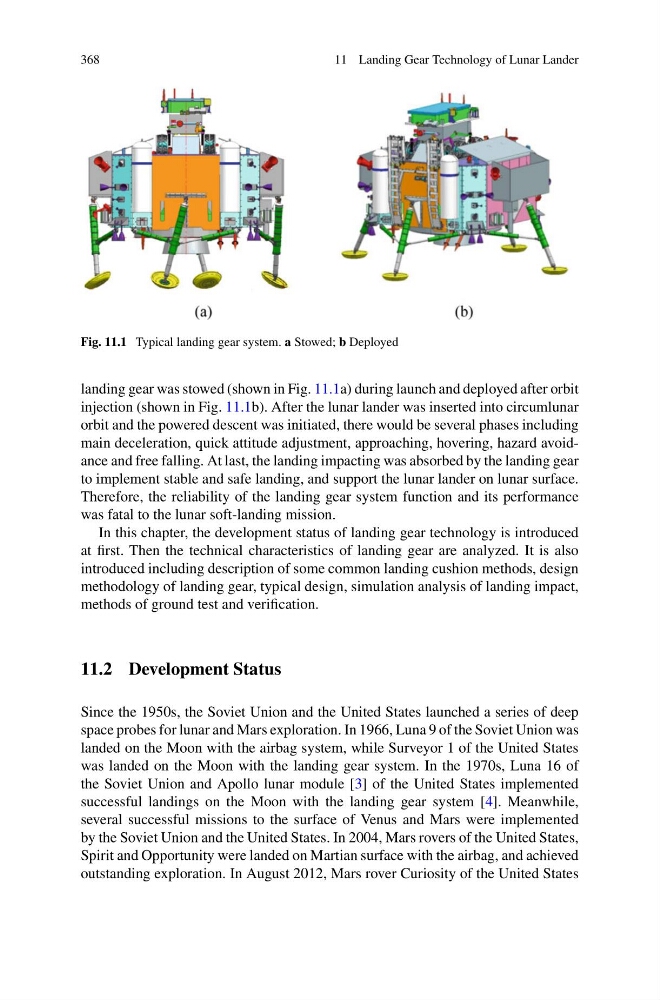
Fig. 11.1 Typical landing gear system. a Stowed; b Deployed
landing gear was stowed (shown in Fig. 11.1a) during launch and deployed after orbit
injection (shown in Fig. 11.1b). After the lunar lander was inserted into circumlunar
orbit and the powered descent was initiated, there would be several phases including
main deceleration, quick attitude adjustment, approaching, hovering, hazard avoidance and free falling. At last, the landing impacting was absorbed by the landing gear
to implement stable and safe landing, and support the lunar lander on lunar surface.
Therefore, the reliability of the landing gear system function and its performance
was fatal to the lunar soft-landing mission.
In this chapter, the development status of landing gear technology is introduced
at first. Then the technical characteristics of landing gear are analyzed. It is also
introduced including description of some common landing cushion methods, design
methodology of landing gear, typical design, simulation analysis of landing impact,
methods of ground test and verification.
11.2 Development Status
Since the 1950s, the Soviet Union and the United States launched a series of deep
space probes for lunar and Mars exploration. In 1966, Luna 9 of the Soviet Union was
landed on the Moon with the airbag system, while Surveyor 1 of the United States
was landed on the Moon with the landing gear system. In the 1970s, Luna 16 of
the Soviet Union and Apollo lunar module [3] of the United States implemented
successful landings on the Moon with the landing gear system [4]. Meanwhile,
several successful missions to the surface of Venus and Mars were implemented
by the Soviet Union and the United States. In 2004, Mars rovers of the United States,
Spirit and Opportunity were landed on Martian surface with the airbag, and achieved
outstanding exploration. In August 2012, Mars rover Curiosity of the United States
11 Landing Gear Technology of Lunar Lander
Fig. 11.1 Typical landing gear system. a Stowed; b Deployed
landing gear was stowed (shown in Fig. 11.1a) during launch and deployed after orbit
injection (shown in Fig. 11.1b). After the lunar lander was inserted into circumlunar
orbit and the powered descent was initiated, there would be several phases including
main deceleration, quick attitude adjustment, approaching, hovering, hazard avoidance and free falling. At last, the landing impacting was absorbed by the landing gear
to implement stable and safe landing, and support the lunar lander on lunar surface.
Therefore, the reliability of the landing gear system function and its performance
was fatal to the lunar soft-landing mission.
In this chapter, the development status of landing gear technology is introduced
at first. Then the technical characteristics of landing gear are analyzed. It is also
introduced including description of some common landing cushion methods, design
methodology of landing gear, typical design, simulation analysis of landing impact,
methods of ground test and verification.
11.2 Development Status
Since the 1950s, the Soviet Union and the United States launched a series of deep
space probes for lunar and Mars exploration. In 1966, Luna 9 of the Soviet Union was
landed on the Moon with the airbag system, while Surveyor 1 of the United States
was landed on the Moon with the landing gear system. In the 1970s, Luna 16 of
the Soviet Union and Apollo lunar module [3] of the United States implemented
successful landings on the Moon with the landing gear system [4]. Meanwhile,
several successful missions to the surface of Venus and Mars were implemented
by the Soviet Union and the United States. In 2004, Mars rovers of the United States,
Spirit and Opportunity were landed on Martian surface with the airbag, and achieved
outstanding exploration. In August 2012, Mars rover Curiosity of the United States