

5.4 Design Methodology
171
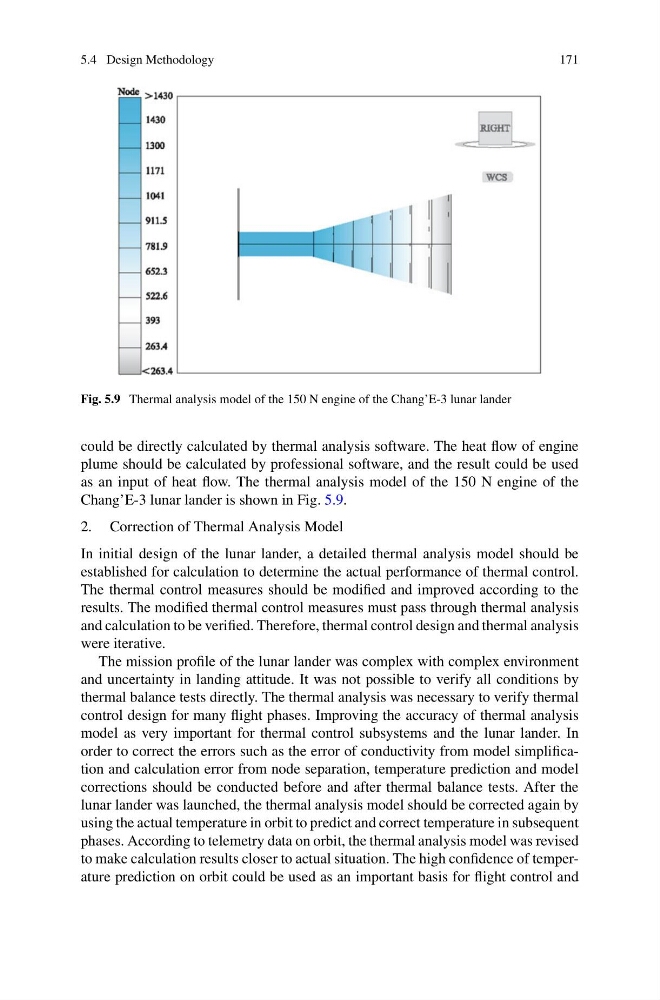
Fig. 5.9 Thermal analysis model of the 150 N engine of the Chang’E-3 lunar lander
could be directly calculated by thermal analysis software. The heat flow of engine
plume should be calculated by professional software, and the result could be used
as an input of heat flow. The thermal analysis model of the 150 N engine of the
Chang’E-3 lunar lander is shown in Fig. 5.9.
2. Correction of Thermal Analysis Model
In initial design of the lunar lander, a detailed thermal analysis model should be
established for calculation to determine the actual performance of thermal control.
The thermal control measures should be modified and improved according to the
results. The modified thermal control measures must pass through thermal analysis
and calculation to be verified. Therefore, thermal control design and thermal analysis
were iterative.
The mission profile of the lunar lander was complex with complex environment
and uncertainty in landing attitude. It was not possible to verify all conditions by
thermal balance tests directly. The thermal analysis was necessary to verify thermal
control design for many flight phases. Improving the accuracy of thermal analysis
model as very important for thermal control subsystems and the lunar lander. In
order to correct the errors such as the error of conductivity from model simplification and calculation error from node separation, temperature prediction and model
corrections should be conducted before and after thermal balance tests. After the
lunar lander was launched, the thermal analysis model should be corrected again by
using the actual temperature in orbit to predict and correct temperature in subsequent
phases. According to telemetry data on orbit, the thermal analysis model was revised
to make calculation results closer to actual situation. The high confidence of temperature prediction on orbit could be used as an important basis for flight control and
171
Fig. 5.9 Thermal analysis model of the 150 N engine of the Chang’E-3 lunar lander
could be directly calculated by thermal analysis software. The heat flow of engine
plume should be calculated by professional software, and the result could be used
as an input of heat flow. The thermal analysis model of the 150 N engine of the
Chang’E-3 lunar lander is shown in Fig. 5.9.
2. Correction of Thermal Analysis Model
In initial design of the lunar lander, a detailed thermal analysis model should be
established for calculation to determine the actual performance of thermal control.
The thermal control measures should be modified and improved according to the
results. The modified thermal control measures must pass through thermal analysis
and calculation to be verified. Therefore, thermal control design and thermal analysis
were iterative.
The mission profile of the lunar lander was complex with complex environment
and uncertainty in landing attitude. It was not possible to verify all conditions by
thermal balance tests directly. The thermal analysis was necessary to verify thermal
control design for many flight phases. Improving the accuracy of thermal analysis
model as very important for thermal control subsystems and the lunar lander. In
order to correct the errors such as the error of conductivity from model simplification and calculation error from node separation, temperature prediction and model
corrections should be conducted before and after thermal balance tests. After the
lunar lander was launched, the thermal analysis model should be corrected again by
using the actual temperature in orbit to predict and correct temperature in subsequent
phases. According to telemetry data on orbit, the thermal analysis model was revised
to make calculation results closer to actual situation. The high confidence of temperature prediction on orbit could be used as an important basis for flight control and