

170
5 Thermal Control Technology of Lunar Lander
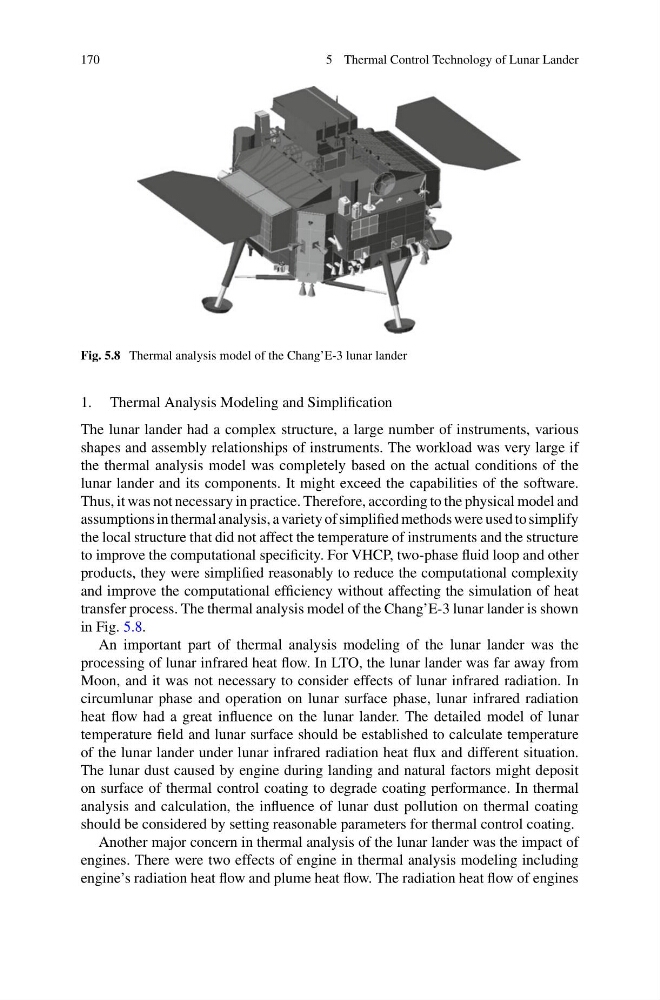
Fig. 5.8 Thermal analysis model of the Chang’E-3 lunar lander
1. Thermal Analysis Modeling and Simplification
The lunar lander had a complex structure, a large number of instruments, various
shapes and assembly relationships of instruments. The workload was very large if
the thermal analysis model was completely based on the actual conditions of the
lunar lander and its components. It might exceed the capabilities of the software.
Thus, it was not necessary in practice. Therefore, according to the physical model and
assumptions in thermal analysis, a variety of simplified methods were used to simplify
the local structure that did not affect the temperature of instruments and the structure
to improve the computational specificity. For VHCP, two-phase fluid loop and other
products, they were simplified reasonably to reduce the computational complexity
and improve the computational efficiency without affecting the simulation of heat
transfer process. The thermal analysis model of the Chang’E-3 lunar lander is shown
in Fig. 5.8.
An important part of thermal analysis modeling of the lunar lander was the
processing of lunar infrared heat flow. In LTO, the lunar lander was far away from
Moon, and it was not necessary to consider effects of lunar infrared radiation. In
circumlunar phase and operation on lunar surface phase, lunar infrared radiation
heat flow had a great influence on the lunar lander. The detailed model of lunar
temperature field and lunar surface should be established to calculate temperature
of the lunar lander under lunar infrared radiation heat flux and different situation.
The lunar dust caused by engine during landing and natural factors might deposit
on surface of thermal control coating to degrade coating performance. In thermal
analysis and calculation, the influence of lunar dust pollution on thermal coating
should be considered by setting reasonable parameters for thermal control coating.
Another major concern in thermal analysis of the lunar lander was the impact of
engines. There were two effects of engine in thermal analysis modeling including
engine’s radiation heat flow and plume heat flow. The radiation heat flow of engines
5 Thermal Control Technology of Lunar Lander
Fig. 5.8 Thermal analysis model of the Chang’E-3 lunar lander
1. Thermal Analysis Modeling and Simplification
The lunar lander had a complex structure, a large number of instruments, various
shapes and assembly relationships of instruments. The workload was very large if
the thermal analysis model was completely based on the actual conditions of the
lunar lander and its components. It might exceed the capabilities of the software.
Thus, it was not necessary in practice. Therefore, according to the physical model and
assumptions in thermal analysis, a variety of simplified methods were used to simplify
the local structure that did not affect the temperature of instruments and the structure
to improve the computational specificity. For VHCP, two-phase fluid loop and other
products, they were simplified reasonably to reduce the computational complexity
and improve the computational efficiency without affecting the simulation of heat
transfer process. The thermal analysis model of the Chang’E-3 lunar lander is shown
in Fig. 5.8.
An important part of thermal analysis modeling of the lunar lander was the
processing of lunar infrared heat flow. In LTO, the lunar lander was far away from
Moon, and it was not necessary to consider effects of lunar infrared radiation. In
circumlunar phase and operation on lunar surface phase, lunar infrared radiation
heat flow had a great influence on the lunar lander. The detailed model of lunar
temperature field and lunar surface should be established to calculate temperature
of the lunar lander under lunar infrared radiation heat flux and different situation.
The lunar dust caused by engine during landing and natural factors might deposit
on surface of thermal control coating to degrade coating performance. In thermal
analysis and calculation, the influence of lunar dust pollution on thermal coating
should be considered by setting reasonable parameters for thermal control coating.
Another major concern in thermal analysis of the lunar lander was the impact of
engines. There were two effects of engine in thermal analysis modeling including
engine’s radiation heat flow and plume heat flow. The radiation heat flow of engines