

7.5 RECENT AND FUTURE FLIGHTS
7.5.1 Flights 2017-2023
2020
Through the first quarter of 2020, there were 14 flights, all but one of which were
for Project Loon from either Ceiba in Puerto Rico or Winnemucca, NV. The one
flight from McMurdo Station in Antarctica was the Balloon-borne Large Aperture
Submillimeter Telescope (BLAST-TNG) which was launched on January 6, 2020.
The payload functioned flawlessly and provided the first-ever observations using
microwave kinetic inductance detectors (MKID) from a balloon platform. After
achieving a float altitude of 36 km (119,000 ft), the balloon started to move anticlockwise above the Antarctic Plateau. Unfortunately, 9 hours into the flight the
team discovered they had lost their ability to point the instrument as desired. The
decision was made to terminate the mission as soon as it reached a safe place for
recovery. The instrument and balloon were separated on January 7. The payload
was recovered and returned to McMurdo Station for post-flight data analysis.
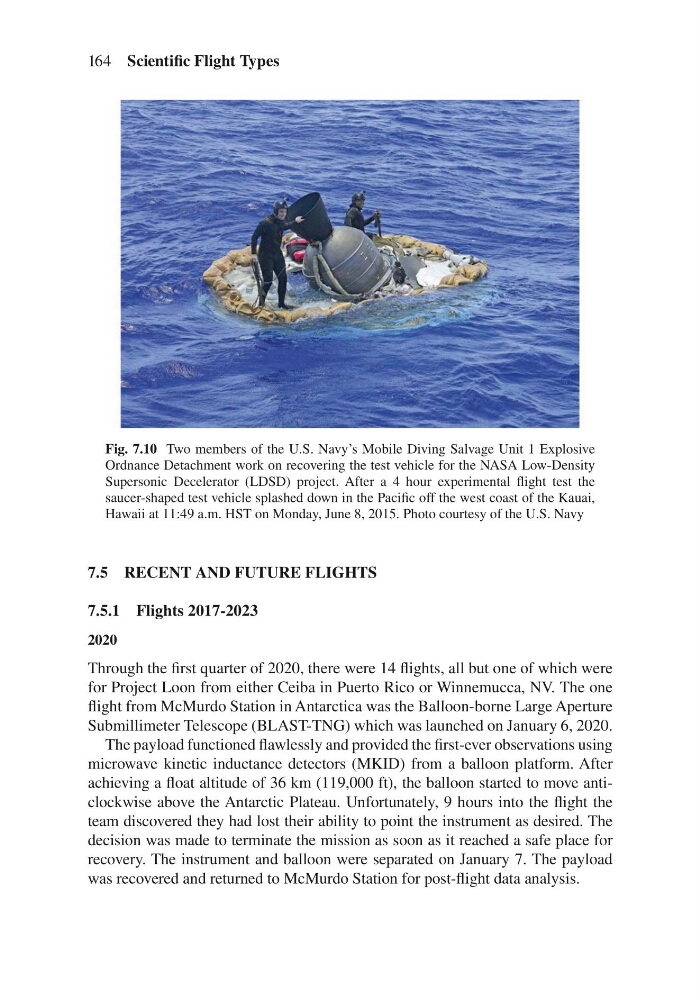
Fig. 7.10 Two members of the U.S. Navy’s Mobile Diving Salvage Unit 1 Explosive
Ordnance Detachment work on recovering the test vehicle for the NASA Low-Density
Supersonic Decelerator (LDSD) project. After a 4 hour experimental flight test the
saucer- shaped test vehicle splashed down in the Pacific off the west coast of the Kauai,
Hawaii at 11:49 a.m. HST on Monday, June 8, 2015. Photo courtesy of the U.S. Navy
164 Scientific Flight Types
7.5.1 Flights 2017-2023
2020
Through the first quarter of 2020, there were 14 flights, all but one of which were
for Project Loon from either Ceiba in Puerto Rico or Winnemucca, NV. The one
flight from McMurdo Station in Antarctica was the Balloon-borne Large Aperture
Submillimeter Telescope (BLAST-TNG) which was launched on January 6, 2020.
The payload functioned flawlessly and provided the first-ever observations using
microwave kinetic inductance detectors (MKID) from a balloon platform. After
achieving a float altitude of 36 km (119,000 ft), the balloon started to move anticlockwise above the Antarctic Plateau. Unfortunately, 9 hours into the flight the
team discovered they had lost their ability to point the instrument as desired. The
decision was made to terminate the mission as soon as it reached a safe place for
recovery. The instrument and balloon were separated on January 7. The payload
was recovered and returned to McMurdo Station for post-flight data analysis.
Fig. 7.10 Two members of the U.S. Navy’s Mobile Diving Salvage Unit 1 Explosive
Ordnance Detachment work on recovering the test vehicle for the NASA Low-Density
Supersonic Decelerator (LDSD) project. After a 4 hour experimental flight test the
saucer- shaped test vehicle splashed down in the Pacific off the west coast of the Kauai,
Hawaii at 11:49 a.m. HST on Monday, June 8, 2015. Photo courtesy of the U.S. Navy
164 Scientific Flight Types