

coordinated with local air traffic control, and flight systems land safely in these
pre-selected zones.
Recovered balloons are laid out on a giant scanner and inspected for microscopic
holes and tears. This process monitors how the balloons react to conditions in the
stratosphere. This ongoing analysis provides insights that further inform Loon’s
design choices and enable it to develop balloons for ever-longer flight durations.
5.1.3 Software
The basic challenge the Google/Loon software engineers had to solve was using
an object drifting in the stratosphere to provide high speed internet to people on
the ground who might be in motion. One thinks of linking to high speed internet
via plug-in optical fiber, via Wi-Fi to a fixed location, or via a cell tower. A user
may be driving a car but the cell towers are fixed and they simply hand over the
signal to the next tower, providing the appearance of a seamless communications
link. What was needed therefore, was a system that had the unique characteristic
to virtually control a network that simultaneously shifts a floating cell tower and
the end user’s receiving device.
The Loon software engineers and systems engineers took the system concept of
setting up a communication link between a ground station with an ISP connection
to a Loon balloon, which then transfers that link to other balloons using antennas
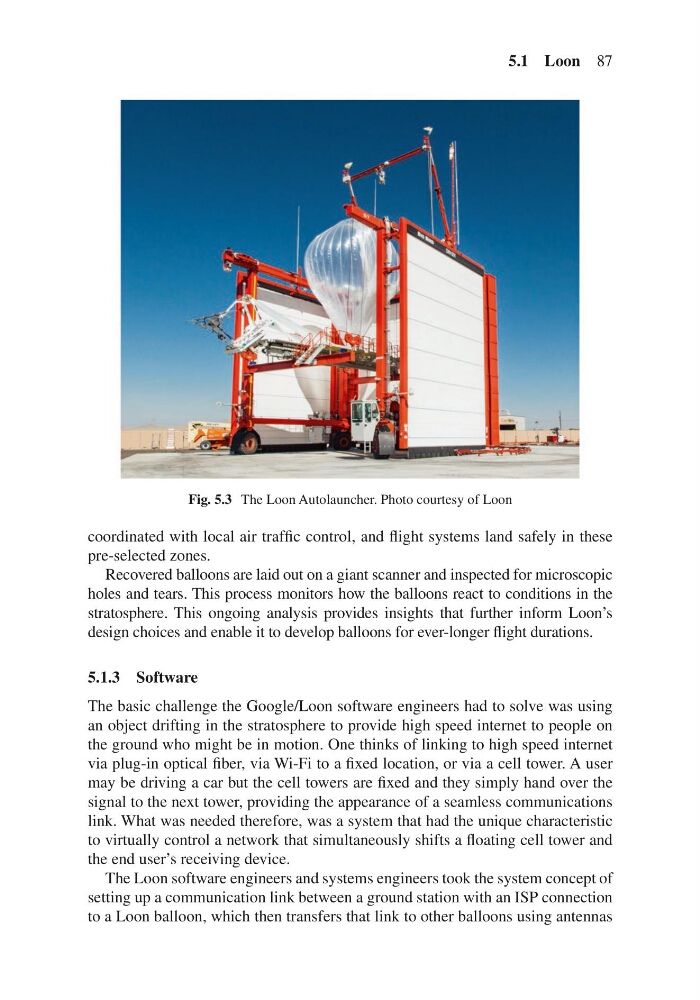
Fig. 5.3 The Loon Autolauncher. Photo courtesy of Loon
5.1 Loon 87
pre-selected zones.
Recovered balloons are laid out on a giant scanner and inspected for microscopic
holes and tears. This process monitors how the balloons react to conditions in the
stratosphere. This ongoing analysis provides insights that further inform Loon’s
design choices and enable it to develop balloons for ever-longer flight durations.
5.1.3 Software
The basic challenge the Google/Loon software engineers had to solve was using
an object drifting in the stratosphere to provide high speed internet to people on
the ground who might be in motion. One thinks of linking to high speed internet
via plug-in optical fiber, via Wi-Fi to a fixed location, or via a cell tower. A user
may be driving a car but the cell towers are fixed and they simply hand over the
signal to the next tower, providing the appearance of a seamless communications
link. What was needed therefore, was a system that had the unique characteristic
to virtually control a network that simultaneously shifts a floating cell tower and
the end user’s receiving device.
The Loon software engineers and systems engineers took the system concept of
setting up a communication link between a ground station with an ISP connection
to a Loon balloon, which then transfers that link to other balloons using antennas
Fig. 5.3 The Loon Autolauncher. Photo courtesy of Loon
5.1 Loon 87