

41
As described in the chapter, the three most relevant components of UGI (i.e. tree
canopy coverage, soil cover, and size) do not equally determine the cooling capacity. Generally, the most important component is size, followed by tree canopy coverage and lastly soil cover. Similarly, the climatic region of the study area is very
important in determining the decrease in air temperature (°C) provided by UGI. In
particular, it was noted how a given UGI, with a specific class of cooling capacity,
implies a different air temperature reduction depending on the climatic region. In
the Mediterranean region, the same UGI can lower the temperature more effectively
than in Atlantic or Continental regions, with the consequent different investment
implications from a practical point of view.
The application to the city of Amsterdam demonstrated that the proposed
approach requires only a limited set of input data, generally easy to obtain, to provide an overall cooling capacity assessment of the UGI. Several practical insights
emerge from the case study application that are related to the different effects of the
components in different conditions. For example, shading is more important in
small areas than in large areas, making the increase of tree canopy coverage particularly interesting for small green spaces, especially compared to soil cover
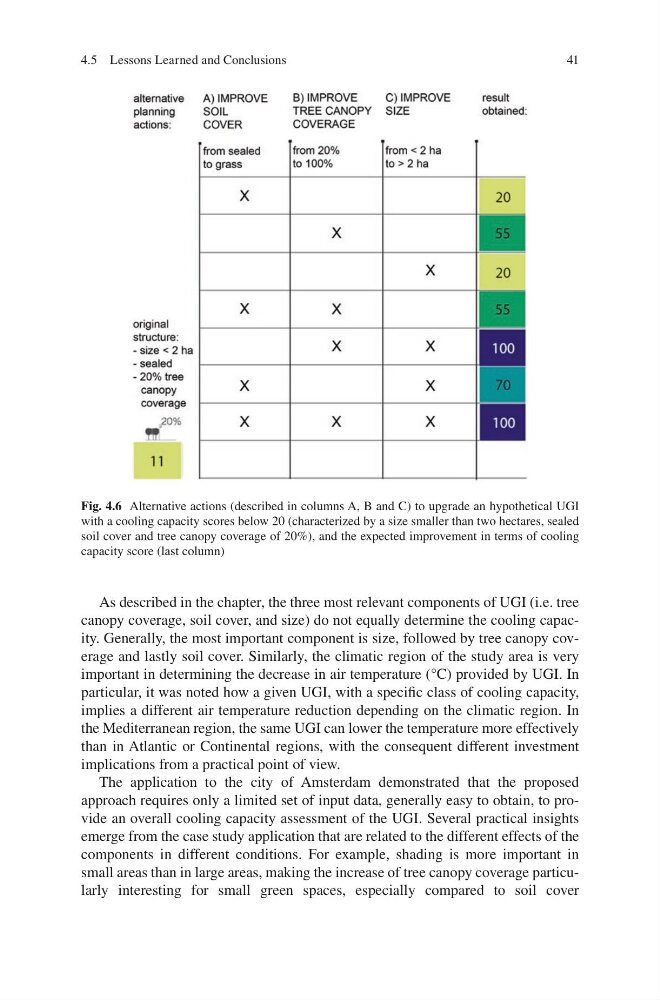
Fig. 4.6 Alternative actions (described in columns A, B and C) to upgrade an hypothetical UGI
with a cooling capacity scores below 20 (characterized by a size smaller than two hectares, sealed
soil cover and tree canopy coverage of 20%), and the expected improvement in terms of cooling
capacity score (last column)
4.5 Lessons Learned and Conclusions
As described in the chapter, the three most relevant components of UGI (i.e. tree
canopy coverage, soil cover, and size) do not equally determine the cooling capacity. Generally, the most important component is size, followed by tree canopy coverage and lastly soil cover. Similarly, the climatic region of the study area is very
important in determining the decrease in air temperature (°C) provided by UGI. In
particular, it was noted how a given UGI, with a specific class of cooling capacity,
implies a different air temperature reduction depending on the climatic region. In
the Mediterranean region, the same UGI can lower the temperature more effectively
than in Atlantic or Continental regions, with the consequent different investment
implications from a practical point of view.
The application to the city of Amsterdam demonstrated that the proposed
approach requires only a limited set of input data, generally easy to obtain, to provide an overall cooling capacity assessment of the UGI. Several practical insights
emerge from the case study application that are related to the different effects of the
components in different conditions. For example, shading is more important in
small areas than in large areas, making the increase of tree canopy coverage particularly interesting for small green spaces, especially compared to soil cover
Fig. 4.6 Alternative actions (described in columns A, B and C) to upgrade an hypothetical UGI
with a cooling capacity scores below 20 (characterized by a size smaller than two hectares, sealed
soil cover and tree canopy coverage of 20%), and the expected improvement in terms of cooling
capacity score (last column)
4.5 Lessons Learned and Conclusions