

17
Table 2.4 (continued)
Urban ES and related actions
Number of
plans
Air purification
Realization of green barriers/areas for air purification from traffic emissions
15
Realization of green barriers/areas for air purification from industrial emissions 13
Creation of woodlands and urban forests
5
Generic use of green for air purification
4
Conservation of existing green areas
4
Realization of green roofs and green walls
4
Moderation of environmental extremes
Enlargement of river areas and conservation/reclamation of floodplains
8
Waste treatment
Climate regulation
Realization of Kyoto-forests and new woodlands
8
Increase of public green areas
5
Recreation
Realization of new public green spaces and urban parks
16
Strengthening walking and cycling accessibility among green areas and with the
rest of the city
16
Increasing fruition of green spaces through new walking and cycling paths
14
Restoration of existing green areas aimed at increasing their use
14
Promotion of new functions and uses in the existing green spaces
12
Enlargement of existing green spaces
8
Identification of opportunities for recreation in agricultural areas
8
Realization of peri-urban parks
7
Opening of existing private/unused gardens and green spaces to public use
6
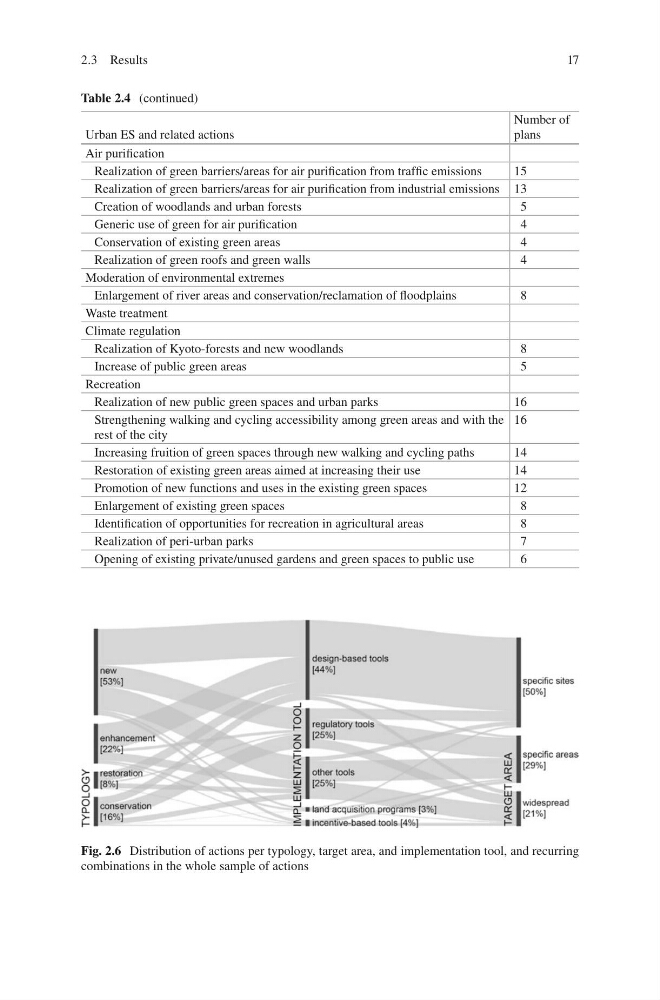
Fig. 2.6 Distribution of actions per typology, target area, and implementation tool, and recurring
combinations in the whole sample of actions
2.3 Results
Table 2.4 (continued)
Urban ES and related actions
Number of
plans
Air purification
Realization of green barriers/areas for air purification from traffic emissions
15
Realization of green barriers/areas for air purification from industrial emissions 13
Creation of woodlands and urban forests
5
Generic use of green for air purification
4
Conservation of existing green areas
4
Realization of green roofs and green walls
4
Moderation of environmental extremes
Enlargement of river areas and conservation/reclamation of floodplains
8
Waste treatment
Climate regulation
Realization of Kyoto-forests and new woodlands
8
Increase of public green areas
5
Recreation
Realization of new public green spaces and urban parks
16
Strengthening walking and cycling accessibility among green areas and with the
rest of the city
16
Increasing fruition of green spaces through new walking and cycling paths
14
Restoration of existing green areas aimed at increasing their use
14
Promotion of new functions and uses in the existing green spaces
12
Enlargement of existing green spaces
8
Identification of opportunities for recreation in agricultural areas
8
Realization of peri-urban parks
7
Opening of existing private/unused gardens and green spaces to public use
6
Fig. 2.6 Distribution of actions per typology, target area, and implementation tool, and recurring
combinations in the whole sample of actions
2.3 Results