

16
Table 2.4 Groups of actions based on the type of intervention proposed. Only actions recurring in
more than three plans are reported
Urban ES and related actions
Number of
plans
Food supply
Realization of new allotment gardens
6
Conservation of existing allotment gardens and residual agricultural patches
4
Water flow regulation and runoff mitigation
Prescription of a minimum share of unsealed surfaces to maintain in new
developments
14
Prescription of permeable pavements for parking areas, cycling paths, etc.
9
Realization of green roofs
6
Realization of bio-retention basins or other ecosystem-based approaches to
storm-water management
6
De-paving
5
Urban temperature regulation
Provision of trees to shade parking areas
10
Creation of new green areas/enlargement of existing green areas
7
Noise reduction
Realization of green barriers/areas for noise shielding from infrastructures
15
Realization of green barriers/areas for noise shielding from factories and plants 15
Soil modeling for noise protection
4
Generic use of green for noise shielding
4
(continued)
0
20
40
60
80
100
120
140
160
180
200
a
b
c
d
e
f
g
h
i
number of actions
ecosystem service
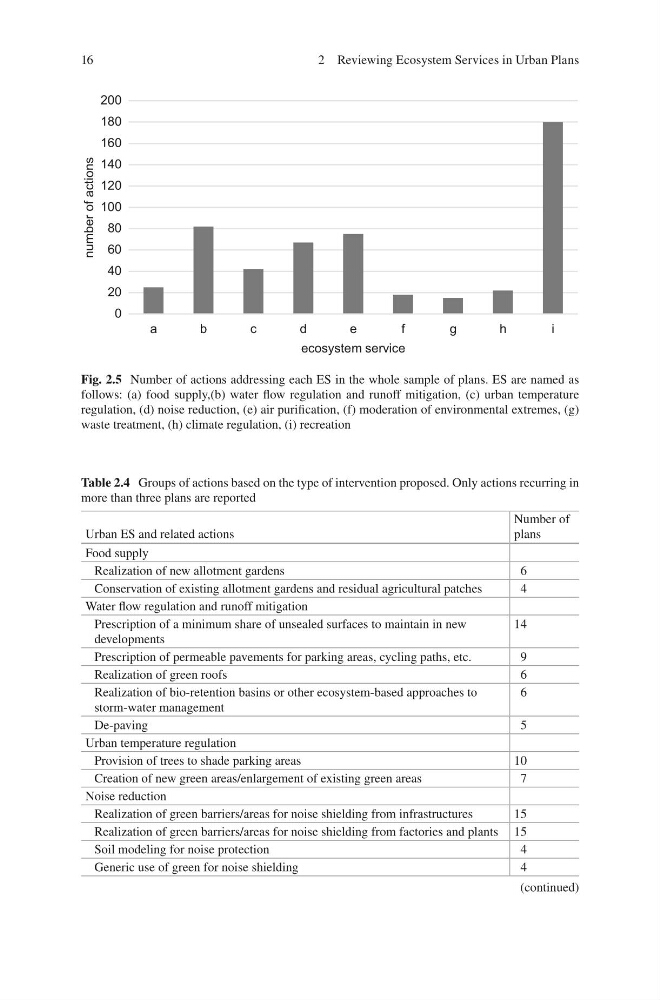
Fig. 2.5 Number of actions addressing each ES in the whole sample of plans. ES are named as
follows: (a) food supply,(b) water flow regulation and runoff mitigation, (c) urban temperature
regulation, (d) noise reduction, (e) air purification, (f) moderation of environmental extremes, (g)
waste treatment, (h) climate regulation, (i) recreation
2 Reviewing Ecosystem Services in Urban Plans
Table 2.4 Groups of actions based on the type of intervention proposed. Only actions recurring in
more than three plans are reported
Urban ES and related actions
Number of
plans
Food supply
Realization of new allotment gardens
6
Conservation of existing allotment gardens and residual agricultural patches
4
Water flow regulation and runoff mitigation
Prescription of a minimum share of unsealed surfaces to maintain in new
developments
14
Prescription of permeable pavements for parking areas, cycling paths, etc.
9
Realization of green roofs
6
Realization of bio-retention basins or other ecosystem-based approaches to
storm-water management
6
De-paving
5
Urban temperature regulation
Provision of trees to shade parking areas
10
Creation of new green areas/enlargement of existing green areas
7
Noise reduction
Realization of green barriers/areas for noise shielding from infrastructures
15
Realization of green barriers/areas for noise shielding from factories and plants 15
Soil modeling for noise protection
4
Generic use of green for noise shielding
4
(continued)
0
20
40
60
80
100
120
140
160
180
200
a
b
c
d
e
f
g
h
i
number of actions
ecosystem service
Fig. 2.5 Number of actions addressing each ES in the whole sample of plans. ES are named as
follows: (a) food supply,(b) water flow regulation and runoff mitigation, (c) urban temperature
regulation, (d) noise reduction, (e) air purification, (f) moderation of environmental extremes, (g)
waste treatment, (h) climate regulation, (i) recreation
2 Reviewing Ecosystem Services in Urban Plans