

408
S. Shi et al.
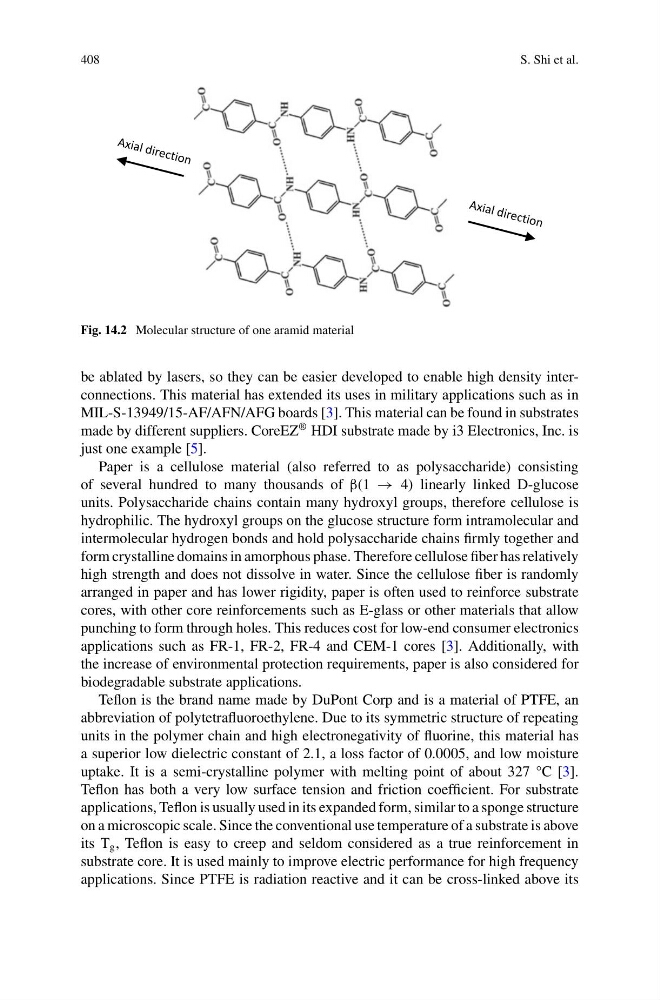
Fig. 14.2 Molecular structure of one aramid material
be ablated by lasers, so they can be easier developed to enable high density interconnections. This material has extended its uses in military applications such as in
MIL-S-13949/15-AF/AFN/AFG boards [3]. This material can be found in substrates
made by different suppliers. CoreEZ
® HDI substrate made by i3 Electronics, Inc. is
just one example [5].
Paper is a cellulose material (also referred to as polysaccharide) consisting
of several hundred to many thousands of β(1 → 4) linearly linked D-glucose
units. Polysaccharide chains contain many hydroxyl groups, therefore cellulose is
hydrophilic. The hydroxyl groups on the glucose structure form intramolecular and
intermolecular hydrogen bonds and hold polysaccharide chains firmly together and
form crystalline domains in amorphous phase. Therefore cellulose fiber has relatively
high strength and does not dissolve in water. Since the cellulose fiber is randomly
arranged in paper and has lower rigidity, paper is often used to reinforce substrate
cores, with other core reinforcements such as E-glass or other materials that allow
punching to form through holes. This reduces cost for low-end consumer electronics
applications such as FR-1, FR-2, FR-4 and CEM-1 cores [3]. Additionally, with
the increase of environmental protection requirements, paper is also considered for
biodegradable substrate applications.
Teflon is the brand name made by DuPont Corp and is a material of PTFE, an
abbreviation of polytetrafluoroethylene. Due to its symmetric structure of repeating
units in the polymer chain and high electronegativity of fluorine, this material has
a superior low dielectric constant of 2.1, a loss factor of 0.0005, and low moisture
uptake. It is a semi-crystalline polymer with melting point of about 327 °C [3].
Teflon has both a very low surface tension and friction coefficient. For substrate
applications, Teflon is usually used in its expanded form, similar to a sponge structure
on a microscopic scale. Since the conventional use temperature of a substrate is above
its T g , Teflon is easy to creep and seldom considered as a true reinforcement in
substrate core. It is used mainly to improve electric performance for high frequency
applications. Since PTFE is radiation reactive and it can be cross-linked above its
S. Shi et al.
Fig. 14.2 Molecular structure of one aramid material
be ablated by lasers, so they can be easier developed to enable high density interconnections. This material has extended its uses in military applications such as in
MIL-S-13949/15-AF/AFN/AFG boards [3]. This material can be found in substrates
made by different suppliers. CoreEZ
® HDI substrate made by i3 Electronics, Inc. is
just one example [5].
Paper is a cellulose material (also referred to as polysaccharide) consisting
of several hundred to many thousands of β(1 → 4) linearly linked D-glucose
units. Polysaccharide chains contain many hydroxyl groups, therefore cellulose is
hydrophilic. The hydroxyl groups on the glucose structure form intramolecular and
intermolecular hydrogen bonds and hold polysaccharide chains firmly together and
form crystalline domains in amorphous phase. Therefore cellulose fiber has relatively
high strength and does not dissolve in water. Since the cellulose fiber is randomly
arranged in paper and has lower rigidity, paper is often used to reinforce substrate
cores, with other core reinforcements such as E-glass or other materials that allow
punching to form through holes. This reduces cost for low-end consumer electronics
applications such as FR-1, FR-2, FR-4 and CEM-1 cores [3]. Additionally, with
the increase of environmental protection requirements, paper is also considered for
biodegradable substrate applications.
Teflon is the brand name made by DuPont Corp and is a material of PTFE, an
abbreviation of polytetrafluoroethylene. Due to its symmetric structure of repeating
units in the polymer chain and high electronegativity of fluorine, this material has
a superior low dielectric constant of 2.1, a loss factor of 0.0005, and low moisture
uptake. It is a semi-crystalline polymer with melting point of about 327 °C [3].
Teflon has both a very low surface tension and friction coefficient. For substrate
applications, Teflon is usually used in its expanded form, similar to a sponge structure
on a microscopic scale. Since the conventional use temperature of a substrate is above
its T g , Teflon is easy to creep and seldom considered as a true reinforcement in
substrate core. It is used mainly to improve electric performance for high frequency
applications. Since PTFE is radiation reactive and it can be cross-linked above its