

49
et al. 2009, 2011; Cao et al. 2010; Zeng et al. 2011; Amen-Chen et al. 1997; Lu et al.
2011) or for other energy conversions. Syngas, which consists of combustible gases
(i.e., methane, hydrogen, carbon monoxide) along with carbon dioxide and nitrogen, is typically recirculated back to the pyrolysis process to supply its heat requirement making the process self-sustaining (Agarwal 2014). According to Chen et al.
(2015), energy is produced in a cleaner way via pyrolysis compared to combustion
and gasification due to the inert environment producing less NOx and SOx. Also,
the syngas produced can be washed before combustion. Pyrolysis systems can also
be installed anywhere since their products (bio-oil, char) can be stored and transported making it more flexible than other thermal processes (Agarwal 2014).
Pyrolysis systems generally include facilities for biomass pretreatment (i.e., drying, size reduction), hopper and feeder, pyrolysis reactor, char separation system
(i.e., cyclones), and a quenching system for the separation of condensable gases
(liquid product) and noncondensable gases (gaseous product). Various reactor
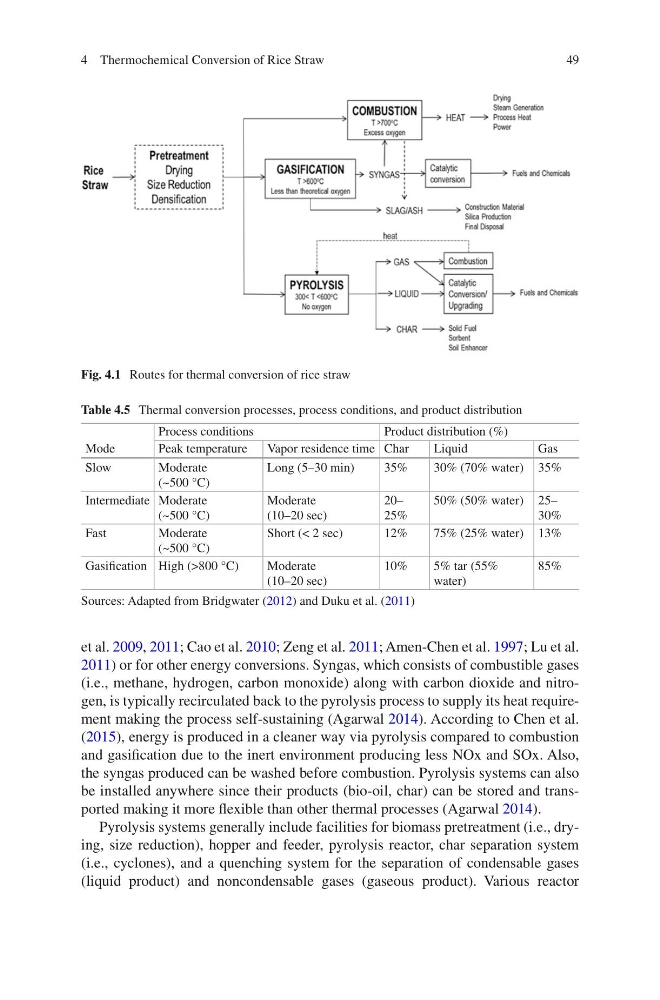
Fig. 4.1 Routes for thermal conversion of rice straw
Table 4.5 Thermal conversion processes, process conditions, and product distribution
Mode
Process conditions
Product distribution (%)
Peak temperature
Vapor residence time Char
Liquid
Gas
Slow
Moderate
(~500 °C)
Long (5–30 min)
35%
30% (70% water) 35%
Intermediate Moderate
(~500 °C)
Moderate
(10–20 sec)
20–
25%
50% (50% water) 25–
30%
Fast
Moderate
(~500 °C)
Short (< 2 sec)
12%
75% (25% water) 13%
Gasification High (>800 °C)
Moderate
(10–20 sec)
10%
5% tar (55%
water)
85%
Sources: Adapted from Bridgwater (2012) and Duku et al. (2011)
4 Thermochemical Conversion of Rice Straw
et al. 2009, 2011; Cao et al. 2010; Zeng et al. 2011; Amen-Chen et al. 1997; Lu et al.
2011) or for other energy conversions. Syngas, which consists of combustible gases
(i.e., methane, hydrogen, carbon monoxide) along with carbon dioxide and nitrogen, is typically recirculated back to the pyrolysis process to supply its heat requirement making the process self-sustaining (Agarwal 2014). According to Chen et al.
(2015), energy is produced in a cleaner way via pyrolysis compared to combustion
and gasification due to the inert environment producing less NOx and SOx. Also,
the syngas produced can be washed before combustion. Pyrolysis systems can also
be installed anywhere since their products (bio-oil, char) can be stored and transported making it more flexible than other thermal processes (Agarwal 2014).
Pyrolysis systems generally include facilities for biomass pretreatment (i.e., drying, size reduction), hopper and feeder, pyrolysis reactor, char separation system
(i.e., cyclones), and a quenching system for the separation of condensable gases
(liquid product) and noncondensable gases (gaseous product). Various reactor
Fig. 4.1 Routes for thermal conversion of rice straw
Table 4.5 Thermal conversion processes, process conditions, and product distribution
Mode
Process conditions
Product distribution (%)
Peak temperature
Vapor residence time Char
Liquid
Gas
Slow
Moderate
(~500 °C)
Long (5–30 min)
35%
30% (70% water) 35%
Intermediate Moderate
(~500 °C)
Moderate
(10–20 sec)
20–
25%
50% (50% water) 25–
30%
Fast
Moderate
(~500 °C)
Short (< 2 sec)
12%
75% (25% water) 13%
Gasification High (>800 °C)
Moderate
(10–20 sec)
10%
5% tar (55%
water)
85%
Sources: Adapted from Bridgwater (2012) and Duku et al. (2011)
4 Thermochemical Conversion of Rice Straw