

supported by the WB’s Drought NLTA, and yet there is still no guarantee that by
the end of the program a national drought policy will be in place.
Sustainable changes (outcomes), therefore, are influenced by the Drought
NLTA, but promoted and implemented by the stakeholders. A sustainable change
(outcome) is understood as a result of complex collaboration processes that are
naturally influenced (both positively and negatively) by many factors (commonly
considered as “externalities” in other approaches).
The original design of the WBI pilot suggested the active engagement of the WB
team and partners of the stakeholders in the design and implementation of the M&E
strategy, through meetings and workshops to promote joint reflection along lines of
implementation, as well as the harvesting and analysis of outcomes. The specific
conditions of the Drought NLTA, once implemented however, did not allow these
opportunities. Nevertheless, with the intent to preserve the participatory nature that
is one of the key-features of the approach, individual and group interviews,
questionnaires, formal and informal interviews were carried out in person (taking
advantage of regional workshops), through e-mail (written), and Skype or
Source
WHO
is the
change
agent
WHAT
was
specifically
done
differently
WHEN
did the
agent
make
the
change
WHERE
did the
change
take
place
WHY
does
the
change
matter
HOW
did the
project
contribute
Outcome information used for real-time learning
Outcome or
milestone
statement
Significance to goal
and problem or
situation addressed
Knowledgeable third
parties
Existing documentation and
team knowledge
Client
knowledge
Interviews or
questionnaires
Documentation in journal
or template
Facilitated session
Method
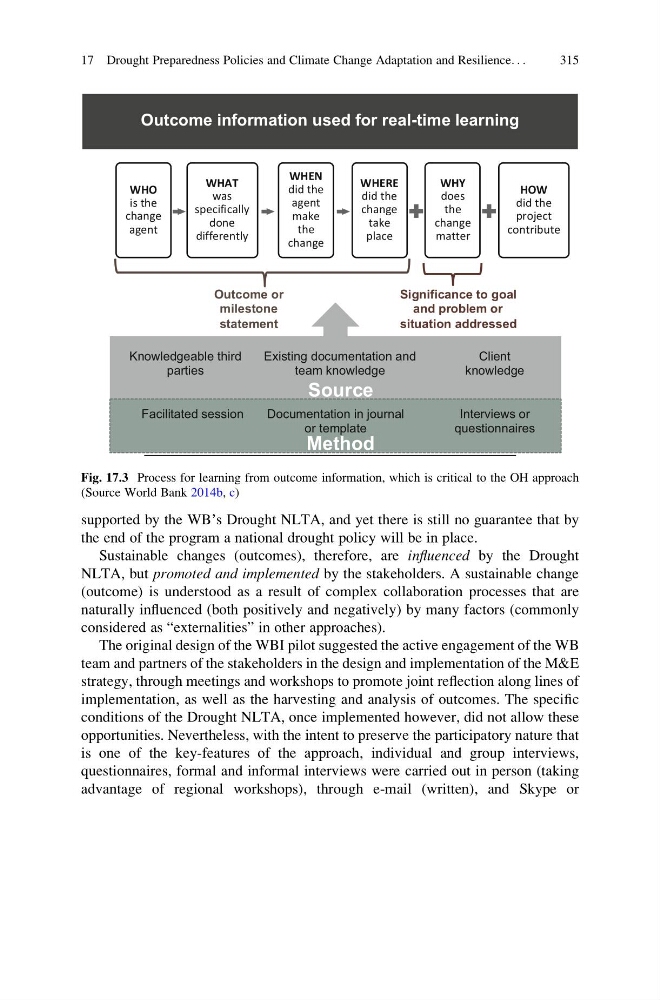
Fig. 17.3 Process for learning from outcome information, which is critical to the OH approach
(Source World Bank 2014b, c)
17 Drought Preparedness Policies and Climate Change Adaptation and Resilience. . .
315
the end of the program a national drought policy will be in place.
Sustainable changes (outcomes), therefore, are influenced by the Drought
NLTA, but promoted and implemented by the stakeholders. A sustainable change
(outcome) is understood as a result of complex collaboration processes that are
naturally influenced (both positively and negatively) by many factors (commonly
considered as “externalities” in other approaches).
The original design of the WBI pilot suggested the active engagement of the WB
team and partners of the stakeholders in the design and implementation of the M&E
strategy, through meetings and workshops to promote joint reflection along lines of
implementation, as well as the harvesting and analysis of outcomes. The specific
conditions of the Drought NLTA, once implemented however, did not allow these
opportunities. Nevertheless, with the intent to preserve the participatory nature that
is one of the key-features of the approach, individual and group interviews,
questionnaires, formal and informal interviews were carried out in person (taking
advantage of regional workshops), through e-mail (written), and Skype or
Source
WHO
is the
change
agent
WHAT
was
specifically
done
differently
WHEN
did the
agent
make
the
change
WHERE
did the
change
take
place
WHY
does
the
change
matter
HOW
did the
project
contribute
Outcome information used for real-time learning
Outcome or
milestone
statement
Significance to goal
and problem or
situation addressed
Knowledgeable third
parties
Existing documentation and
team knowledge
Client
knowledge
Interviews or
questionnaires
Documentation in journal
or template
Facilitated session
Method
Fig. 17.3 Process for learning from outcome information, which is critical to the OH approach
(Source World Bank 2014b, c)
17 Drought Preparedness Policies and Climate Change Adaptation and Resilience. . .
315