

15.4 Results
The TAMD framework uses theories of change to measure progress towards
achieving resilience. Theories of change help articulate assumptions behind smaller
steps that lead to a long-term goal and the connections between these activities,
outcomes and impact. They help present a visual representation on the contribution
of a project or combination of projects to an intended outcome.
In Isiolo an integrated ToC at the sub-national (county level) and five theories of
change at the community/ward levels was developed by both the county officials
and ward committees. Figure 15.2 shows the integrated ToC at county level whilst
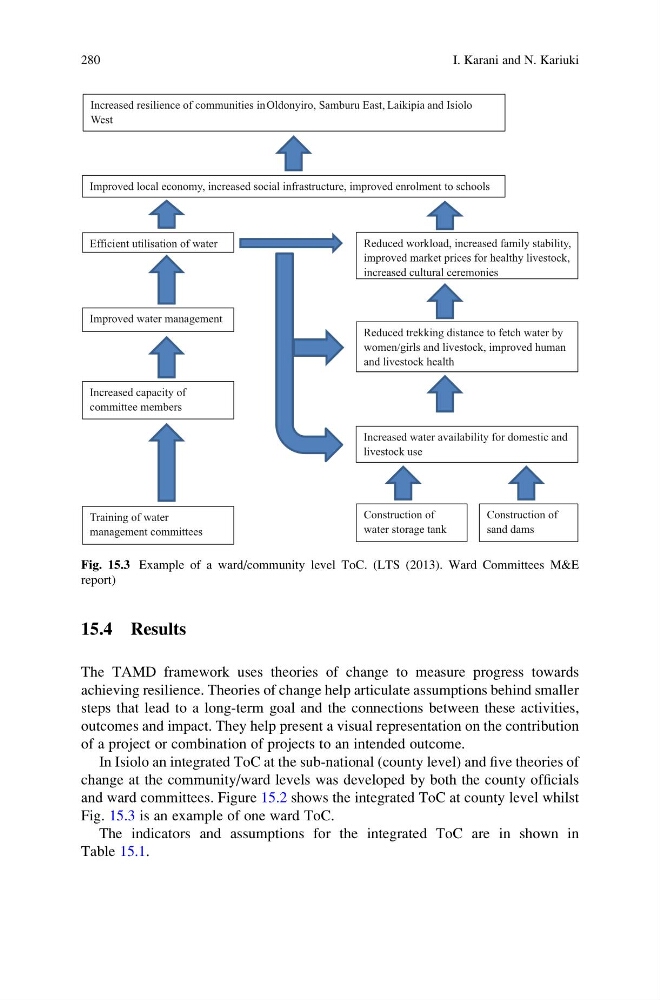
Fig. 15.3 is an example of one ward ToC.
The indicators and assumptions for the integrated ToC are in shown in
Table 15.1.
Improved water management
Training of water
management committees
Construction of
sand dams
Construction of
water storage tank
Increased water availability for domestic and
livestock use
Increased capacity of
committee members
Reduced trekking distance to fetch water by
women/girls and livestock, improved human
and livestock health
Reduced workload, increased family stability,
improved market prices for healthy livestock,
increased cultural ceremonies
Efficient utilisation of water
Increased resilience of communities in Oldonyiro, Samburu East, Laikipia and Isiolo
West
Improved local economy, increased social infrastructure, improved enrolment to schools
Fig. 15.3 Example of a ward/community level ToC. (LTS (2013). Ward Committees M&E
report)
280
I. Karani and N. Kariuki
The TAMD framework uses theories of change to measure progress towards
achieving resilience. Theories of change help articulate assumptions behind smaller
steps that lead to a long-term goal and the connections between these activities,
outcomes and impact. They help present a visual representation on the contribution
of a project or combination of projects to an intended outcome.
In Isiolo an integrated ToC at the sub-national (county level) and five theories of
change at the community/ward levels was developed by both the county officials
and ward committees. Figure 15.2 shows the integrated ToC at county level whilst
Fig. 15.3 is an example of one ward ToC.
The indicators and assumptions for the integrated ToC are in shown in
Table 15.1.
Improved water management
Training of water
management committees
Construction of
sand dams
Construction of
water storage tank
Increased water availability for domestic and
livestock use
Increased capacity of
committee members
Reduced trekking distance to fetch water by
women/girls and livestock, improved human
and livestock health
Reduced workload, increased family stability,
improved market prices for healthy livestock,
increased cultural ceremonies
Efficient utilisation of water
Increased resilience of communities in Oldonyiro, Samburu East, Laikipia and Isiolo
West
Improved local economy, increased social infrastructure, improved enrolment to schools
Fig. 15.3 Example of a ward/community level ToC. (LTS (2013). Ward Committees M&E
report)
280
I. Karani and N. Kariuki