

20
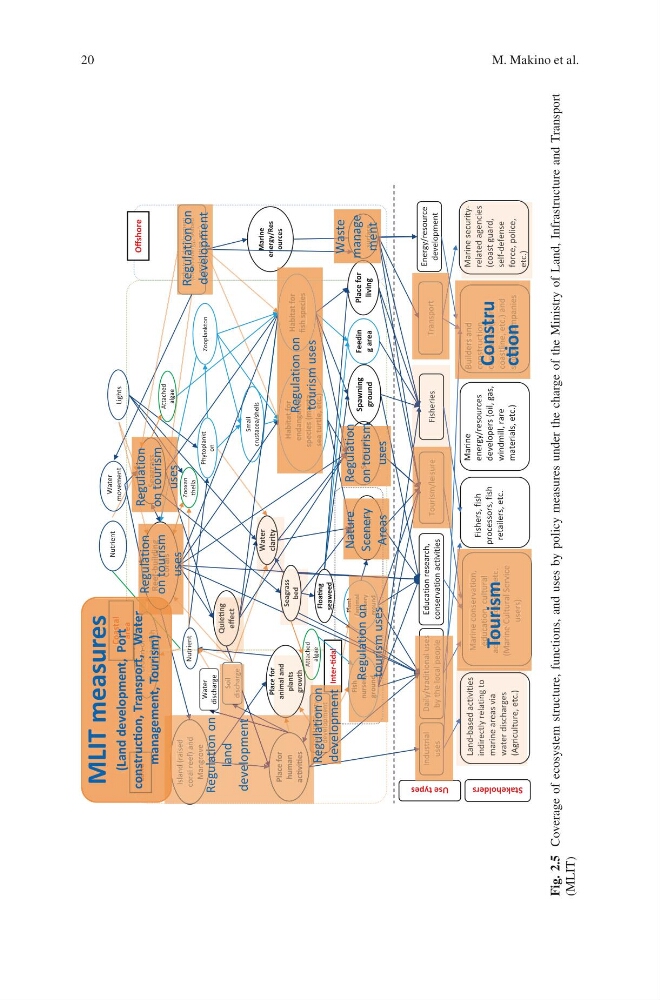
Fig. 2.5 Coverage of ecosystem structure, functions, and uses by policy measures under the charge of the Ministry of Land, Infrastructure and Transport
(MLIT)
s
r
e
d
l
o
h
e
k
a
t
S
Marine conservation,
education, cultural
activities, tourism, etc.
(Marine Cultural Service
users)
Fishers, fish
processors, fish
retailers, etc.
Marine
energy/resources
developers (oil, gas,
windmill, rare
materials, etc.)
Builders and
construction
companies (port,
coastline, etc.) and
shipping companies
Marine securityrelated agencies
(coast guard,
self-defense
force, police,
etc.)
Land-based activities
indirectly relating to
marine areas via
water discharges
(Agriculture, etc.)
s
e
p
y
t
e
s
U
Industrial
uses
Daily/traditional uses
by the local people
Education research,
conservation activities
Tourism/leisure
Fisheries
Transport
Spawning
ground
Seascape
Feedin
g area
Place for
human
acƟviƟes
Marine
energy/Res
ources
Phytoplankt
on
Zooplankton
Small
crustacea/shells
Energy/resource
development
Island (raised
coral reef) and
Mangrove
QuieƟng
effect
Place for
living
Industrial development
(Ocean energy, seabed
exploration, etc.)
Seascape
Plant
/animal
nursery
ground
Fish
nursery
ground
Water
movement
Lights
Coastal
area
Land
Offshore
Habitat for
endangered
species (manta,
sea turtle, etc.)
Place for
animal and
plants
growth
Zooxan
thella
Land/property
development
Water
discharge
Soil
discharge
Inter-Ɵdal
Habitat for
fish species
Crown-ofthorns starfish
Water
clarity
Seagrass
Seagrass
bed
FloaƟng
seaweed
Attached
algae
Reef-building
Corals
Sea
surface
Attached
algae
Nutrient
Nutrient
Coastal
area
Land
Crown n n- -ofthorns starfish t t
MLIT measures
(Land development, Port
construcƟon, Transport, Water
management, Tourism)
Plant
/animal
nursery
grou g nd
Fish
nursery
ground
Place for
animal and
plants
growth
Atta
l
Seascape
Seagrass
bed
Fisheries
Tourism/leisure
Habitat for
endangered
species (manta,
sea turtle, etc.)
Habitat for
fish species
Seagrass
Reef-building
Corals
r r
Regulation
on tourism
uses
Water
clarity y
Place for
human
acƟviƟes
Island (raised
coral reef) and
Mangrove
Land/property
development
L d/
Soil
discharge
QuieƟng
effect
Sea
surface
Waste
manage
ment
Seascape
Nature
Scenery
Areas
Transport
Industrial development
(Ocean energy, seabed
exploration, etc.)
Regulation
on tourism
uses
Regulation on
development
Regulation
on tourism
uses
Regulation on
tourism uses
Regulation on
development
Regulation on
tourism uses
Regulation on
land
development
Industrial
uses
Daily/traditional uses
by the local people
Builders and
construction
companies (port,
coastline, etc.) and
shipping companies
Marine conservation,
education, cultural
activities, tourism, etc.
(Marine Cultural Service
users)
Land-based activities
indirectly relating to
marine areas via
water discharges
(Agriculture, etc.)
Marine securityrelated agencies
(coast guard,
self-defense
force, police,
etc.)
Tourism
Constru
cƟon
M. Makino et al.
Fig. 2.5 Coverage of ecosystem structure, functions, and uses by policy measures under the charge of the Ministry of Land, Infrastructure and Transport
(MLIT)
s
r
e
d
l
o
h
e
k
a
t
S
Marine conservation,
education, cultural
activities, tourism, etc.
(Marine Cultural Service
users)
Fishers, fish
processors, fish
retailers, etc.
Marine
energy/resources
developers (oil, gas,
windmill, rare
materials, etc.)
Builders and
construction
companies (port,
coastline, etc.) and
shipping companies
Marine securityrelated agencies
(coast guard,
self-defense
force, police,
etc.)
Land-based activities
indirectly relating to
marine areas via
water discharges
(Agriculture, etc.)
s
e
p
y
t
e
s
U
Industrial
uses
Daily/traditional uses
by the local people
Education research,
conservation activities
Tourism/leisure
Fisheries
Transport
Spawning
ground
Seascape
Feedin
g area
Place for
human
acƟviƟes
Marine
energy/Res
ources
Phytoplankt
on
Zooplankton
Small
crustacea/shells
Energy/resource
development
Island (raised
coral reef) and
Mangrove
QuieƟng
effect
Place for
living
Industrial development
(Ocean energy, seabed
exploration, etc.)
Seascape
Plant
/animal
nursery
ground
Fish
nursery
ground
Water
movement
Lights
Coastal
area
Land
Offshore
Habitat for
endangered
species (manta,
sea turtle, etc.)
Place for
animal and
plants
growth
Zooxan
thella
Land/property
development
Water
discharge
Soil
discharge
Inter-Ɵdal
Habitat for
fish species
Crown-ofthorns starfish
Water
clarity
Seagrass
Seagrass
bed
FloaƟng
seaweed
Attached
algae
Reef-building
Corals
Sea
surface
Attached
algae
Nutrient
Nutrient
Coastal
area
Land
Crown n n- -ofthorns starfish t t
MLIT measures
(Land development, Port
construcƟon, Transport, Water
management, Tourism)
Plant
/animal
nursery
grou g nd
Fish
nursery
ground
Place for
animal and
plants
growth
Atta
l
Seascape
Seagrass
bed
Fisheries
Tourism/leisure
Habitat for
endangered
species (manta,
sea turtle, etc.)
Habitat for
fish species
Seagrass
Reef-building
Corals
r r
Regulation
on tourism
uses
Water
clarity y
Place for
human
acƟviƟes
Island (raised
coral reef) and
Mangrove
Land/property
development
L d/
Soil
discharge
QuieƟng
effect
Sea
surface
Waste
manage
ment
Seascape
Nature
Scenery
Areas
Transport
Industrial development
(Ocean energy, seabed
exploration, etc.)
Regulation
on tourism
uses
Regulation on
development
Regulation
on tourism
uses
Regulation on
tourism uses
Regulation on
development
Regulation on
tourism uses
Regulation on
land
development
Industrial
uses
Daily/traditional uses
by the local people
Builders and
construction
companies (port,
coastline, etc.) and
shipping companies
Marine conservation,
education, cultural
activities, tourism, etc.
(Marine Cultural Service
users)
Land-based activities
indirectly relating to
marine areas via
water discharges
(Agriculture, etc.)
Marine securityrelated agencies
(coast guard,
self-defense
force, police,
etc.)
Tourism
Constru
cƟon
M. Makino et al.