

151
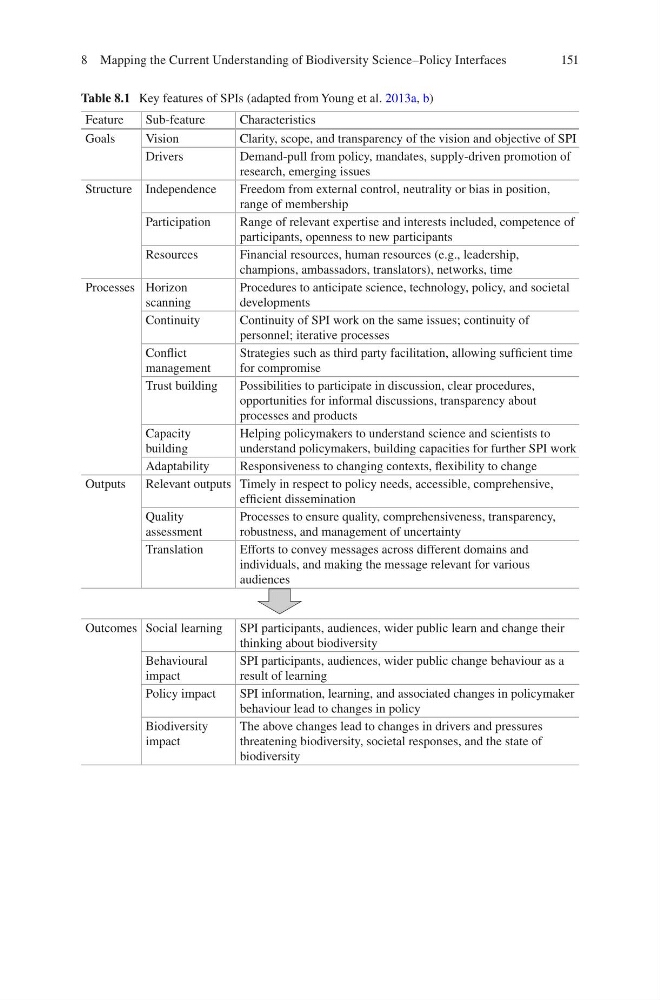
Table 8.1 Key features of SPIs (adapted from Young et al. 2013a, b)
Feature
Sub-feature
Characteristics
Goals
Vision
Clarity, scope, and transparency of the vision and objective of SPI
Drivers
Demand-pull from policy, mandates, supply-driven promotion of
research, emerging issues
Structure Independence
Freedom from external control, neutrality or bias in position,
range of membership
Participation
Range of relevant expertise and interests included, competence of
participants, openness to new participants
Resources
Financial resources, human resources (e.g., leadership,
champions, ambassadors, translators), networks, time
Processes Horizon
scanning
Procedures to anticipate science, technology, policy, and societal
developments
Continuity
Continuity of SPI work on the same issues; continuity of
personnel; iterative processes
Conflict
management
Strategies such as third party facilitation, allowing sufficient time
for compromise
Trust building
Possibilities to participate in discussion, clear procedures,
opportunities for informal discussions, transparency about
processes and products
Capacity
building
Helping policymakers to understand science and scientists to
understand policymakers, building capacities for further SPI work
Adaptability
Responsiveness to changing contexts, flexibility to change
Outputs
Relevant outputs Timely in respect to policy needs, accessible, comprehensive,
efficient dissemination
Quality
assessment
Processes to ensure quality, comprehensiveness, transparency,
robustness, and management of uncertainty
Translation
Efforts to convey messages across different domains and
individuals, and making the message relevant for various
audiences
Outcomes Social learning SPI participants, audiences, wider public learn and change their
thinking about biodiversity
Behavioural
impact
SPI participants, audiences, wider public change behaviour as a
result of learning
Policy impact
SPI information, learning, and associated changes in policymaker
behaviour lead to changes in policy
Biodiversity
impact
The above changes lead to changes in drivers and pressures
threatening biodiversity, societal responses, and the state of
biodiversity
8 Mapping the Current Understanding of Biodiversity Science–Policy Interfaces
Table 8.1 Key features of SPIs (adapted from Young et al. 2013a, b)
Feature
Sub-feature
Characteristics
Goals
Vision
Clarity, scope, and transparency of the vision and objective of SPI
Drivers
Demand-pull from policy, mandates, supply-driven promotion of
research, emerging issues
Structure Independence
Freedom from external control, neutrality or bias in position,
range of membership
Participation
Range of relevant expertise and interests included, competence of
participants, openness to new participants
Resources
Financial resources, human resources (e.g., leadership,
champions, ambassadors, translators), networks, time
Processes Horizon
scanning
Procedures to anticipate science, technology, policy, and societal
developments
Continuity
Continuity of SPI work on the same issues; continuity of
personnel; iterative processes
Conflict
management
Strategies such as third party facilitation, allowing sufficient time
for compromise
Trust building
Possibilities to participate in discussion, clear procedures,
opportunities for informal discussions, transparency about
processes and products
Capacity
building
Helping policymakers to understand science and scientists to
understand policymakers, building capacities for further SPI work
Adaptability
Responsiveness to changing contexts, flexibility to change
Outputs
Relevant outputs Timely in respect to policy needs, accessible, comprehensive,
efficient dissemination
Quality
assessment
Processes to ensure quality, comprehensiveness, transparency,
robustness, and management of uncertainty
Translation
Efforts to convey messages across different domains and
individuals, and making the message relevant for various
audiences
Outcomes Social learning SPI participants, audiences, wider public learn and change their
thinking about biodiversity
Behavioural
impact
SPI participants, audiences, wider public change behaviour as a
result of learning
Policy impact
SPI information, learning, and associated changes in policymaker
behaviour lead to changes in policy
Biodiversity
impact
The above changes lead to changes in drivers and pressures
threatening biodiversity, societal responses, and the state of
biodiversity
8 Mapping the Current Understanding of Biodiversity Science–Policy Interfaces