

4 Conclusions and Future Works
This paper presents a quantitative analytical framework to assess seismic resilient
enhancement measures in electricity supply system, referring to the four essential
properties; robustness, redundancy, resourcefulness and rapidity. The dynamic
power generation planning model considering nuclear power plants’ shut-down risk
successfully derives possible appropriate measures to enhance resilience of the
system from a quantitative perspective, and gives systemic understanding of the
system’s seismic resilience. Simulation results show that nuclear power plants’
shut-down risk creates a need for redundancy in power generation planning and that
the decrease of electricity supply capacity caused by nuclear power plants’
shut-down can be compensated for by demand saving and construction of alternative power source. In other words, it can be compensated for by the system’s
resourcefulness.
As mentioned in introduction, the simulation results highlight a normative image
of the system through the comprehensive incorporation of forecasted future
parameters and scenarios. However, the model developed in this paper is a work in
progress and not simple enough to do so. To get better understanding of seismic
resilience, our future works consists in refining the model and consider such
parameters and scenarios. With respect to the refinement of parameters and scenarios, it depends on technical and social researches. For example, MTTR can be
shortened through enhancement of quake-resistance and tsunami protection of
nuclear power plants. It can also shortened through good design of social systems
0
20
40
60
80
100
120
140
160
180
01:00
02:00
03:00
04:00
05:00
06:00
07:00
08:00
09:00
10:00
11:00
12:00
13:00
14:00
15:00
16:00
17:00
18:00
19:00
20:00
21:00
22:00
23:00
00:00
GW
Battery out
Pumped out
Battery in
Pumped in
Oil
LNG ST
LNG CC
Coal
Nuclear
Hydro
Original demand
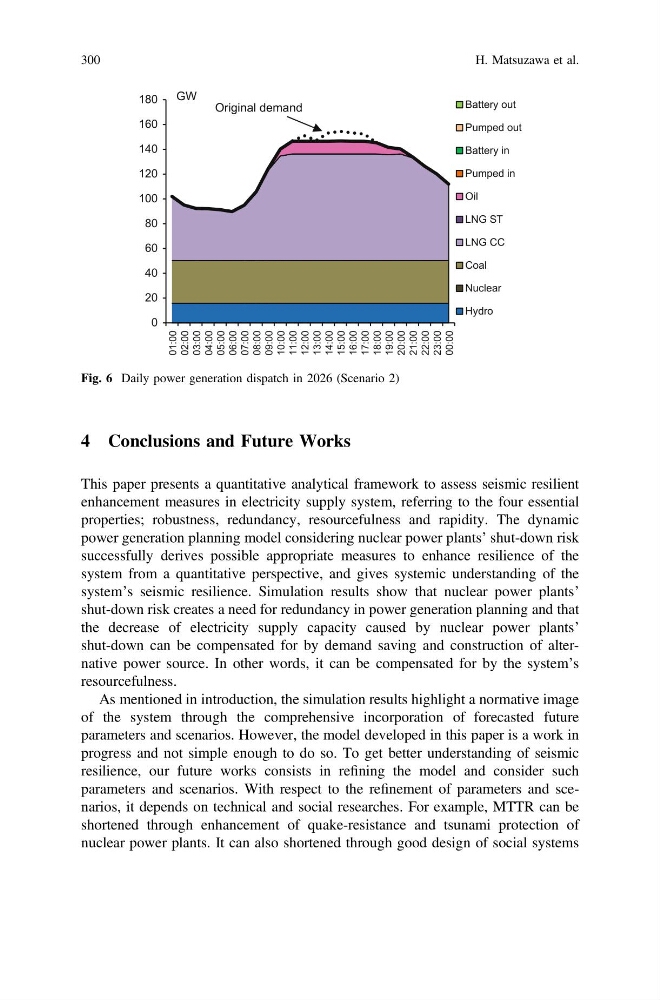
Fig. 6 Daily power generation dispatch in 2026 (Scenario 2)
300
H. Matsuzawa et al.
This paper presents a quantitative analytical framework to assess seismic resilient
enhancement measures in electricity supply system, referring to the four essential
properties; robustness, redundancy, resourcefulness and rapidity. The dynamic
power generation planning model considering nuclear power plants’ shut-down risk
successfully derives possible appropriate measures to enhance resilience of the
system from a quantitative perspective, and gives systemic understanding of the
system’s seismic resilience. Simulation results show that nuclear power plants’
shut-down risk creates a need for redundancy in power generation planning and that
the decrease of electricity supply capacity caused by nuclear power plants’
shut-down can be compensated for by demand saving and construction of alternative power source. In other words, it can be compensated for by the system’s
resourcefulness.
As mentioned in introduction, the simulation results highlight a normative image
of the system through the comprehensive incorporation of forecasted future
parameters and scenarios. However, the model developed in this paper is a work in
progress and not simple enough to do so. To get better understanding of seismic
resilience, our future works consists in refining the model and consider such
parameters and scenarios. With respect to the refinement of parameters and scenarios, it depends on technical and social researches. For example, MTTR can be
shortened through enhancement of quake-resistance and tsunami protection of
nuclear power plants. It can also shortened through good design of social systems
0
20
40
60
80
100
120
140
160
180
01:00
02:00
03:00
04:00
05:00
06:00
07:00
08:00
09:00
10:00
11:00
12:00
13:00
14:00
15:00
16:00
17:00
18:00
19:00
20:00
21:00
22:00
23:00
00:00
GW
Battery out
Pumped out
Battery in
Pumped in
Oil
LNG ST
LNG CC
Coal
Nuclear
Hydro
Original demand
Fig. 6 Daily power generation dispatch in 2026 (Scenario 2)
300
H. Matsuzawa et al.