

4 Discussion
A detailed study of the SCM is both simple and complex. Simplicity comes from
the abundance of sources. This model has been widely quoted and Reason is a
prolific author (149 publications; [10]). Complexity arises from the nature of the
model’s origin: a collaborative and poorly documented work between distinct but
interactive worlds, research and industry. Meeting the two fathers of the SCM was a
great help, it surely helps preventing from retroactive bias.
This study was guided by intuition that the success of SCM lays (mostly) in its
simple graphical representation. If it is undeniable that Swiss cheese representation
has played a role in the socialization process of Reason’s work, it actually seems it
has mostly caused theoretical and methodological pitfalls [11]. A second hypothesis
was that success of the model was the result of the appropriation of research
findings by industry. It emerges that it is more the appropriation of industrial
experience by the academics and long term collaboration that gave the SCM its
empirical pragmatism, likely to encourage its use and spread. If Reason and
Wreathall’s meeting was helped by a favorable social and industrial context (Safety
Culture decade and human error clambakes), their collaboration stood thanks to a
mutual will of convergence. We note the importance of backgrounds and early life
experiences that led Reason working in aviation community and Wreathall meeting
systemic thoughts and human factors early in his studies. This shared background
guaranteed sensitivity and brought a common language to the two: a collaboration
prerequisite. Finally, more than simply causing their meeting, the social demand at
that time (industry funding many research programs) also allowed the evolutions of
the model. Through various research programs and industrial demands, the SCM
was used and shaped.
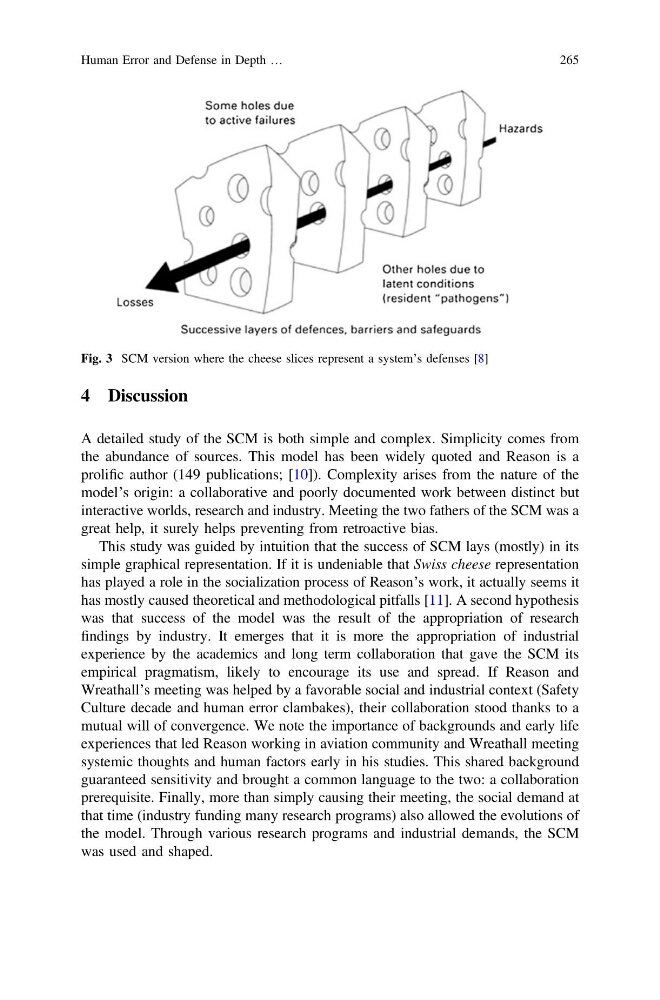
Fig. 3 SCM version where the cheese slices represent a system’s defenses [8]
Human Error and Defense in Depth …
265
A detailed study of the SCM is both simple and complex. Simplicity comes from
the abundance of sources. This model has been widely quoted and Reason is a
prolific author (149 publications; [10]). Complexity arises from the nature of the
model’s origin: a collaborative and poorly documented work between distinct but
interactive worlds, research and industry. Meeting the two fathers of the SCM was a
great help, it surely helps preventing from retroactive bias.
This study was guided by intuition that the success of SCM lays (mostly) in its
simple graphical representation. If it is undeniable that Swiss cheese representation
has played a role in the socialization process of Reason’s work, it actually seems it
has mostly caused theoretical and methodological pitfalls [11]. A second hypothesis
was that success of the model was the result of the appropriation of research
findings by industry. It emerges that it is more the appropriation of industrial
experience by the academics and long term collaboration that gave the SCM its
empirical pragmatism, likely to encourage its use and spread. If Reason and
Wreathall’s meeting was helped by a favorable social and industrial context (Safety
Culture decade and human error clambakes), their collaboration stood thanks to a
mutual will of convergence. We note the importance of backgrounds and early life
experiences that led Reason working in aviation community and Wreathall meeting
systemic thoughts and human factors early in his studies. This shared background
guaranteed sensitivity and brought a common language to the two: a collaboration
prerequisite. Finally, more than simply causing their meeting, the social demand at
that time (industry funding many research programs) also allowed the evolutions of
the model. Through various research programs and industrial demands, the SCM
was used and shaped.
Fig. 3 SCM version where the cheese slices represent a system’s defenses [8]
Human Error and Defense in Depth …
265