

Some examples of this can be found in terrestrial and marine ecosystems. By
relocating salmon carcases from streams to riparian areas and through the consumption and excretion of salmon-derived nutrients, the Alaskan brown bear is
responsible for up to 24% of riparian nitrogen budgets (Helfield and Naiman 2006).
Arctic foxes in the Aleutian archipelago can reduce seabird-mediated nutrient
inputs from the ocean to terrestrial areas, thus cause grassland habitats to shift to
dwarf shrub/forb-dominated ecosystems (Croll et al. 2005; Maron et al. 2006). Bull
sharks (Carcharinus leucas) move between the different habitats of the Shark River
Estuary in Florida and link these habitats through trophic interactions (Matich et al.
2011). Such behaviours by these large mobile consumers may lead to transport of
limiting nutrients from relatively nutrient-rich marine habitats to oligotrophic
freshwater/estuarine habitats, which could affect community composition of primary producers (Rosenblatt et al. 2013). The reintroduction of wolves in
Yellowstone Park has reduced the positive indirect effects of ungulates on soil
nitrogen mineralisation and potentially the nitrogen supply for plant growth (Frank
2008). The introduction of rats and arctic foxes has reduced soil fertility and plant
nutrition on high-latitude islands by disrupting seabirds and their sea-to-land
nutrient subsidies, and this has had striking effects on plant community composition
(Wardle et al. 2007). A linked process of consumption and excretion can recycle
nutrients such as nitrogen and phosphorus to similar ratios of other sources of
nutrients and contribute to heterogeneity in nutrient dynamics, thus increasing
process diversity.
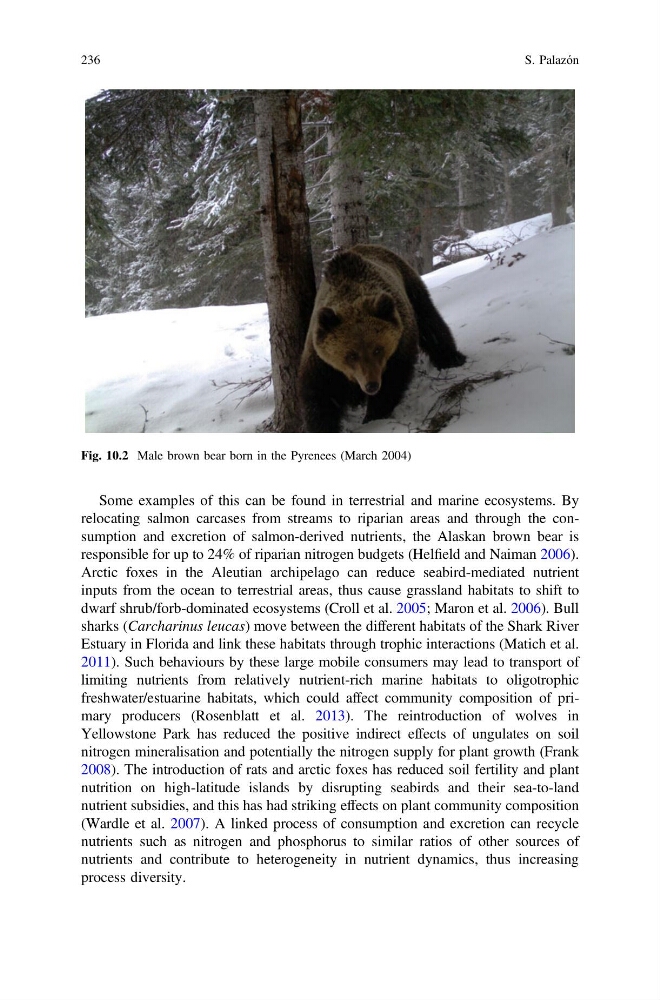
Fig. 10.2 Male brown bear born in the Pyrenees (March 2004)
236
S. Palazón
relocating salmon carcases from streams to riparian areas and through the consumption and excretion of salmon-derived nutrients, the Alaskan brown bear is
responsible for up to 24% of riparian nitrogen budgets (Helfield and Naiman 2006).
Arctic foxes in the Aleutian archipelago can reduce seabird-mediated nutrient
inputs from the ocean to terrestrial areas, thus cause grassland habitats to shift to
dwarf shrub/forb-dominated ecosystems (Croll et al. 2005; Maron et al. 2006). Bull
sharks (Carcharinus leucas) move between the different habitats of the Shark River
Estuary in Florida and link these habitats through trophic interactions (Matich et al.
2011). Such behaviours by these large mobile consumers may lead to transport of
limiting nutrients from relatively nutrient-rich marine habitats to oligotrophic
freshwater/estuarine habitats, which could affect community composition of primary producers (Rosenblatt et al. 2013). The reintroduction of wolves in
Yellowstone Park has reduced the positive indirect effects of ungulates on soil
nitrogen mineralisation and potentially the nitrogen supply for plant growth (Frank
2008). The introduction of rats and arctic foxes has reduced soil fertility and plant
nutrition on high-latitude islands by disrupting seabirds and their sea-to-land
nutrient subsidies, and this has had striking effects on plant community composition
(Wardle et al. 2007). A linked process of consumption and excretion can recycle
nutrients such as nitrogen and phosphorus to similar ratios of other sources of
nutrients and contribute to heterogeneity in nutrient dynamics, thus increasing
process diversity.
Fig. 10.2 Male brown bear born in the Pyrenees (March 2004)
236
S. Palazón