

pottery recipients in different sizes and shapes. While lithic objects are not very
numerous, they reveal the use of raw materials from the Ebro basin, among other
origins (Mazzucco et al. 2014). The type of sediment has enabled good conservation of osteological remains, resulting in the identification of a vast number of
fragments of the animals consumed at the site. Their study is still in progress. The
available radiocarbon dates show that in the oldest occupation phase currently
known (5300–5100 cal BC), 90% of the remains that have been determined taxonomically come from domestic species: sheep, goat, pig and cattle. This proportion decreases in following Neolithic occupations to 70%. In the second millennium
occupation cited above, the percentage of domestic fauna is still smaller; 55% of the
identified remains. The wild animals consumed were mostly tortoise, red deer, roe
deer and rabbit, among others.
During the test excavation a lot of carpological remains has been noted, despite
sampling a relatively small amount of sediment; following the same trend as the
fauna, the largest numbers of cultivated species and seeds came from the oldest
occupation phase at the site. Naked barley (Hordeum vulgare var. nudum),
free-threshing wheat (Triticum aestivum/durum/turgidum), and emmer (Triticum cf
dicoccum) were documented as well as some hazelnuts and acorns. In later
Neolithic levels, between 5000 and 4600 cal BC, the total number of seeds of
domestic cereals decreases, but peas (Pisum sativum) have been found in some
occupations and, above all, intense consumption of hazelnuts and, in some cases,
of blackberries (Rubus fructicosus) has been documented in the most recent levels.
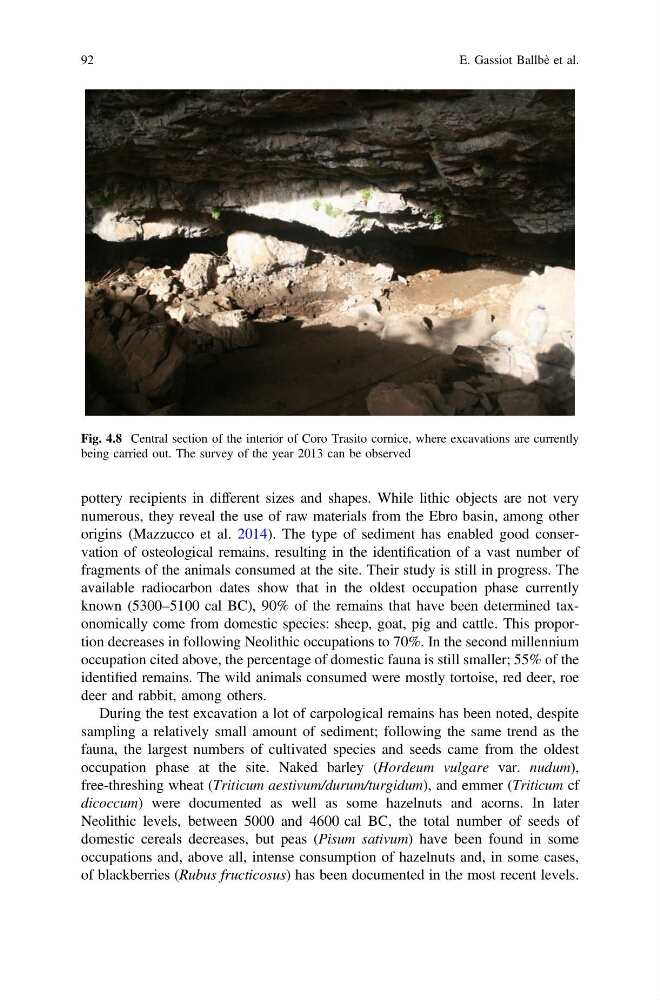
Fig. 4.8 Central section of the interior of Coro Trasito cornice, where excavations are currently
being carried out. The survey of the year 2013 can be observed
92
E. Gassiot Ballbè et al.
numerous, they reveal the use of raw materials from the Ebro basin, among other
origins (Mazzucco et al. 2014). The type of sediment has enabled good conservation of osteological remains, resulting in the identification of a vast number of
fragments of the animals consumed at the site. Their study is still in progress. The
available radiocarbon dates show that in the oldest occupation phase currently
known (5300–5100 cal BC), 90% of the remains that have been determined taxonomically come from domestic species: sheep, goat, pig and cattle. This proportion decreases in following Neolithic occupations to 70%. In the second millennium
occupation cited above, the percentage of domestic fauna is still smaller; 55% of the
identified remains. The wild animals consumed were mostly tortoise, red deer, roe
deer and rabbit, among others.
During the test excavation a lot of carpological remains has been noted, despite
sampling a relatively small amount of sediment; following the same trend as the
fauna, the largest numbers of cultivated species and seeds came from the oldest
occupation phase at the site. Naked barley (Hordeum vulgare var. nudum),
free-threshing wheat (Triticum aestivum/durum/turgidum), and emmer (Triticum cf
dicoccum) were documented as well as some hazelnuts and acorns. In later
Neolithic levels, between 5000 and 4600 cal BC, the total number of seeds of
domestic cereals decreases, but peas (Pisum sativum) have been found in some
occupations and, above all, intense consumption of hazelnuts and, in some cases,
of blackberries (Rubus fructicosus) has been documented in the most recent levels.
Fig. 4.8 Central section of the interior of Coro Trasito cornice, where excavations are currently
being carried out. The survey of the year 2013 can be observed
92
E. Gassiot Ballbè et al.