

Metallic Nanoparticles for Biomedical Applications
53
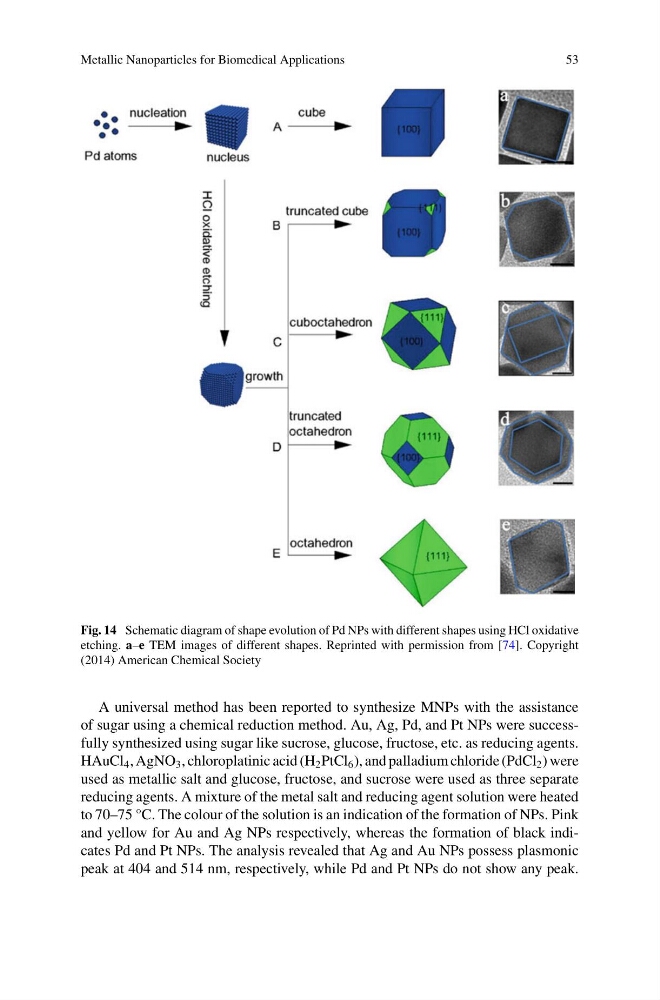
Fig. 14 Schematic diagram of shape evolution of Pd NPs with different shapes using HCl oxidative
etching. a–e TEM images of different shapes. Reprinted with permission from [74]. Copyright
(2014) American Chemical Society
A universal method has been reported to synthesize MNPs with the assistance
of sugar using a chemical reduction method. Au, Ag, Pd, and Pt NPs were successfully synthesized using sugar like sucrose, glucose, fructose, etc. as reducing agents.
HAuCl 4 , AgNO 3 , chloroplatinic acid (H 2 PtCl 6 ), and palladium chloride (PdCl 2 ) were
used as metallic salt and glucose, fructose, and sucrose were used as three separate
reducing agents. A mixture of the metal salt and reducing agent solution were heated
to 70–75 °C. The colour of the solution is an indication of the formation of NPs. Pink
and yellow for Au and Ag NPs respectively, whereas the formation of black indicates Pd and Pt NPs. The analysis revealed that Ag and Au NPs possess plasmonic
peak at 404 and 514 nm, respectively, while Pd and Pt NPs do not show any peak.
53
Fig. 14 Schematic diagram of shape evolution of Pd NPs with different shapes using HCl oxidative
etching. a–e TEM images of different shapes. Reprinted with permission from [74]. Copyright
(2014) American Chemical Society
A universal method has been reported to synthesize MNPs with the assistance
of sugar using a chemical reduction method. Au, Ag, Pd, and Pt NPs were successfully synthesized using sugar like sucrose, glucose, fructose, etc. as reducing agents.
HAuCl 4 , AgNO 3 , chloroplatinic acid (H 2 PtCl 6 ), and palladium chloride (PdCl 2 ) were
used as metallic salt and glucose, fructose, and sucrose were used as three separate
reducing agents. A mixture of the metal salt and reducing agent solution were heated
to 70–75 °C. The colour of the solution is an indication of the formation of NPs. Pink
and yellow for Au and Ag NPs respectively, whereas the formation of black indicates Pd and Pt NPs. The analysis revealed that Ag and Au NPs possess plasmonic
peak at 404 and 514 nm, respectively, while Pd and Pt NPs do not show any peak.