

410
A. Kumar et al.
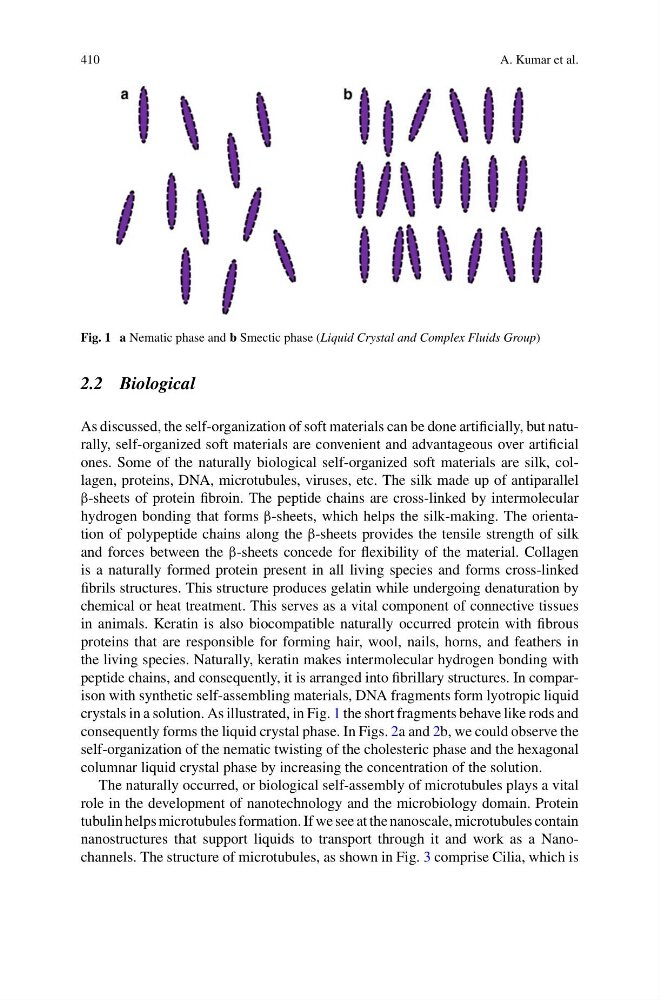
Fig. 1 a Nematic phase and b Smectic phase (Liquid Crystal and Complex Fluids Group)
2.2 Biological
As discussed, the self-organization of soft materials can be done artificially, but naturally, self-organized soft materials are convenient and advantageous over artificial
ones. Some of the naturally biological self-organized soft materials are silk, collagen, proteins, DNA, microtubules, viruses, etc. The silk made up of antiparallel
β-sheets of protein fibroin. The peptide chains are cross-linked by intermolecular
hydrogen bonding that forms β-sheets, which helps the silk-making. The orientation of polypeptide chains along the β-sheets provides the tensile strength of silk
and forces between the β-sheets concede for flexibility of the material. Collagen
is a naturally formed protein present in all living species and forms cross-linked
fibrils structures. This structure produces gelatin while undergoing denaturation by
chemical or heat treatment. This serves as a vital component of connective tissues
in animals. Keratin is also biocompatible naturally occurred protein with fibrous
proteins that are responsible for forming hair, wool, nails, horns, and feathers in
the living species. Naturally, keratin makes intermolecular hydrogen bonding with
peptide chains, and consequently, it is arranged into fibrillary structures. In comparison with synthetic self-assembling materials, DNA fragments form lyotropic liquid
crystals in a solution. As illustrated, in Fig. 1 the short fragments behave like rods and
consequently forms the liquid crystal phase. In Figs. 2a and 2b, we could observe the
self-organization of the nematic twisting of the cholesteric phase and the hexagonal
columnar liquid crystal phase by increasing the concentration of the solution.
The naturally occurred, or biological self-assembly of microtubules plays a vital
role in the development of nanotechnology and the microbiology domain. Protein
tubulin helps microtubules formation. If we see at the nanoscale, microtubules contain
nanostructures that support liquids to transport through it and work as a Nanochannels. The structure of microtubules, as shown in Fig. 3 comprise Cilia, which is
A. Kumar et al.
Fig. 1 a Nematic phase and b Smectic phase (Liquid Crystal and Complex Fluids Group)
2.2 Biological
As discussed, the self-organization of soft materials can be done artificially, but naturally, self-organized soft materials are convenient and advantageous over artificial
ones. Some of the naturally biological self-organized soft materials are silk, collagen, proteins, DNA, microtubules, viruses, etc. The silk made up of antiparallel
β-sheets of protein fibroin. The peptide chains are cross-linked by intermolecular
hydrogen bonding that forms β-sheets, which helps the silk-making. The orientation of polypeptide chains along the β-sheets provides the tensile strength of silk
and forces between the β-sheets concede for flexibility of the material. Collagen
is a naturally formed protein present in all living species and forms cross-linked
fibrils structures. This structure produces gelatin while undergoing denaturation by
chemical or heat treatment. This serves as a vital component of connective tissues
in animals. Keratin is also biocompatible naturally occurred protein with fibrous
proteins that are responsible for forming hair, wool, nails, horns, and feathers in
the living species. Naturally, keratin makes intermolecular hydrogen bonding with
peptide chains, and consequently, it is arranged into fibrillary structures. In comparison with synthetic self-assembling materials, DNA fragments form lyotropic liquid
crystals in a solution. As illustrated, in Fig. 1 the short fragments behave like rods and
consequently forms the liquid crystal phase. In Figs. 2a and 2b, we could observe the
self-organization of the nematic twisting of the cholesteric phase and the hexagonal
columnar liquid crystal phase by increasing the concentration of the solution.
The naturally occurred, or biological self-assembly of microtubules plays a vital
role in the development of nanotechnology and the microbiology domain. Protein
tubulin helps microtubules formation. If we see at the nanoscale, microtubules contain
nanostructures that support liquids to transport through it and work as a Nanochannels. The structure of microtubules, as shown in Fig. 3 comprise Cilia, which is